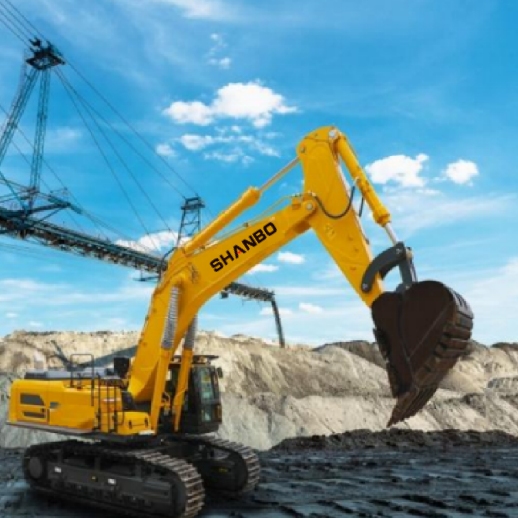
دليل شامل لشحن معدات البناء: الطرق، التكاليف، والنصائح
يشكل نقل معدات البناء خطوة حاسمة بالنسبة للمقاولين والشركات المصنعة ومديري المشاريع الذين يحتاجون إلى نقل الآلات الثقيلة بأمان وكفاءة. سواء كانت حفارات أو جرارات أو رافعات أو معدات بناء متخصصة، فإن اختيار وسيلة النقل المناسبة يمكن أن يقلل من المخاطر ويوفّر التكاليف ويكفل التسليم في الوقت المحدد. يقدم هذا الدليل نظرة شاملة حول أكثر وسائل النقل شيوعًا، والعوامل المؤثرة في التكاليف، والنصح المتخصص الذي يساعدك على تبسيط العملية بأكملها.
الطرق الشائعة لشحن معدات البناء
نظراً للتفاوت الكبير في الحجم والوزن ومتطلبات التشغيل الخاصة بالآلات الإنشائية، يجب اعتماد طرق نقل مختلفة وفقًا لنوع الماكينة ووجهتها.
1. شحن المعدات باستخدام شاحنات الصهاريج المسطحة
تُعد المقطورات المسطحة الطريقة الأكثر شيوعًا لنقل الآلات الإنشائية ذات الأحجام القياسية مثل رافعات التحميل ذات الدوران، والرافعات الشوكية والحفارات الصغيرة، وهي ملائمة للتحميل والتفريغ وتتميز بتوفرها الواسع. وتنطبق على المعدات متوسطة إلى كبيرة الحجم التي لا تتجاوز الارتفاع والوزن القياسي.
2. مقطورات الدرجات أو المقطورات المزدوجة الانخفاض
عندما تكون المعدات عالية جدًا، توفر مقطورات الدرجات أو المقطورات المزدوجة الانخفاض ارتفاعًا أكبر عن الأرض وهياكل مستقرة، وهي مناسبة للجرارات الزاحفة، والحفارات الكبيرة، ماكينات البAVING الكبيرة أو الرافعات، مع تقليل الحاجة إلى تصاريح النقل العالية جدًا.
3. مقطورات RGN (عنق قابل للإزالة)
تُعد مقطورات RGN مناسبة للمعدات الثقيلة جدًا أو الضخمة. ويُمكن فصل الجزء الأمامي منها للسماح بالدخول المباشر. وتتمتع بقدرة تحمل عالية جدًا ويمكنها نقل المعدات العريضة أو العالية أو الثقيلة بأمان، مثل الرافعات الصناعية والرافعات الكبيرة.
4. الشحن عبر الحاويات (للنقل الدولي)
يمكن تحميل المعدات الأصغر أو القابلة للفك في حاويات بطول 20 أو 40 قدمًا، وهي اقتصادية وتحمي المعدات من التلف الناتج عن العوامل الجوية والمناورة. وهي مناسبة للنقل العابر للحدود للمعدات الصغيرة، وقطع الغيار، والمكونات المفككة.
5. الشحن بالتحميل والتفريغ المتحرك (RoRo)
يناسب النقل بالتحميل والتفريغ المتحرك (RoRo) المعدات التي يمكن دفعها أو سحبها أو قيادتها مباشرة إلى السفن دون الحاجة إلى فكها. وهو سريع وفعال في عمليات التحميل والتفريغ، ويناسب بشكل خاص النقل الدولي للمعدات القابلة للقيادة مثل الجرارات، والبكرات، والرافعات الشوكية الكبيرة.
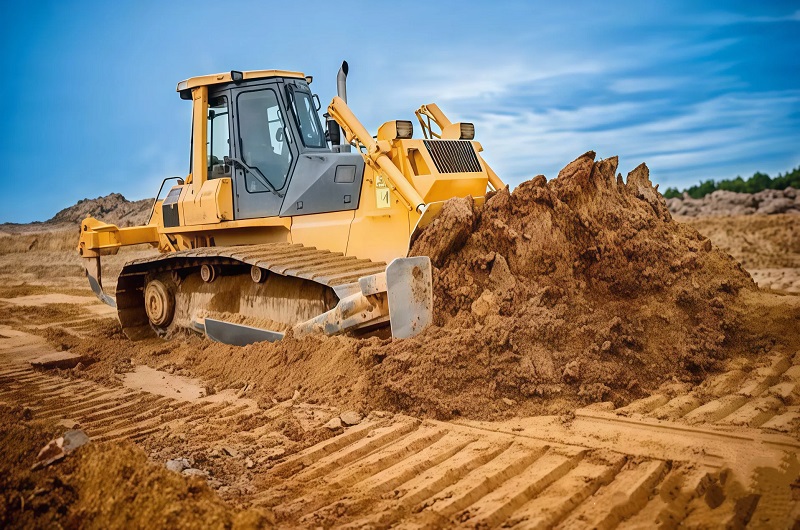
العوامل المؤثرة في تكاليف شحن معدات البناء
تختلف تكلفة نقل آلات البناء عادةً بشكل كبير بسبب نوع المعدات، ومسافة النقل، والقيود المتعلقة بالطرق، وتفاصيل اللوجستيات. وتساعد معرفة هذه العوامل المؤثرة في التكلفة الشركات على وضع خطط ميزانية أكثر دقة واختيار حلول النقل الأكثر اقتصاداً وكفاءة. فيما يلي العوامل الرئيسية التي تؤثر على تكلفة نقل معدات البناء:
1. الحجم والوزن
كلما زاد حجم ومعدات البناء، زادت متطلبات أدوات النقل. وعادةً ما تتطلب المعدات الإضافية العريضة أو العالية أو الثقيلة استخدام مقطورات متخصصة والتقدم بطلب للحصول على تصريح نقل حمولة زائدة عن الحدود المسموحة، مما يؤدي إلى زيادة كبيرة في تكاليف النقل. ولذلك تكون تكلفة نقل المعدات الكبيرة أعلى من تكلفة نقل المعدات ذات الأحجام القياسية.
2. مسافة الشحن
كلما زادت مسافة النقل، ارتفعت تكلفة الوقود، وتكاليف العمالة، واستهلاك المركبة، ورسوم الطرق. كما أن النقل الدولي يتضمن تكاليف إضافية مثل رسوم الموانئ، ورسوم التخليص الجمركي، والرسوم التعريفة. لذلك، كلما كانت المسافة أطول، زادت التكلفة الإجمالية للنقل.
3. متطلبات المسار والتراخيص
إذا تجاوز المعدات الحدود التنظيمية المحلية، يجب التقدم بطلب للحصول على ترخيص لحمل حمولة كبيرة الحجم أو زائدة الوزن، وقد يُطلب استخدام مركبة مرافقة. وفي بعض المناطق، توجد قيود على أوقات النقل، مما قد يؤدي إلى تعديل مسارات النقل. وكل هذه العوامل تؤدي إلى زيادة كبيرة في تكاليف النقل.
4. متطلبات التحميل والتفريغ
سوف يؤثر ما إذا كانت المعدات قابلة للتحميل والتفريغ ذاتيًا على التكلفة. إذا احتاج الأمر إلى رافعات شوكية أو رافعات أو فرق تحميل وتفريغ متخصصة، فسوف يزيد ذلك من تكاليف العمالة والمعدات. وكلما كان بيئة التحميل والتفريغ أكثر تعقيدًا، زادت تكلفة النقل.
5. التغطية التأمينية
نظرًا للقيمة العالية لآلات البناء ومخاطر التلف أثناء النقل، فإنه من الضروري شراء تأمين نقل. وتعتمد تكلفة التأمين على قيمة المعدات ومستوى مخاطر النقل. فكلما زادت القيمة وزادت المخاطر، زادت تكلفة التأمين.
6. الحساسية الزمنية
تتطلب عمليات النقل العاجلة أو الطلبات المستعجلة توجيه أولوية لنشر المركبات والموظفين، وعادةً ما تكون أكثر تكلفة. وقد يتطلب الشحن السريع الدولي اختيار خدمات أسرع، مما يزيد التكاليف بشكل أكبر.
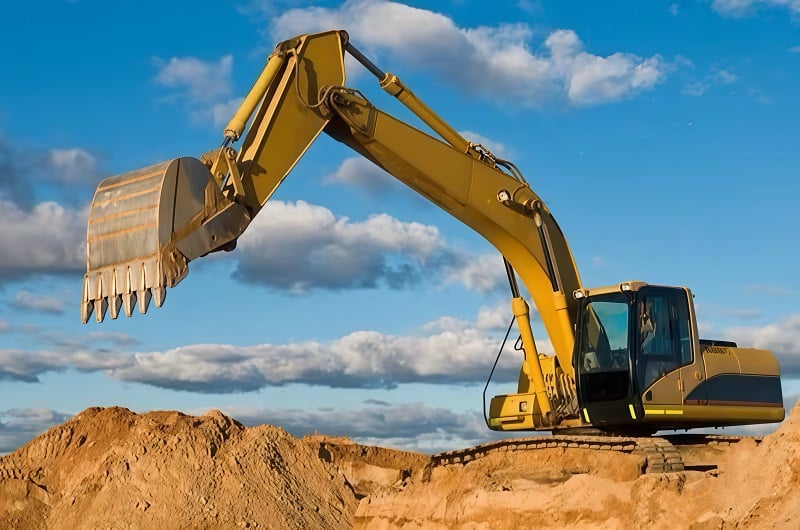
نصائح لإرسال معدات البناء بأمان وكفاءة
ينطوي نقل آلات البناء على تخطيط وتشغيل معقدَين. ولا يمكن إتمام النقل بشكل آمن وكفء إلا من خلال الإعداد الكافي.
1. تقديم تفاصيل دقيقة عن المعدات
إن توفير الأبعاد الدقيقة والوزن والنوع التعليمات الخاصة بالتعامل مع المعدات قبل طلب عرض أسعار للنقل يساعد الناقل على اختيار نوع المقطورة الصحيح ووضع خطة نقل معقولة. وكلما كانت المعلومات أكثر اكتمالاً، كان عملية النقل أكثر سلاسة، كما يمكنها تجنب التأخير أو التكاليف الإضافية الناتجة عن بيانات معدات غير دقيقة بشكل فعال.
2. فحص المعدات وإعدادها
يمكن أن يقلل فحص المعدات وإعدادها قبل الشحن من مخاطر النقل. ويشمل ذلك إزالة الملحقات القابلة للفصل، وتثبيت الأجزاء المترهلة، والتحقق من مستوى السوائل وتصريفها عند الضرورة، وفصل البطارية أثناء النقل لمسافات طويلة، وتنظيف المعدات لتلبية متطلبات الجمارك. ويحمي الإعداد الجيد ليس فقط المعدات نفسها، بل يضمن أيضًا مرورها بسلاسة عبر عمليات التحميل والتفريغ والتفتيش.
3. تأمين تأمين مناسب
عند نقل آلات البناء، من الضروري جدًا شراء تأمين بضائع مناسب لحماية المعدات من مخاطر التلف العرضي أو السرقة أو العوامل الجوية التي قد تحدث أثناء النقل. وعلى الرغم من أنه يتطلب تكاليف معينة، فإنه يمكن أن يقلل بشكل فعال من الخسائر المحتملة، وهو إجراء مهم لضمان سلامة الأصول.
4. اختيار شريك شحن معدات ذو سمعة طيبة
يمكن أن يؤدي اختيار شركة نقل متخصصة وذات خبرة إلى تحسين الكفاءة والسلامة في عمليات النقل بشكل كبير. يجب أن يكون شريك الخدمات اللوجستية الموثوق على دراية بالآلات الثقيلة، ويقدم مجموعة متنوعة من خيارات المقطورات، ويكون قادرًا على التعامل مع طلبات التراخيص والتخطيط للطرق، كما يجب أن يكون مجهزًا بسائقين محترفين. إن التعاون مع فريق متخصص يمكن أن يقلل من أخطاء النقل والمخاطر المحتملة.
5. خطط مسبقًا للحمولات الكبيرة
بالنسبة للمعدات الكبيرة أو الزائدة الوزن، من الضروري وضع خطة نقل مسبقة. عادةً ما تتطلب هذا النوع من عمليات النقل مركبات مرافقة، ومسوحات طريق مفصلة، والامتثال لقيود زمنية محددة. يساعد الإعداد المسبق في تجنب التأخير الناتج عن المشكلات المتعلقة بالامتثال أو الجدولة، مما يضمن سير المشروع بسلاسة.
الخاتمة
قد تبدو عملية نقل آلات البناء معقدة، ولكن اختيار وسيلة النقل المناسبة، وفهم عوامل التكلفة، واتباع الخطوات التحضيرية الصحيحة يمكن أن يضمن عملية نقل سلسة وآمنة.
 أخبار عاجلة
-
لودر حفار شانتوي بي إل ٧٥ – عرض تصفية خاص: آلة بناء متعددة الاستخدامات «جاهزة للاستخدام» متوفرة الآن
2026-10-15
-
حفار شانبو SH380 من النوع الزاحف، عالي الأداء للاستخدام في عمليات التعدين — مزود بمحرك كامينز لضمان أداءٍ مستقرٍ وعالي الكفاءة
2026-10-15
-
إطلاق حمّال كهربائي شانبو EW50: شحن سريع ثنائي البندقية ومدى تشغيل طويل
2026-10-15
-
مقدمة إلى جرّافة الحفّار: ما هي؟ نظرة عامة على الآلة متعددة الوظائف
2026-10-06
-
سيناريوهات التشغيل وتطبيقات حفّار الـ٣٨ طن | حفّار شانبو الكبير لمشاريع التعدين وتشييد البنية التحتية
2026-10-06
-
ماكينة تحميل كهربائية شانبو EW30 — ماكينة تحميل عجلاتية بسعة ٣ أطنان تعمل بالليثيوم — ماكينة تحميل خالية من الانبعاثات للاستخدام في المناجم ومواقع البناء
2026-09-24