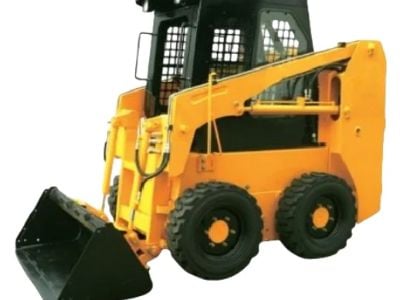
Choosing the right bucket loader for earthmoving projects can significantly impact the efficiency and success of your operations. With various models and specifications available, it’s essential for purchasing managers, engineers and project managers to understand the factors that contribute to choosing the most suitable loader. This article will help you navigate the complexities of selecting a bucket loader, focusing on quality evaluation, application scenarios, purchasing expectations, best practices and critical considerations for buyers.
How to Evaluate the Quality of Bucket Loaders for Your Projects?
When assessing the quality of bucket loaders, consider several key specifications that directly influence performance and durability. Begin with the loader's lift capacity, which should meet the demands of your specific earthmoving tasks. Next, evaluate the material used in the bucket's construction; high-grade steel or reinforced composites offer better resistance against wear and tear, extending the machine's lifespan.
Another important aspect is the loader's hydraulic system. A robust hydraulic system ensures better lifting efficiency and responsiveness, which is crucial for heavy-duty applications. Additionally, inspect the loader's manufacturing process and quality control measures. High-quality manufacturers typically adhere to rigorous standards and certifications, ensuring that their products meet industry benchmarks.
Lastly, consider the after-sales support and service offered by the manufacturer. A company that provides comprehensive lifecycle services, such as Shanbo, ensures that any maintenance or operational issues can be promptly addressed, contributing to the loader's overall performance and longevity.
Top Application Scenarios for Bucket Loaders in Earthmoving
Bucket loaders are versatile machines widely used in various earthmoving applications. Here are some of the most common scenarios:
Construction Sites: Bucket loaders excel at moving large volumes of dirt, gravel, and debris, making them indispensable on construction sites for site preparation and material handling.
Landscaping Projects: For landscaping, bucket loaders are used to transport soil, mulch, and other materials. Their maneuverability allows them to operate in tighter spaces, ensuring efficient work in residential and commercial landscaping.
Quarry Operations: In quarry settings, bucket loaders are essential for loading materials onto trucks or conveyors. Their high lift capacities and powerful hydraulics make them suitable for handling heavy aggregates.
Road Maintenance: construction equipment play a crucial role in road maintenance by moving materials for repairs, snow removal, and grading surfaces. Their versatility allows for quick adjustments based on project needs.
Agricultural Use: In agriculture, bucket loaders are used to lift and transport feed, fertilizers, and soil. Their ability to adapt to various attachments makes them valuable tools for farm operations.
Understanding these application scenarios will help you select a loader that aligns with your project requirements and operational goals.
What to Expect When Purchasing Bucket Loaders?
When preparing to purchase a bucket loader, be ready to provide detailed information to the manufacturer, which can facilitate a more accurate quote. Key details include the intended application, required lift capacity, and any specific customization needs. It's also advisable to inquire about the manufacturer’s minimum order quantities (MOQs) and lead times, as these factors can significantly affect your project timeline.
Before finalizing your order, request a sample or a demonstration of the loader. This step allows you to assess the machine's performance under conditions similar to those it will face in your operations. Ensure to check for compatibility with existing equipment, as not all models may integrate seamlessly with your current fleet.
Lastly, confirm warranty terms and after-sales support. A reliable manufacturer should offer comprehensive service options, including maintenance and parts availability, which are crucial for minimizing downtime during your projects.
Best Practices
To ensure a successful purchase and operation of bucket loaders, adhere to the following best practices:
Conduct Thorough Research: Investigate multiple suppliers, comparing specifications, pricing, and customer reviews. This step will provide insights into the reliability and performance of different models.
Assess Your Needs: Clearly define your project requirements, including the types of materials being handled, terrain conditions, and expected load capacities. This clarity will guide you in selecting the most suitable loader.
Evaluate Customization Options: Many manufacturers offer customization capabilities. Consider whether specialized attachments or modifications are needed to enhance performance for your specific applications.
Plan for Maintenance: Factor in regular maintenance as part of your operational costs. Establish a maintenance schedule based on the manufacturer’s recommendations to keep the construction machinery in optimal condition.
Engage with Experienced Suppliers: Working with knowledgeable suppliers, like Shanbo, who understand the nuances of bucket loader applications and can provide tailored advice, can lead to better purchasing decisions.
What Buyers Need to Know?
For a successful purchase of bucket loaders, buyers should be aware of several critical considerations:
Specifications Confirmation: Always confirm specifications with your supplier before placing an order. Discuss factors such as bucket size, hydraulic capacity, and weight limits to ensure they meet your project needs.
Performance Testing: If possible, request a trial period or a test of the Bulldozer in action. Observing the loader’s performance firsthand provides valuable insights into its capabilities and limitations.
Cost Considerations: Understand that the lowest price does not always equate to the best value. Consider the total cost of ownership, including maintenance, fuel efficiency, and resale value, when evaluating pricing.
Documentation and Compliance: Verify that all necessary documentation, certifications, and compliance information are provided with your equipment. This is essential for regulatory adherence and can affect operational efficiency.
Supplier Relationships: Building a strong relationship with your supplier can lead to better service and support. A supplier who understands your business can provide valuable insights and assistance throughout the lifecycle of your equipment.
By addressing these considerations, you prepare yourself for a more informed and effective purchasing process, ensuring that you select the right bucket loader for your earthmoving projects.
