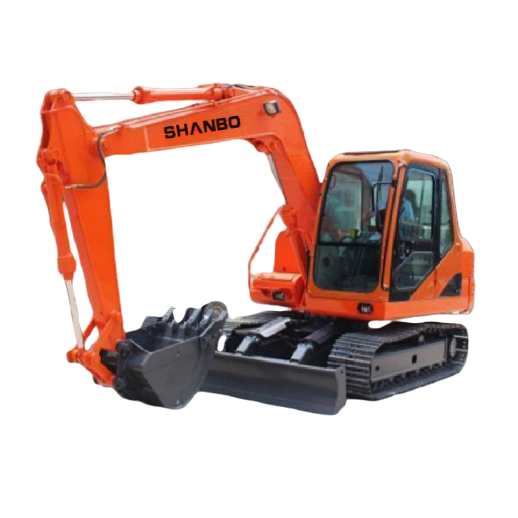
Working on a job site with earth excavators can be exciting, but it’s also important to stay safe. Safety is everyone's job, from the person operating the excavator to the workers nearby. At Shanbo, we know that following safety practices can help prevent accidents and keep everyone safe. Whether you are digging a trench, moving dirt, or leveling ground, knowing the right steps to take can make a big difference. This article will give some tips on how to stay safe when using earth excavators and how to find the best safety guidelines for your team.
Understanding Earth Excavator Safety Best Practices for Wholesale Buyers
For wholesale buyers, understanding safety best practices is crucial. When purchasing earth excavators, you want to ensure that they come with proper safety features and guidelines. It's important to check if the excavators have safety equipment like seat belts, alarms, and lights. These features help protect the operator and others on the job site. Training is another key part of safety. Make sure that everyone who will use the construction equipment excavator knows how to operate it safely. This includes understanding controls, knowing how to check for problems before starting, and being aware of the surroundings. It's also vital to have a clear plan for how to work together as a team. For instance, if someone is digging, others should stay at a safe distance and watch for signals. Communication is key; using hand signals or radios can help everyone stay informed about what’s happening. Also, having a first-aid kit on site is a good idea, just in case someone gets hurt. Safety isn’t just about following rules; it’s about creating a culture where everyone looks out for one another. At Shanbo, we believe that safety comes first, and every worker should feel responsible for keeping the job site safe.
Where to Find Reliable Earth Excavator Safety Guidelines for Your Team
Finding good safety guidelines is important for keeping everyone safe on the job site. One of the best places to start is through manufacturers like Shanbo. They often provide manuals and safety guides with their equipment. These guides are made to help operators understand how to use the excavators correctly and safely. Another resource is industry safety organizations. Many of these groups have websites that offer free materials, including safety checklists and training videos. These can be very helpful for teams that need to learn about excavator safety. It’s also a good idea to have regular safety meetings. During these meetings, teams can discuss any safety concerns and go over the safety practices that everyone should follow. This is a great way to keep safety fresh in everyone’s minds. Additionally, local community colleges or trade schools may offer courses on heavy equipment operation. These classes can teach valuable skills and safety practices. Lastly, don’t forget the importance of feedback. Encouraging team members to share their thoughts on safety can lead to better practices and ideas. Keeping safety at the forefront ensures that everyone goes home safe at the end of the day.
How to Implement Effective Safety Training for Earth Excavator Operators
When it comes to safely using an earth excavator, training is very important. At Shanbo, we believe that good safety training starts with teaching operators the basics of how to use the machine. First, new operators should learn about the different parts of the excavator. This includes understanding the controls, the boom, the arm, and the bucket. Knowing how each part works helps operators feel more confident when they are on the job site. Next, it is important to show them how to operate the excavator safely. This means teaching them how to move the machine, dig, and lift materials without causing accidents. Operators should practice these skills in a safe area before they start working on real projects.
Another important part of training is teaching operators about the dangers they might face. For instance, they need to be aware of nearby workers, overhead power lines, and unstable ground. Operators should also learn how to keep a safe distance from other machines and people. Having a safety plan is essential. This plan should include steps to take in case of an emergency. Regular safety meetings can help keep everyone informed and remind them of the rules. Shanbo encourages operators to ask questions and share their experiences, as this helps everyone learn from each other. Finally, after the training is done, operators should continue to practice their skills and stay updated on safety best practices. This ongoing training helps them stay safe and work efficiently.
What Safety Gear is Essential for Earth Excavator Operators on Job Sites?
Wearing the right safety gear is very important for earth excavator operators. At Shanbo, we know that proper gear can help protect workers from injuries. First, every operator should wear a hard hat. This is to protect their head from falling objects, especially on busy job sites. Next, safety glasses are crucial. They protect the eyes from dust, debris, or anything that might fly up while the construction machinery products is working. Wearing protective gloves is also a good idea. These gloves help keep hands safe from cuts and scrapes while handling materials or working with the machine.
In addition to these items, operators should wear high-visibility vests. These vests make them easier to see, especially in areas where other machines and workers are present. This is very important to avoid accidents. Sturdy steel-toed boots are another essential part of safety gear. These boots protect the feet from heavy materials that might fall or roll. Finally, operators should consider ear protection. Excavators can be very loud, and wearing earplugs or earmuffs can help prevent hearing loss. It is important that all operators check their gear before starting work each day to make sure it is in good condition. At Shanbo, we stress that safety gear is not just a choice; it is a requirement for everyone on the job site.
How Earth Excavator Maintenance Can Enhance Safety and Efficiency
Regular maintenance of earth excavators is crucial for both safety and efficiency. At Shanbo, we understand that a well-maintained machine is less likely to break down and cause accidents. First, operators should check the excavator before each use. This includes looking at the engine, checking the hydraulic fluids, and examining the tracks or wheels. If there are any leaks or unusual noises, the operator should report them immediately. Regular inspections help catch problems before they become serious.
Another important part of maintenance is keeping the excavator clean. Dirt and debris can build up on the machine, making it harder to operate. Cleaning the excavator helps ensure that all parts are working properly and can help prevent accidents. Additionally, it is important to follow the manufacturer’s maintenance schedule for the excavator construction machinery. This includes changing the oil, replacing filters, and checking the hydraulic system. Keeping up with these tasks can greatly enhance the machine's performance and safety.
Training operators to perform basic maintenance tasks is also beneficial. When operators know how to take care of their machines, they are more likely to notice when something is wrong. Shanbo encourages a culture of safety, where everyone feels responsible for the equipment they use. Regular maintenance not only helps keep the operators safe but also improves efficiency. A well-running excavator can complete tasks faster and with less fuel, saving time and money. maintenance is key to ensuring that earth excavators are safe and efficient on the job site.
Table of Contents
- Understanding Earth Excavator Safety Best Practices for Wholesale Buyers
- Where to Find Reliable Earth Excavator Safety Guidelines for Your Team
- How to Implement Effective Safety Training for Earth Excavator Operators
- What Safety Gear is Essential for Earth Excavator Operators on Job Sites?
- How Earth Excavator Maintenance Can Enhance Safety and Efficiency
