Loader Applications Across Diverse Operating Conditions: A Comprehensive Guide to Real-World Use Cases for Every Operational Need
As a core piece of equipment for the transport, loading, and unloading of construction materials, loaders are widely deployed in a variety of complex operating environments, valued for their high maneuverability and efficient loading capabilities. When selecting a loader, customers’ primary concern is often whether the machine is well-suited to their specific site conditions and operational requirements. We have compiled a range of real-world loader application scenarios covering major industry sectors, helping customers quickly evaluate their own project needs, select the right model, and effectively address operational challenges.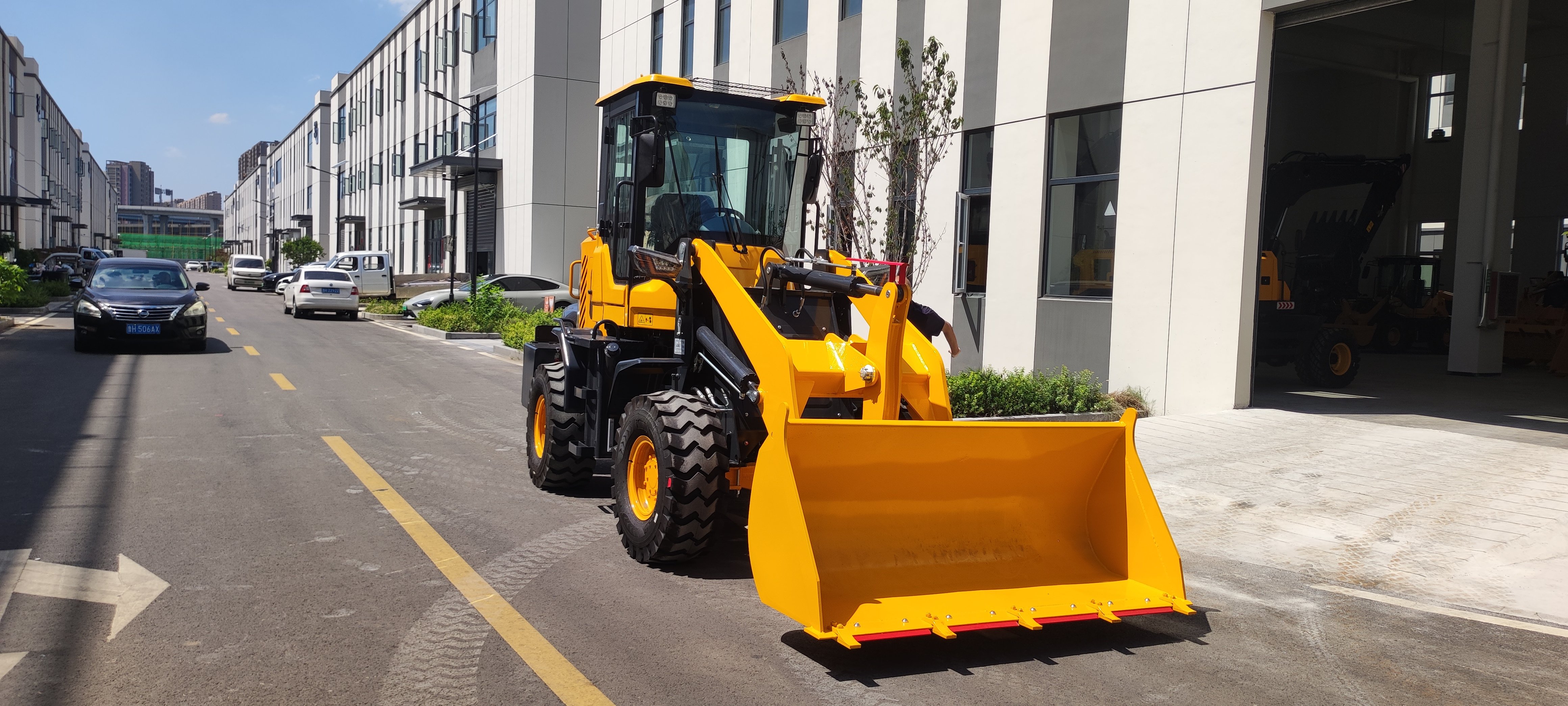
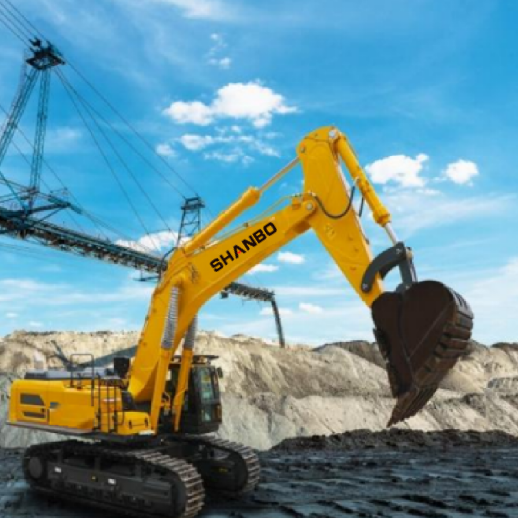
Mining Operations: Heavy-Duty Loading, Unloading, and Short-Haul Transport
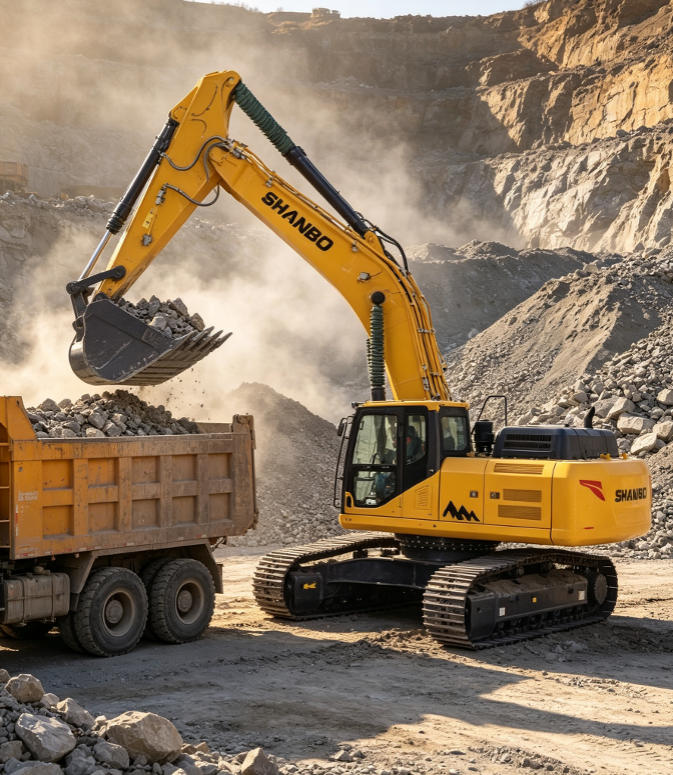
Mining is one of the most demanding environments for loaders, characterized by high dust levels, dense materials, and intense load stress. In these settings, loaders are primarily tasked with loading ore and debris, managing stockpiles, and handling short-distance transport within the mining site. For mining applications, equipment must feature robust power, wear-resistant buckets, and a reliable chassis structure. This ensures consistent, stable performance under heavy loads, minimizes downtime for repairs, and meets the requirements for high-volume, continuous operations.
Infrastructure and Construction Sites: Earthmoving and Site Leveling
On highway, building, and municipal infrastructure sites, loaders serve a wide range of functions—from backfilling earth and handling sand or gravel to clearing construction waste and leveling the ground. Construction sites often involve soft, uneven terrain and mixed materials; the high maneuverability of a loader allows it to navigate tight workspaces. By working in tandem with excavators and dump trucks, loaders help accelerate project timelines and resolve bottlenecks in material handling and site logistics.
Grain Depots and Agricultural Yards: Handling and Storing Bulk Grain and Feed
Grain reserves, farms, and feed processing plants represent environments where "light" materials are handled. Here, wheel loaders are used for tasks such as stacking, relocating, and loading bulk materials—including wheat, corn, straw, and animal feed. These operations require equipment with excellent sealing and dust-proofing capabilities, as well as smooth, precise control to prevent material damage or spillage, ensuring that agricultural clients can efficiently manage the large-scale intake and dispatch of grain.
Sand and Gravel Yards: Loading, Stacking, and Sorting Aggregates
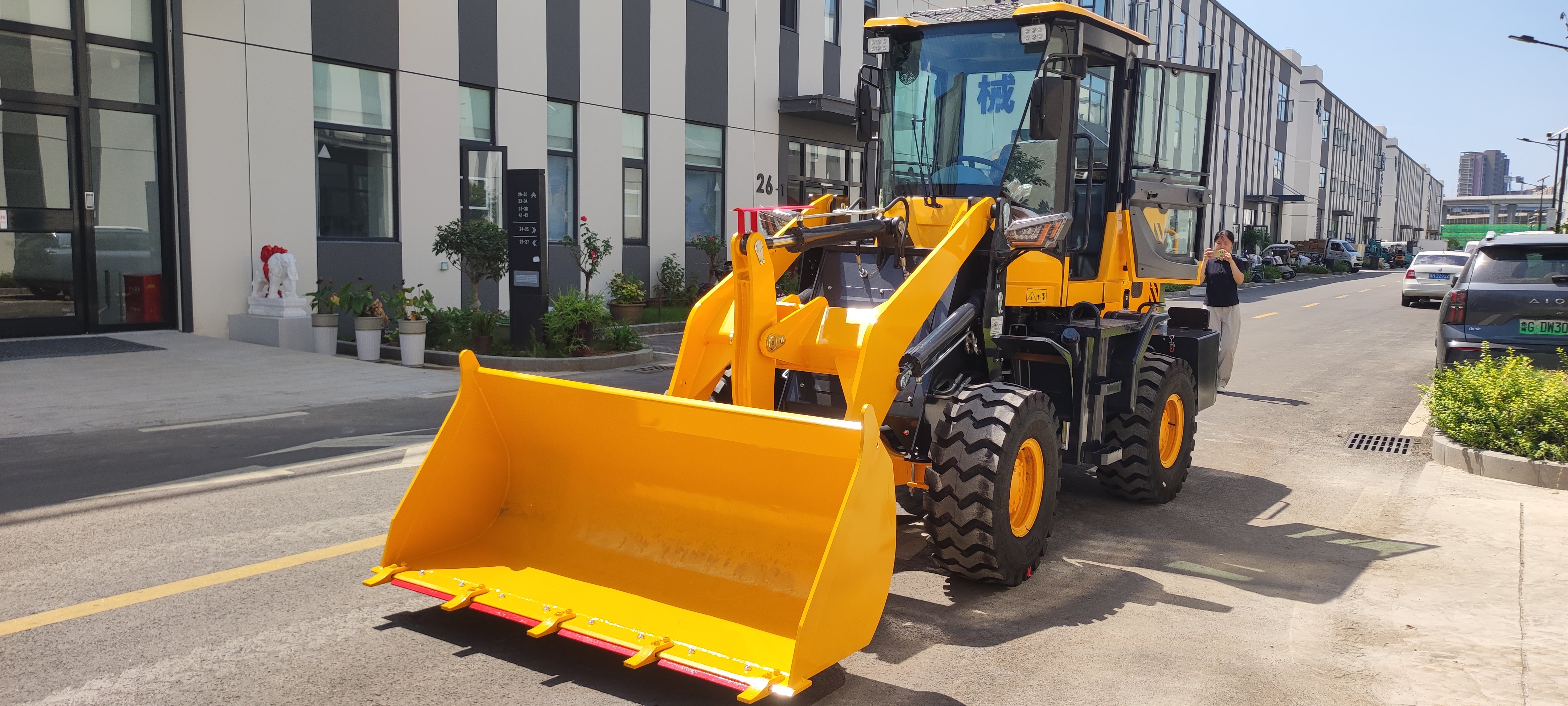
In sand and gravel processing plants and storage yards, wheel loaders are tasked with feeding raw materials, stacking finished aggregates, and organizing the yard. Given the high hardness and abrasive nature of these materials—combined with the demands of continuous, repetitive operation—loaders used in these settings are equipped with reinforced working attachments. This enhances wear resistance, ensures uninterrupted production, and addresses challenges related to insufficient loading and unloading efficiency.
Sanitation and Recyclable Resources: Waste and Solid Waste Management
Waste transfer stations, construction waste recycling facilities, and resource recovery parks are also key operational environments for wheel loaders. They are used to collect and transport municipal waste, construction debris, and recyclable solid waste. Because the materials in these settings are often mixed and disorganized, the equipment must offer excellent operator visibility and ease of maintenance. Wheel loaders enable the rapid consolidation of scattered materials, reducing the need for manual labor and supporting the efficient operation of solid waste recycling and resource recovery projects.
Ports and Freight Yards: Rapid Bulk Cargo Handling
At inland river terminals and freight yards, wheel loaders are responsible for loading, unloading, and stacking materials such as coal, mineral powder, and bagged goods. These expansive sites often involve high-intensity, concentrated workloads. Highly stable loaders with long-endurance capabilities can operate continuously for extended periods, integrating seamlessly into terminal handling workflows. This reduces wait times for vessels and trucks, effectively meeting the high-volume bulk cargo turnover requirements of freight yard operators.
Tailored Machine Selection to Precisely Meet Operational Needs
Different loader application scenarios require specific machine configurations, bucket selections, and power options. A larger machine is not necessarily the best fit for every job site; for instance, lower-tonnage loaders offer greater maneuverability in confined areas like factory grounds or grain storage facilities, while high-tonnage models are better suited for heavy-duty operations in mines or quarries. Drawing on our extensive experience across diverse working environments, we provide expert guidance on machine selection—factoring in your specific material types, operational intensity, available space, and budget—to deliver a comprehensive, one-stop solution that ensures your loader performs reliably on-site.
If you have a specific operating environment and would like to explore the ideal loader configuration, please contact us. We can provide tailored machine recommendations, configuration references, and real-world operational case studies to help ensure the success and efficiency of your project.
Recommended Products
 Hot News
-
24-Ton Excavator: A Stable and Reliable One-Stop Solution for Infrastructure, Mining, and Material Handling
2026-10-27
-
Loader Applications Across Diverse Operating Conditions: A Comprehensive Guide to Real-World Use Cases for Every Operational Need
2026-10-27
-
Versatile 38-Ton Excavator: An Efficient Solution for Mining, Road Construction, and Earthmoving Challenges
2026-10-27
-
17-Ton Class Hydraulic Crawler Bulldozer | Versatile Blade Options for Mining, Infrastructure, and Earthmoving Projects
2026-10-27
-
Comprehensive Coverage of Bulldozer Applications: Tailored Selection for All Your Earthmoving Needs
2026-10-27
-
Shantui BL75-C SD Backhoe Loader – Special Clearance Sale
2026-10-23