From Kathmandu to the Factory Floor — An Excavator Purchase Tailored for Mountain Working Conditions
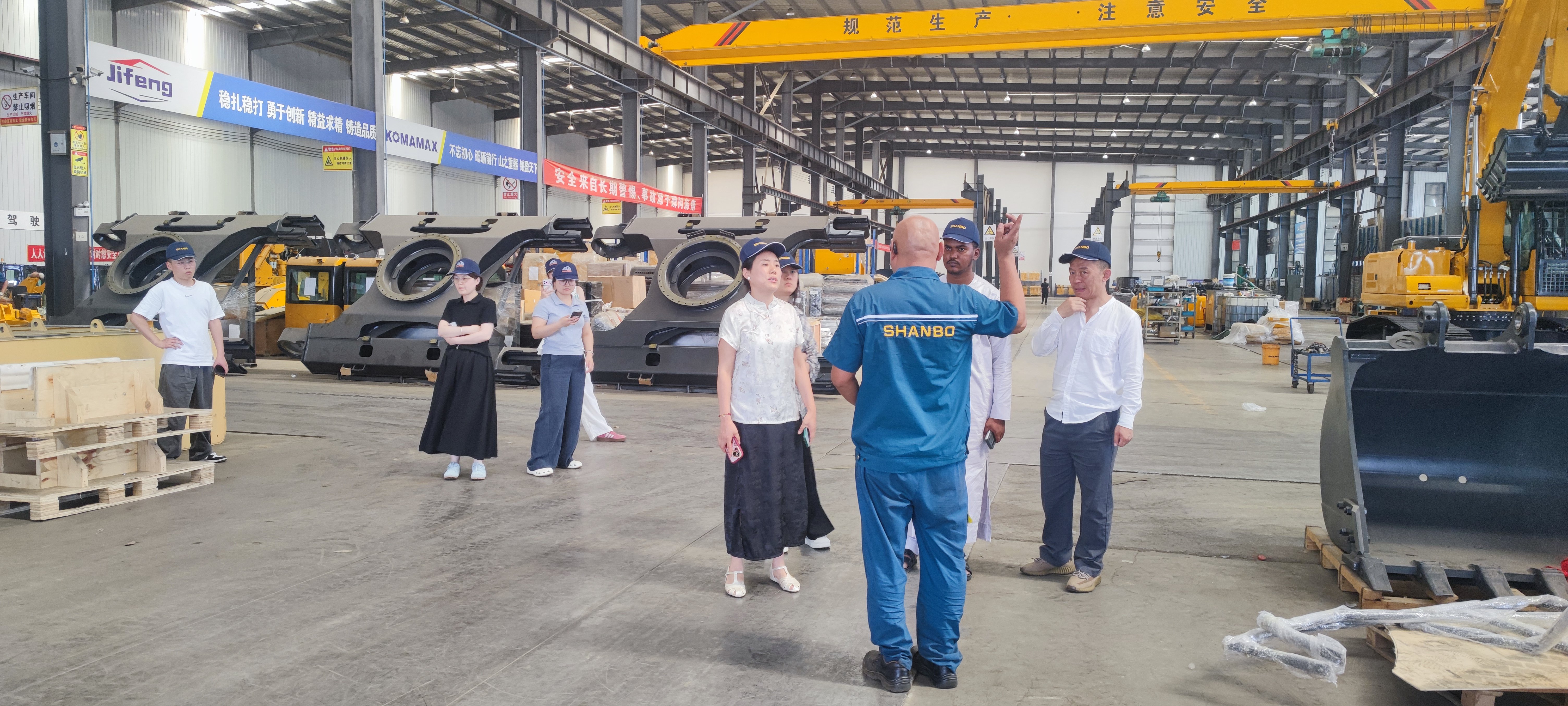
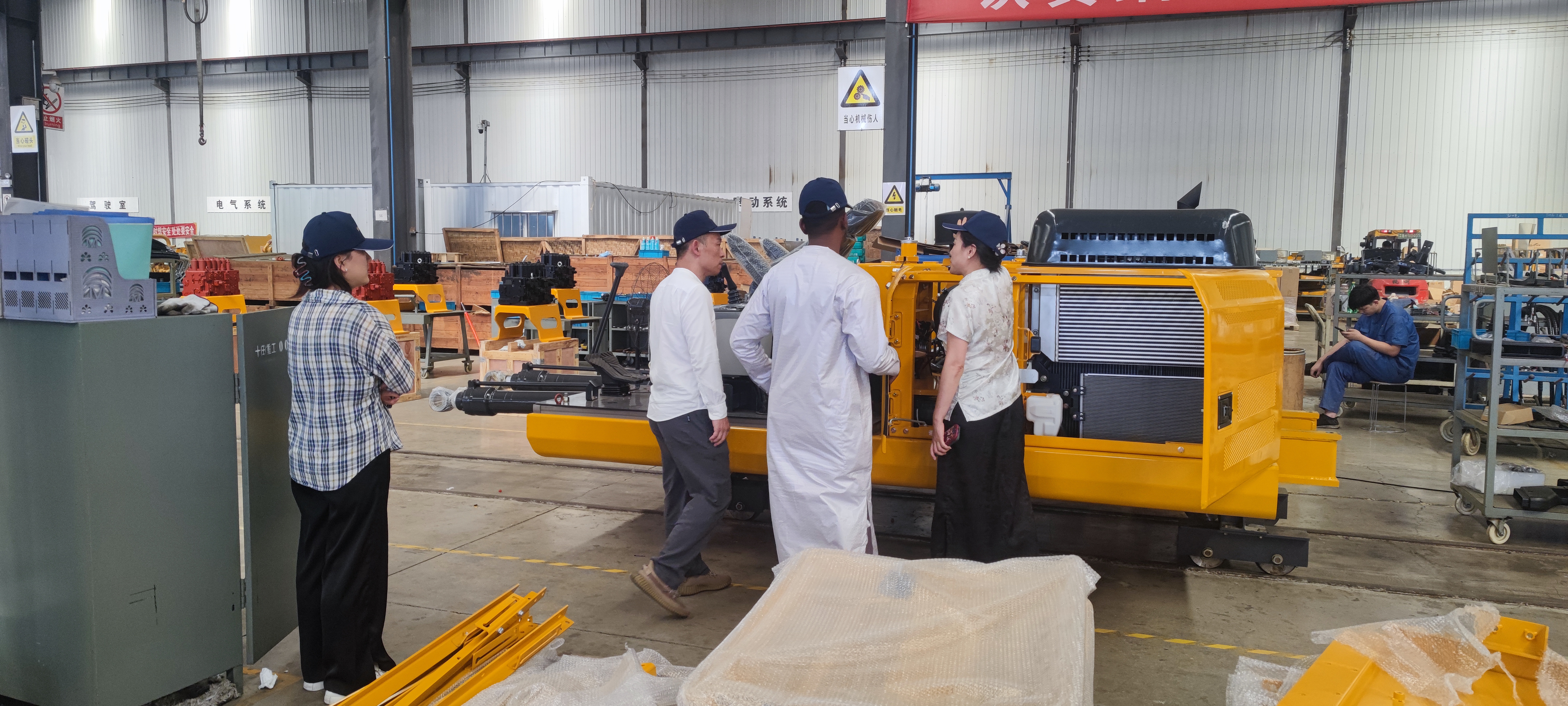
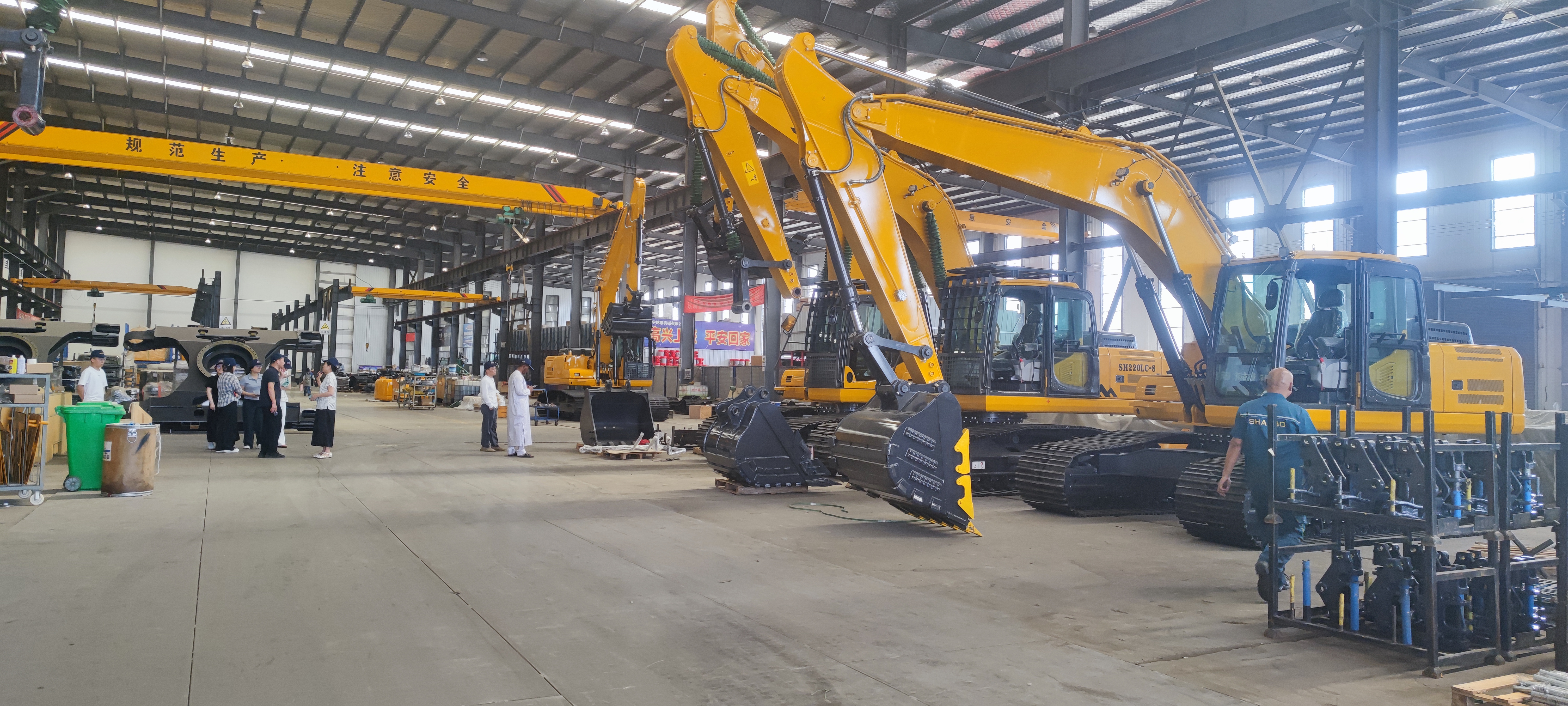
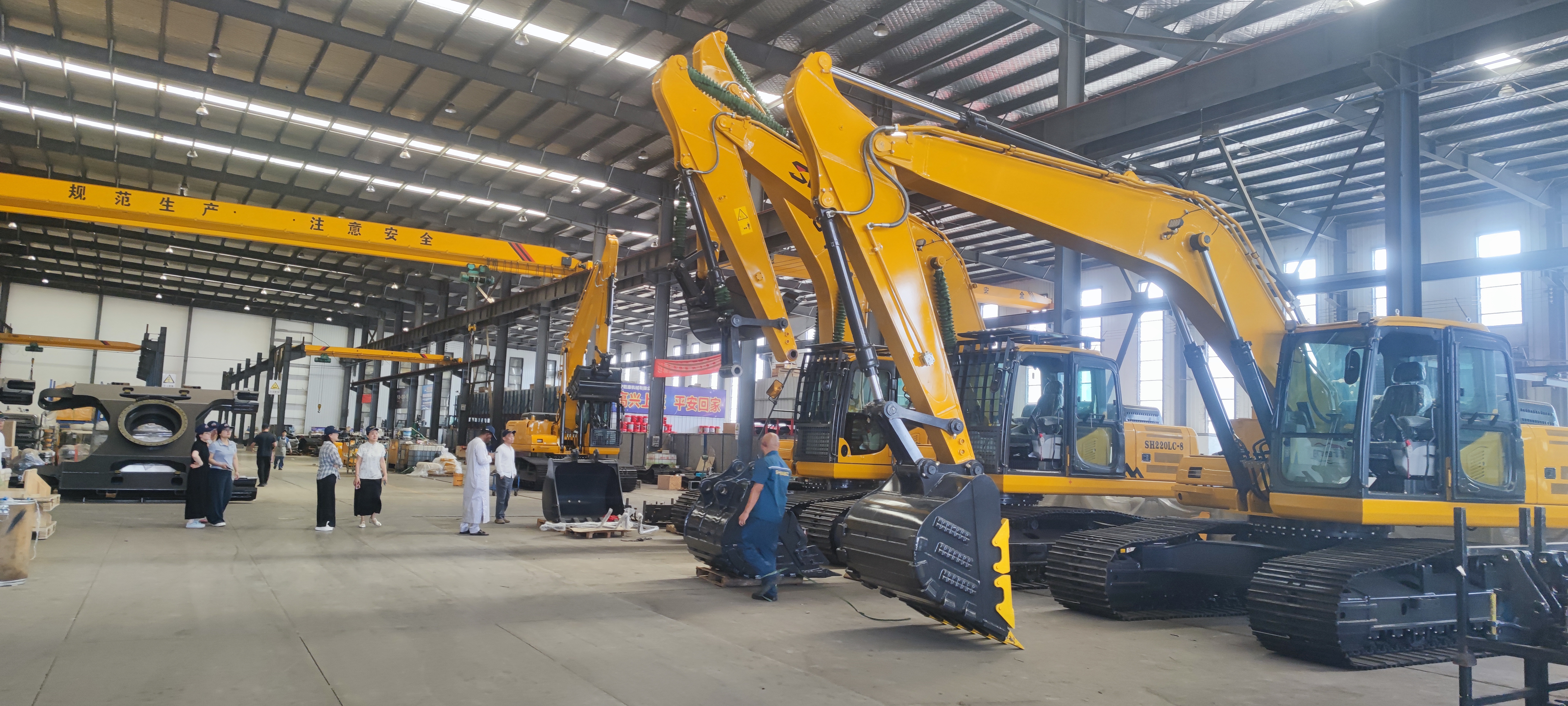
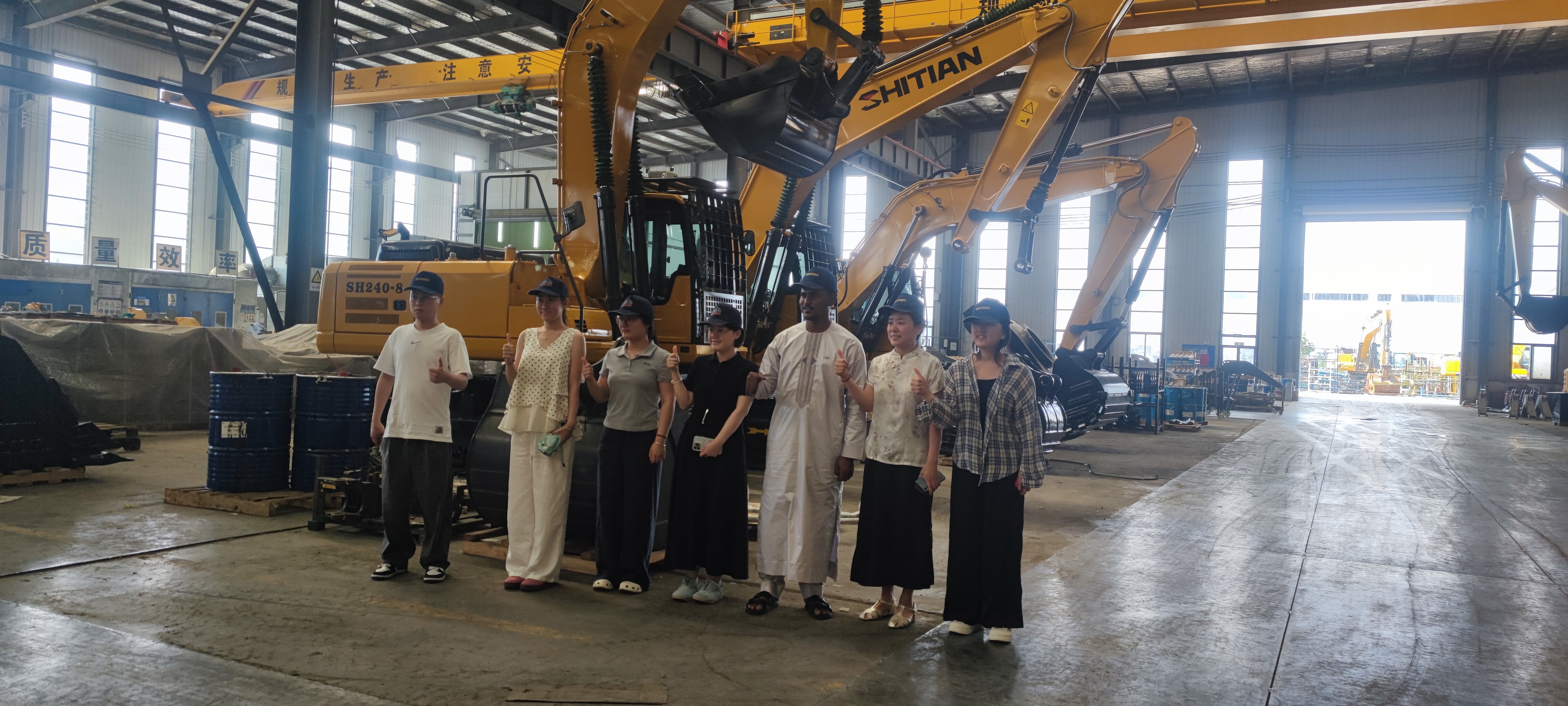
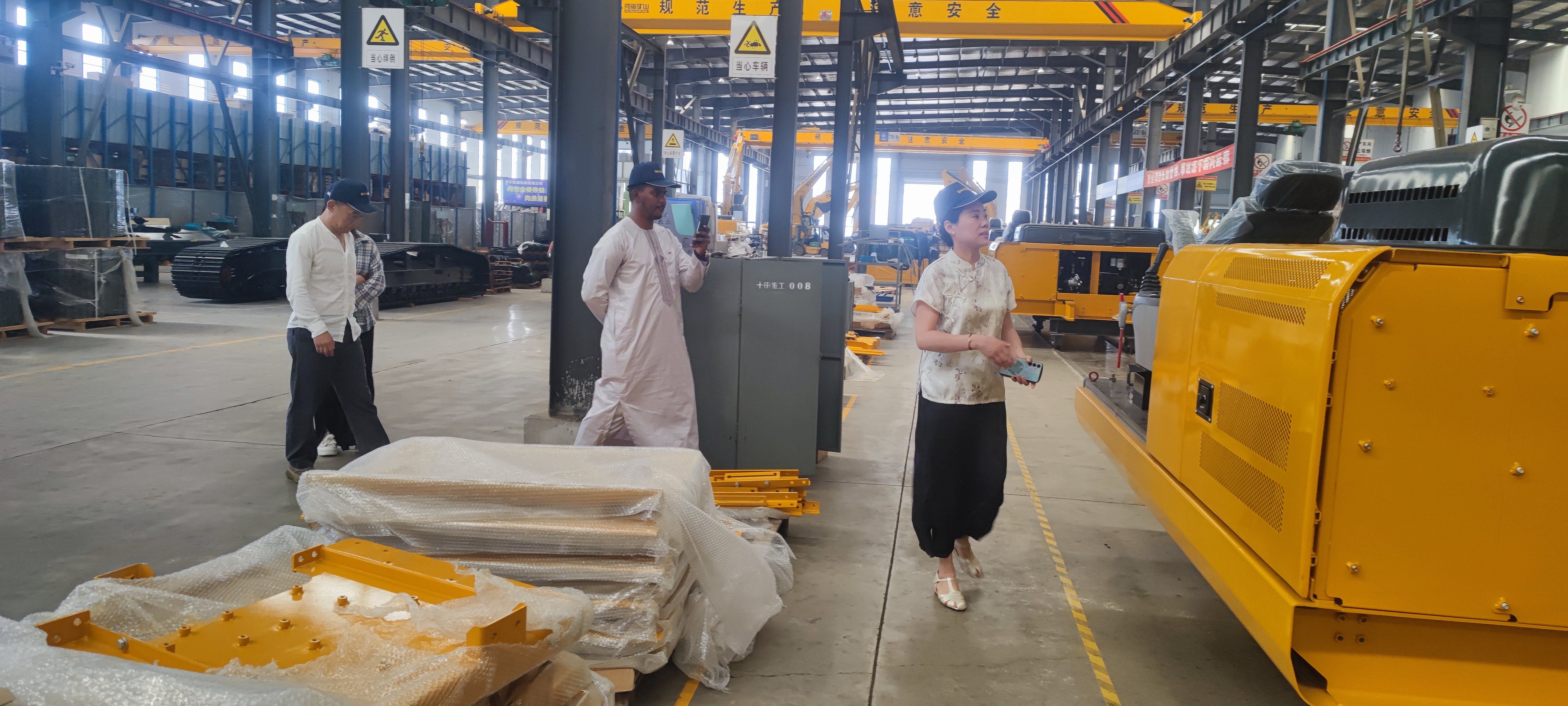
As their wheels rolled across the autumn roads of Shandong, the procurement team from Nepal stepped off the long journey with clear, unmet working condition demands, heading straight for the production workshop of the construction machinery source factory. This visit was no ordinary sample selection trip. The team brought with them real pain points accumulated over five years of construction in Nepal’s mountainous regions, traveling thousands of miles specifically to finalize a batch of excavators that can operate stably on steep slopes, gravel roads, and muddy hillsides during the rainy season.
During their on-site visit to the workshop, the client team did not stop at the parameter boards of display room prototypes first. Instead, they walked directly to the assembly stations under production, reached out to touch the welding texture of the boom, squatted down to check the thickened wear-resistant layer details of the track shoes, and repeatedly verified the layout of the hydraulic pipelines. They pointed to a unit undergoing load testing in the workshop and explained that in Nepal’s highway construction, landslide restoration, and hydropower station supporting projects, ordinary excavators often face boom cracking, rapid track wear, and obvious hydraulic power attenuation at high altitudes after only half a year of operation — these exact details were the core priorities of their entire visit.
The technical team accompanied the clients through the full production process, from structural part welding, hydraulic system calibration, full-machine load testing, to the 72-hour continuous simulated working condition test before delivery. Targeting the three core demands raised by the Nepal team — high-altitude power compensation, mountain operation stability, and flexibility for narrow-road transitions — the technical team adjusted the equipment configuration plan on site: matching the engine with a power calibration procedure adapted to high-altitude environments, strengthening the wear-resistant welding process for the boom and stick, and optimizing the overall counterweight proportion to ensure the machine maintains a stable working posture even on slopes over 30 degrees.
At the final signing and negotiation session, the client representative stated that in the past, they had purchased construction equipment from multiple countries, only to find the machines poorly adapted to local working conditions after delivery, with spare parts supply and technical support rarely keeping up with project schedules. Visiting the source factory in person this time, and witnessing the production and testing process of every single component, not only allowed them to adjust configurations according to their actual needs, but also confirmed that subsequent spare parts supply and remote technical guidance can fully match their project timelines. This batch of excavators will complete production, testing, customs declaration, and shipment within 30 days after the contract is signed, and be sent directly to multiple key infrastructure project sites across Nepal.
For countless overseas engineering contractors, choosing an excavator that fits local working conditions is never a simple purchase based only on paper parameters — it is a critical decision that affects construction efficiency, maintenance costs, and project progress for years to come. This visit and order from the Nepal client is a typical example of how overseas construction professionals are shifting from “buying a machine” to “choosing a full-process working condition adaptation solution.” From every detail check in the workshop, to equipment delivery across the Himalayas, and finally to every smooth break of soil at the construction site, the value of the source factory lies in these repeated, tailored adjustments made for real, on-site working conditions.