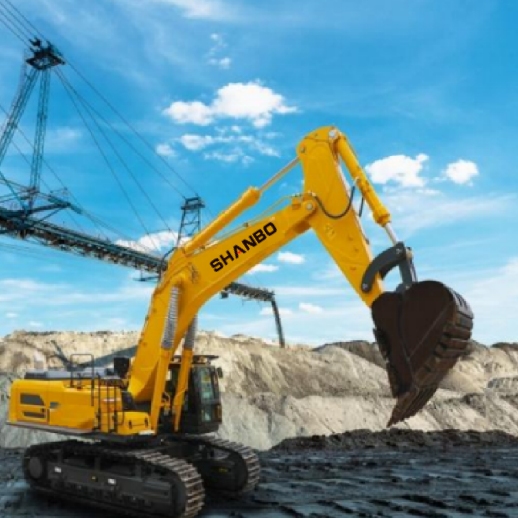
Էքսկավատորի հիդրավլիկ համակարգի տարածված խնդիրների լուծում
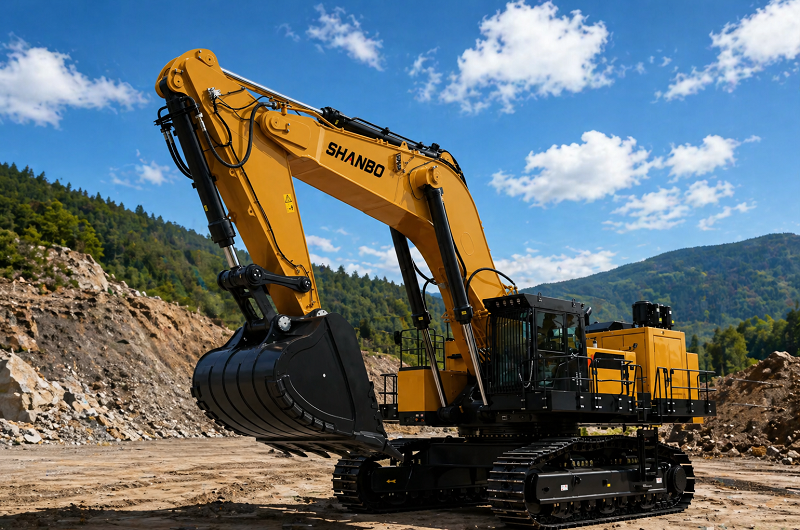
Հիդրավլիկ համակարգերը յուրաքանչյուր ժամանակակից էքսկավատոր-փորողի հիմնական շարժիչ աղբյուրն են, որոնք հնարավորություն են տալիս իրականացնել հարթ փորում, բարձրացում, պտտում և մակերևույթի հարթեցում։ Երբ առաջանում են հիդրավլիկ խնդիրներ, դրանք կարող են արագ նվազեցնել մեքենայի արդյունավետությունը, մեծացնել անգործության ժամանակը և բարձրացնել սպասարկման ծախսերը։ Շինարարական ընկերությունների համար, որոնք հիմնված են անընդհատ աշխատանքի վրա, հիդրավլիկ համակարգի տարածված խնդիրների ճանաչման և վերացման մեթոդների իմացությունը անհրաժեշտ է։
Որպես մասնագիտացված շինարարական սարքավորումների արտադրող՝ Shanbo-ն ներկայացնում է այս ուղեցույցը՝ օգնելու շահագործողներին և տեխնիկներին ախտորոշել և վերացնել էքսկավատոր-փորողներում հաճախ հանդիպող հիդրավլիկ համակարգի խնդիրները։
Հիդրավլիկ համակարգի դերի հասկացում
Հիդրավլիկ համակարգը շահագործման մեքենայում պատասխանատու է մեխանիկական էներգիան հզոր հեղուկով շարժվող շարժման վերափոխելու համար: Այն բաղկացած է հիմնական բաղադրիչներից, ինչպես օրինակ՝ հիդրավլիկ պոմպ, կառավարման կլապաններ, շարժիչներ, մագիստրալներ, ֆիլտրներ և հիդրավլիկ հեղուկ: Այս բաղադրիչները միասին աշխատում են բարձր ճնշման տակ՝ մեքենայի ճշգրիտ շարժումներ իրականացնելու համար:
Երբ համակարգի ցանկացած մաս վնասվում է՝ անկախ այն աղտոտման, մաշվածության կամ սխալ շահագործման պատճառով, ամբողջ մեքենայի աշխատանքային ցուցանիշները կարող են վատանալ: Վաղաժամկետ նախազգուշացման նշանները ճանաչելը արդյունավետ խնդրի լուծման և սարքավորումների երկարատև հուսալիության ապահովման առաջին քայլն է:
Խնդիր 1. Դանդաղ կամ թույլ հիդրավլիկ պատասխան
Էքսկավատոր-մաքրողի մեջ ամենատարածված խնդիրներից մեկը դանդաղ կամ թույլ հիդրավլիկ շարժումն է: Օպերատորները կարող են նկատել, որ բազմաձև ձեռքը, թևը կամ բակետը դանդաղ են արձագանքում կամ բացակայում է սովորական մաքրման ուժը:
Այս խնդիրը հաճախ առաջանում է հիդրավլիկ յուղի մակարդակի իջեցման, ֆիլտրերի խցանման կամ հիդրավլիկ պոմպերի մաշվածության պատճառով: Հիդրավլիկ համակարգի մեջ օդի ներթափանցումը նույնպես կարող է նվազեցնել ճնշումը և արդյունավետությունը:
Խնդրի լուծման համար սկսեք հիդրավլիկ յուղի մակարդակը ստուգելով և, եթե անհրաժեշտ է, լրացրեք այն: Ստուգեք ֆիլտրերը աղտոտման նկատմամբ և փոխարինեք դրանք, եթե դրանք խցանված են թվում: Եթե խնդիրը շարունակվում է, հիդրավլիկ պոմպը կարող է պետք ունենալ մասնագիտական ստուգում կամ փոխարինում:
Խնդիր 2. Հիդրավլիկ յուղի վերատաքացում
Գերտաքացումը մեկ այլ լուրջ խնդիր է, որը ազդում է էքսկավատոր-գործիքի աշխատանքի վրա: Երբ հիդրավլիկ յուղի ջերմաստիճանը չափից շատ բարձրանում է, նվազում է նրա քսանյութային արդյունավետությունը, ինչը կարող է վնասել սեղմադիրները, մալուխները և ներքին մասերը:
Տարածված պատճառներից են չափից շատ բեռնվածությունը, անբավարար սառեցումը, ցածր որակի հիդրավլիկական յուղը կամ սառեցման համակարգի խափանումը: Կարող են նաև սառեցման արդյունավետությունը սահմանափակել արտաքին ջերմափոխանակիչների խցանումը կամ ռադիատորի աղտոտված թերթիկները:
Այս խնդրի լուծման համար համոզվեք, որ սառեցման համակարգը մաքուր է և ճիշտ է աշխատում: Եթե հիդրավլիկ յուղը վատացել է, այն փոխարինեք արտադրողի խորհուրդ տված մակարդակով: Խուսափեք անընդհատ ծանր բեռնվածության տակ աշխատելուց՝ առանց ընդմիջումների, և սառեցման մասերը պարբերաբար մաքրեք՝ ջերմաստիճանի ճիշտ կարգավորման համար:
Խնդիր 3. Հիդրավլիկ հետազոտություններ
Հիդրավլիկ հետազոտությունները ցանկացած էքսկավատոր-գործիքի համար ինչպես աշխատանքային, այնպես էլ անվտանգության հարց են: Հետազոտությունները սովորաբար հայտնվում են մալուխների, միացման մասերի, սեղմադիրների կամ շարժիչների շուրջ և կարող են հանգեցնել ճնշման կորստի և շրջակա միջավայրի վրա վնասակար ազդեցության:
Ամենատարածված պատճառներից են մաշված սեղմանիչները, թույլ միացումները կամ երկարատև օգտագործման կամ արտաքին հարվածի պատճառով վնասված հիդրավլիկական հոսանափողերը:
Հայտնաբերելու համար հատակային հոսքերը տեսանելիորեն ստուգեք բոլոր հիդրավլիկական գծերը և բաղադրիչները: Կարգավորեք թույլ միացումները և անմիջապես փոխարինեք ճեղքված կամ մաշված հոսանափողերը: Շարժիչներում վնասված սեղմանիչները պետք է փոխարինվեն որակյալ տեխնիկների կողմից՝ ճիշտ վերահավաքածուի և ճնշման ամբողջականության երաշխիքների համար:
Խնդիր 4. Հիդրավլիկ համակարգում անսովոր ձայներ
Սովորաբար անսովոր ձայներ, ինչպես օրինակ՝ սուլոցը, կարկատոցը կամ կավիտացիայի ձայները, ցույց են տալիս մանրամասն հիդրավլիկ համակարգում առաջացած խնդիրները։ Այս ձայները սովորաբար վկայում են օդի ներթափանցման, հեղուկի մակարդակի իջեցման կամ պոմպի մաշվածության մասին։
Կավիտացիան հատկապես վտանգավոր է և առաջանում է այն դեպքում, երբ հիդրավլիկ հեղուկում առաջանում են օդի փուչիկներ, ինչը հանգեցնում է ներքին բաղադրիչների մաշվածության։
Այս խնդրի լուծման համար ստուգեք ծծման գծերում օդի առկայությունը և համոզվեք, որ բոլոր միացումները լավ են կնքված: Պահպանեք ճիշտ հիդրավլիկ յուղի մակարդակը և փոխարինեք աղտոտված հեղուկը: Եթե ձայնը շարունակվում է, հիդրավլիկ պոմպը կամ շարժիչը կարող է պահանջել ստուգում կամ փոխարինում:
Խնդիր 5. Անհամաչափ կամ անհավասարակշռված շարժում
Երբ էքսկավատորի մեքենան ցուցադրում է անհամաչափ շարժում՝ օրինակ, մեկ թևի ավելի արագ շարժում, քան մյուսը, սա սովորաբար վկայում է ներքին կլապանների խնդիրների կամ ճնշման անհավասարաչափ բաշխման մասին:
Սա կարող է պայմանավորված լինել կառավարման կլապանների խցանմամբ, մաշված սպուլային կլապաններով կամ հիդրավլիկ համակարգում աղտոտմամբ:
Խնդրի լուծման համար մաքրեք կամ փոխարինեք հիդրավլիկ կառավարման կլապանները և համոզվեք, որ համակարգը ազատ է աղտոտիչներից: Շարունակական յուղի ֆիլտրացումը և համակարգի լվացումը կարող են օգնել պահպանել հավասարակշռված հիդրավլիկ հոսքը: Ավելի ծանր դեպքերում կարող է պահանջվել մասնագիտական կալիբրում:
Պրեվենտիվ արտահանգում՝ երկար ժամանակի հավանականության համար
Հիդրավլիկական խնդիրների կանխարգելումը շատ ավելի էժան է, քան դրանց վերանորոգումը: Շահագործման առավելագույն արդյունավետության պահպանման համար ստանդարտացված սպասարկումը անհրաժեշտ է մեքենայի շահագործման ընթացքում: Օպերատորները պետք է հետևեն նախատեսված յուղի փոխարինման, ֆիլտրերի փոխարինման և համակարգի ստուգման գրաֆիկին:
Բարձրորակ հիդրավլիկական հեղուկի օգտագործումը, վերաբեռնվածության պայմաններից խուսափումը և համակարգի մաքրության պահպանումը կարևորագույն գործողություններ են: Օպերատորների վերապատրաստումը՝ հիդրավլիկական խնդիրների վաղ նշանները ճանաչելու համար, նույնպես կարող է նվազեցնել անաշխատունակության ժամանակը և երկարացնել մեքենայի ծառայության ժամկետը:
Shanbo-ն ամեն մի կառուցապատման տեխնիկայի արտադրանքում ընդգծում է դիմացկունությունն ու հուսալիությունը: Ճիշտ սպասարկումը բարձրորակ տեխնիկայի հետ միասին ապահովում է ամենամեծ արտադրողականությունը յուրաքանչյուր շինարարական մակերեսում:
Եզրակացություն
Հիդրավլիկ համակարգերը կարևորագույն են ցանկացած էքսկավատորի աշխատանքի համար, և նույնիսկ փոքր խնդիրները կարող են կտրուկ ազդել արտադրողականության վրա: Ընդհանուր խնդիրների՝ դանդաղ ռեակցիայի, տաքացման, հետազոտված հեղուկի արտահոսքի, աղմուկի և անհամաչափ շարժման մասին իմացությունը հնարավորություն է տալիս օպերատորներին արագ ճշտել խնդիրները և խուսափել թանկարժեք անաշխատունակությունից:
Ճիշտ սպասարկման և ժամանակին խնդիրների լուծման դեպքում շինարարական սարքավորումները կարող են երկար ժամանակ ապահովել կայուն և հուսալի աշխատանք: Shanbo-ն շարունակում է աջակցել օպերատորներին՝ ապահովելով հուսալի մեքենաներ և գործնական տեխնիկական գիտելիքներ, որպեսզի յուրաքանչյուր նախագիծ հաջողությամբ իրականացվի:
 Թեժ նորություններ
-
Shantui BL75 հետընթաց լոդեր՝ հատուկ մաքրման վաճառք. Հիմա հասանելի է բազմաֆունկցիոնալ «բոլորը մեկում» շինարարական մեքենան
2026-10-15
-
Շանբո SH380 մեքենան՝ սարքավորված կրավլերով, հանքային աշխատանքների համար նախատեսված ծանր տիպի մեքենա՝ Կամմինսի շարժիչով, որը ապահովում է կայուն և բարձր արդյունավետությամբ աշխատանք
2026-10-15
-
Ներկայացվել է SHANBO EW50 էլեկտրական լոդերը՝ երկու լիցքավորման սարքերով արագ լիցքավորմամբ և երկար շահագործման տևողությամբ
2026-10-15
-
Բեկհոու լոդերի ներմուծում. Ի՞նչ է այն. Մեքենայի բազմագործառնական վերանայում
2026-10-06
-
38 տոննայանոց էքսկավատորի շահագործման սցենարներն ու կիրառումը | SHANBO-ի մեծ էքսկավատոր հանքարդյունաբերության և ենթակառուցվածքների շինարարության համար
2026-10-06
-
SHANBO EW30 էլեկտրական բեռնավորիչ՝ 3 տոննայանոց լիթիում-էներգիայով աշխատող անվավոր բեռնավորիչ, զրո արտանետումներով բեռնավորիչ հանքերում և շինարարական վայրերում
2026-09-24