内容生成中...

Let Us Know How We Can Help You

Name
Company
Email
Phone/WhatsApp
Message
0/1000
Hydraulic Excavator

Hydraulic Excavator

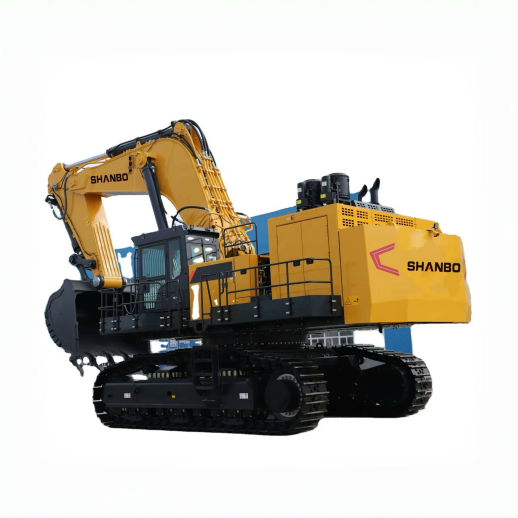
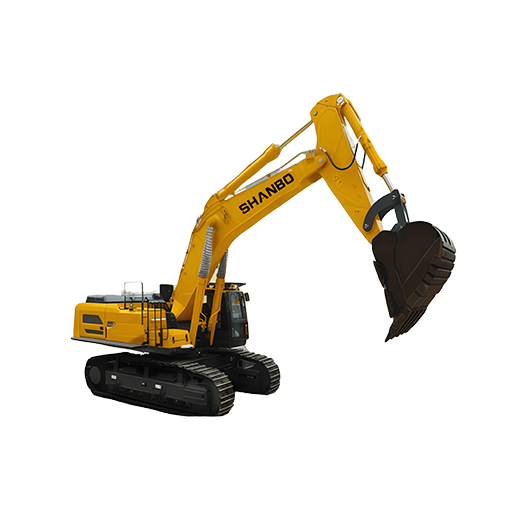
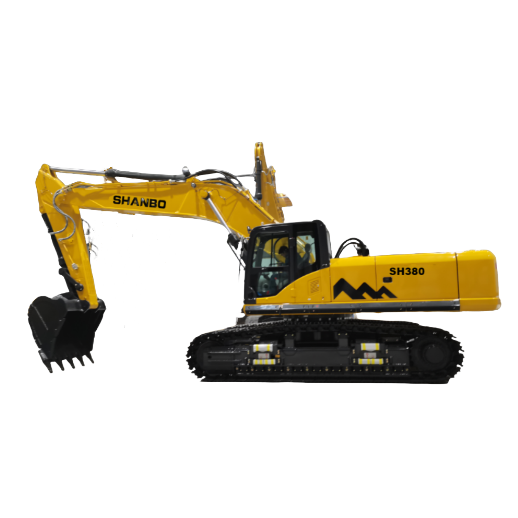
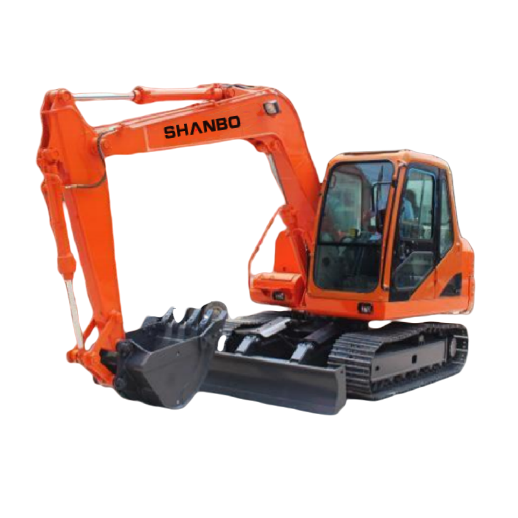
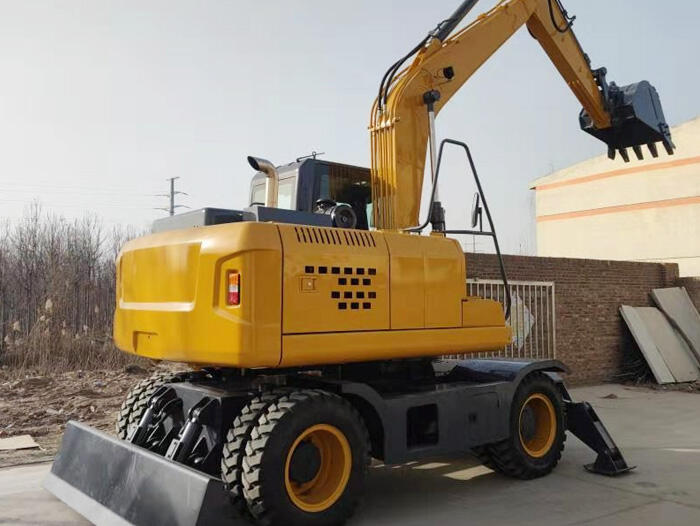
The hydraulic excavator has been developed for many applications and is considered to be one of the most powerful types of earthmoving equipment used today. An innovative use of hydraulic technology allows this piece of machinery to operate at maximum efficiency and accuracy when completing many different tasks, including material handling, trench digging, site preparation, and excavation of various sizes. The hydraulic excavator has been designed in such a way that the overall output is very high, with very easy and smooth control. Therefore, it can be used effectively on large construction projects as well as in smaller scale, detail-oriented operations. The hydraulic excavator has been specifically designed for use by professionals and therefore consists of a high-quality structure, which provides a high level of performance even in the most demanding and severe working conditions.
Get A Quote

Advantages of Hydraulic Excavator

Superior Hydraulic Power System

Excavators have hydraulic systems designed specifically with pumps and valves that give the hydraulic system a great deal of power and allow the excavator to run smoothly. Another benefit of an excavator's hydraulic system is its ability to respond to operator input instantly and produce energy-efficient power. These features make excavators highly efficient for heavy excavation and fine grading applications.

Improved Stability and Handling

An excavator features strong construction and weight distribution systems that allow for optimal stability during operation. With the compact size of the swing radius and the ease of use of the controls, excavators are capable of executing precise movements in limited working spaces. This makes them ideal for many contemporary construction projects found on multi-storey buildings and within heavily populated cities.

Smart Operation and Maintenance Functions

Modern control systems come with digital displays showing operators their system's performance and when maintenance is needed. This feature allows for optimization of an operator's performance while predictive maintenance technology helps reduce the time spent on daily maintenance checks and decreases downtime due to bad or faulty systems.

Hydraulic Excavator

The hydraulic excavator is powered by a modern hydraulic engine with an advanced cooling system. As such, this hydraulic engine provides reliable, consistent performance and is compliant with the stringent emissions regulations imposed by many countries. The hydraulic and hydraulic engine systems of the excavator are co-operatively designed, meaning that they work together. The hydraulic engine also features a dedicated hydraulic system for fuel efficiency of all engine speeds.

The hydraulic system is load-sensing, meaning that it will automatically regulate the rate of flow based on the amount of force requested by the operator for the specific application. The hydraulics of the excavator allow for smooth, controlled operation. The excavator is also equipped with hose guards and filtration systems to protect the hydraulic components against damage from severe use and improve the longevity of the hydraulic system.

The operator is afforded superior visibility when operating the hydraulic excavator from a spacious operator's cabin equipped with vibration-dampening technology and ergonomically located controls. Much consideration was given to the operator's comfort level with the addition of climate-controlled heating, low noise levels, and adjustable seats. Additionally, 360-degree surveillance capabilities give the operator a full view of their surroundings.

Hydraulic Excavator

What maintenance schedule does the hydraulic excavator require?

In order to optimize productivity levels, it is best practice to inspect hydraulic fluid levels everyday and determine the hydraulic fluid change service interval based on 500 operating hours.
Using load sensing technology, hydro-actuated devices (hydraulics) give energy to the hydraulic motor as requested; they do the same as a traditional hydraulic device but only offers the required amount of power when required. Compared with traditional hydraulic implementations, this will minimize wasted or ineffective usage of energy.
All standard safety features include: ROPS/FOPS-certified cab structures, emergency stop systems, automatic fire suppression capabilities (optional), and 360° visibility options.
There are available extreme-weather packages for operation in sub-zero conditions (down to -30°C) and operation in extreme heat (up to 50°C).

Let Us Know How We Can Help You

Name
Company
Email
Phone/WhatsApp
Message
0/1000
Facebook Facebook YouTube YouTube Linkedin Linkedin WhatsApp WhatsApp
WhatsApp
TopTop