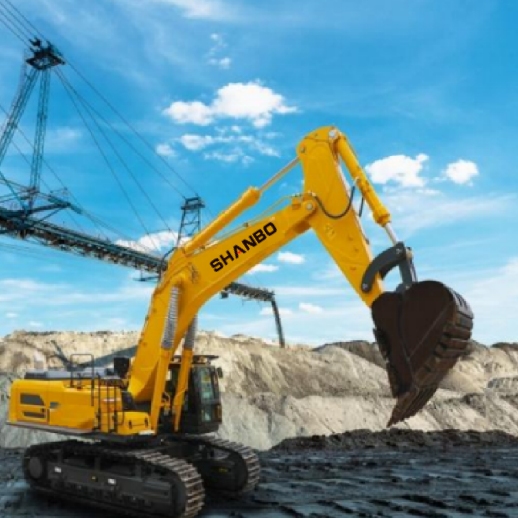
Инспектирање и одржавање екскаператора за траку
Рамови за ископавање са траком су основна машина у модерним грађевинским, рударским и земљокретничким операцијама. Дизајниран је да обезбеди снажну тракцију, стабилност и перформансе на изазовном терену.
Међутим, чак и најтрајнији ископачи захтевају одговарајућу инспекцију и одржавање како би се осигурала дуготрајна поузданост. Окружје пруге, као основа система поткопа, игра критичну улогу у подршци целе машине. Редовно одржавање ове конструкције не само да побољшава ефикасност, већ и значајно смањује трошкове поправке и време за одступање.
Важност система рамке пруга
Рам за траку је структурна основа која подржава компоненте подкопа, укључујући траке, ролери, леђа и зубре. То равномерно расподељава тежину машине по шинама, што омогућава экскаватору да се непрекидно креће на неравномерним, блатим или каменитим површинама.
Пошто стално носи велика оптерећења и апсорбује вибрације и ударе са грубог тла, рамка пруга је изложена континуираном стресу током рада. С временом, то може довести до зноја, деформације или уморног пуцања ако се не брине о томе. Добро одржаван оквир пруга осигурава стабилно кретање, прецизно копање и сигурно функционисање на свим врстама грађевинских места.
За грађевинске компаније, занемаривање одржавања рампе пруга може довести до скупог времена простора и смањења трајања машине. Зато је разумевање како да инспектирате и одржавате овај систем од суштинског значаја за максимизацију продуктивности.
Кључна подручја за инспекцију на екскаватору за траку
Рутинска инспекција је основа за ефикасно одржавање. Оператори би требали да обављају дневне преводне проверке и детаљније инспекције недељно или месечно.
Напетост и усклађивање стаза
Правилно напетост пруга је од суштинског значаја за непрекидно и сигурно функционисање. Ако је трака превише чврста, то чини претерано оптерећење ваљка, зубаца и покретача. Ако је превише лабава, пруга може клизати или се избацивати током рада. Обе ситуације воде до прераног зноја и смањења ефикасности. Редовна прилагођавање осигурава уравнотежено напетост засновано на радним условима.
Ролери, Идлери и компоненте за носиоце
Ролери и леђари воде стазу и подржавају тежину экскаватора. Ове компоненте треба прегледати на проливање уља, пукотине, неравномерне обрасце знојања или необичну буку током рада. Износени ваљци могу изазвати вибрације и погрешну навијање, што утиче на општу стабилност машине. Рано откривање оштећења помаже да се спрече даљи усложњавања.
У стању пруге
Пружњак се директно повезује са ланцем трака, што га чини једном од најоштитијих компоненти. Оператори треба да провере да ли су зуби оштри, кукави или неравномерни, што указује на напредну зношење. Ако се не брине о њима, издржени зумници могу оштетити ланцу трака и смањити ефикасност вожње.
Структура рамке пруга
Сам оквир пруге треба да се провери на структурну интегритет. Погледајте да ли је у терену нешто пукотине, рђа, савијање или заваривање, посебно око места на којима се налази стрес и зглобова. Чак и мале пукотине могу се током времена ширити због тешких оптерећења, што доводи до озбиљних структурних проблема ако се рано не реше.
Завршице и болтови
Буце и спојне уређаје обезбеђују кључне компоненте подкопа. Вибрације од свакодневног рада могу довести до тога да се постепено опусти. Уколико је хардвер лазан, може се десити да се не уклапа, да има буке или чак да се компоненти не успеју. Редовно затезање и замена су од суштинског значаја за сигурно функционисање.
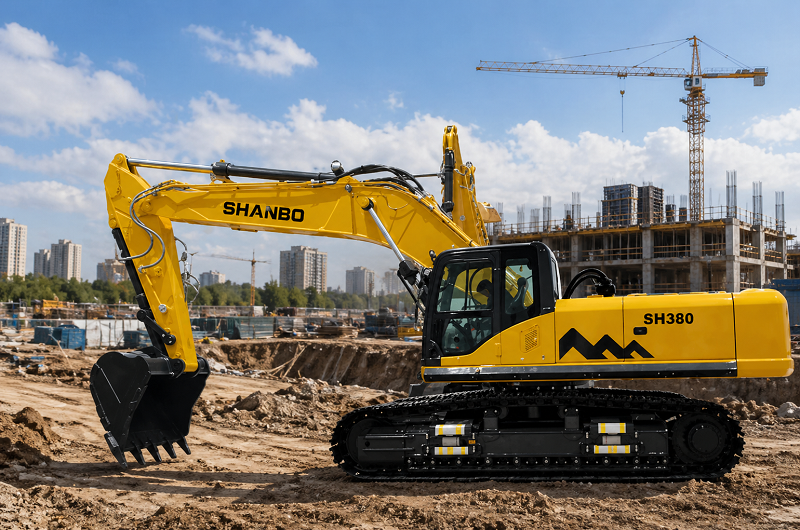
Ефикасне методе одржавања
Само инспекција није довољна. Правилно одржавање осигурава да све компоненте и даље ефикасно раде у тешким условима.
Чишћење подвезнице
У току рада, у железничком систему се често акумулирају кал, камење и остаци. Ова акумулација повећава зношење и може оштетити пломбе и покретне делове. Редовно чишћење, посебно након рада у блатопољу или песчаном окружењу, помаже да се спречи корозија и механички стрес.
Умарење компоненти
Мазивање смањује тријање између кретајућих делова као што су ваљци, пинови и буши. Коришћење висококвалитетних мастила које препоручује произвођач осигурава непрекидно функционисање и спречава прегревање. Треба строго пратити правилне распореде марења.
Прилагођење стазе на основу услова
Различите радне средине захтевају различите подешавања напетости трака. На мекијем тлу може бити потребно мало лабије напетост да би се побољшала тракција, док се на каменим терену често треба чвршће прилагодити за стабилност. Оператори треба да прилагоде напон у складу са условима локације како би оптимизовали перформансе.
Рано праћење зноја и замена делова
Превентивна замена је ефикаснија од чекања на неуспех. Компоненте као што су зубрице, ваљци и ланци за траку треба пратити на пример на обрасце зноја. Замена делова пре него што се порекну помаже да се избегне оштећење целог система подкопа.
Превентивне стратегије за дужи живот
Превентивно одржавање је најефикаснији начин да се продужи животни век екскапера са траком. Оператори треба да буду обучени да препознају ране знаке упозорења као што су абнормалне вибрације, неравномерно кретање стазе или необична бука.
Правилно функционисање такође игра значајну улогу. Избегавање изненадних окретања, прекомерних оптерећења и брзиног кретања на тврдим површинама помаже у смањењу притиска на систем поткопа. Ове једноставне навике значајно продужавају живот компоненте.
Поред тога, препоручује се и редовно сервисирање од стране квалификованих техничара. Професионална инспекција може открити скривене структурне проблеме који можда нису видљиви током рутинских провера. Напређени дијагностички алати омогућавају да се рано открију знојење и умор.
Закључак
Рамови за ископавање трака су моћна и неопходна машина у грађевинским радовима, а њене перформансе у великој мери зависе од стања њеног система подкопа. Процес константне инспекције, одговарајуће техничке технике и превентивне бриге помоћу којих оператери могу да побољшају поузданост машине и да смање оперативне трошкове.
За Шанбо као произвођач грађевинске опреме, промовисање одговарајућег знања о одржавању осигурава да купци постигну максималну ефикасност и трајност својих ископавача. Добро одржаван оквир не само да продужава живот опреме већ гарантује и сигуран, стабилан и продуктиван рад у најзахтљивијим условима на радовном месту.
 Топла вест
-
Шантуи БЛ75 Бацкхоа Лоадер Специјална продаја: Универзална "Све у једном" грађевинска машина сада доступна
2026-10-15
-
Шанбо Ш380 Цроулер-тип тежак-Дужност рударски екскаватор Подвижени од стране Цамминс за стабилни, високо-испоставима излаз
2026-10-15
-
Шанбо ЕВ50 Електрични половник лансиран: Двоструко пушке брзо пуњење и дуг домет
2026-10-15
-
Увод у багер-утоваривач: Шта је то? Преглед мултифункционалне машине
2026-10-06
-
Оперативни сценарији и примене за багер од 38 тона | ШАНБО велики багер за рударство и изградњу инфраструктуре
2026-10-06
-
Електрични утоваривач SHANBO EW30 – Утоваривач на точкове од 3 тоне са литијумским погоном – Утоваривач са нултом емисијом за руднике и градилишта
2026-09-24