Applications of Different Bulldozer Models | Operating Conditions for SD16, SD22, and SD32 Bulldozers
I. Applications and Operating Conditions for the SD16 Bulldozer
The SD16 is a small-to-medium-sized bulldozer, highly versatile in the construction sector. With a moderate operating weight, flexible steering, user-friendly controls, and excellent fuel efficiency, it is widely used for small-to-medium-scale earthmoving projects. Its pushing capacity is well-suited for tasks such as leveling earth, clearing site surfaces, rough-grading roadbeds, transforming farmland, constructing rural roads, and organizing small material storage yards. It is frequently deployed in municipal infrastructure projects, landscaping site preparation, and rural infrastructure development. The SD16 is adaptable to various terrains, capable of operating reliably on soft or slightly muddy ground. Low maintenance costs and the ready availability of spare parts make it a staple, go-to small bulldozer for many construction firms.
The SD16 is not designed for prolonged heavy-duty operations, large-scale stripping of thick layers of earth and rock, or pushing hard rock in major mining environments. Under high-load mining conditions, it may suffer from insufficient power and reduced operational efficiency; it is better suited for light-to-medium-duty earthmoving tasks.
II. Applications and Operating Conditions for the SD22 Bulldozer
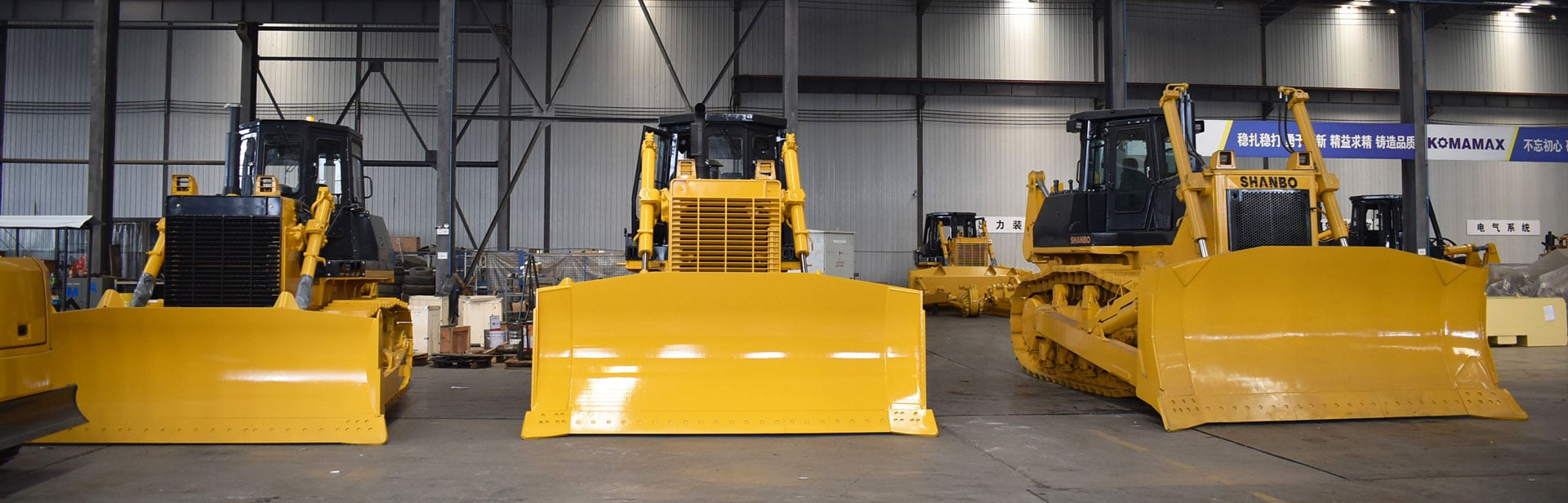
The SD22 is a mainstream medium-sized bulldozer and a benchmark model in the earthmoving industry. It features ample power reserves, a larger blade capacity, and significantly greater traction than the SD16, striking an effective balance between maneuverability and raw pushing power. It is capable of handling tasks such as large-scale roadbed filling, earth and rock excavation, embankment construction, river dredging, site grading, and the transport of debris or waste in quarries. The SD22 is extensively utilized in highway infrastructure, water conservancy projects, site leveling for power plants, and earthmoving operations within industrial parks.
When facing work surfaces containing gravel or hard soil, the SD22 bulldozer—equipped with a ripper—can break up shallow, hardened ground, significantly broadening its range of applications. Balancing construction efficiency with acquisition and operating costs, it is a preferred choice for most civil engineering projects and remains one of the most widely circulated models in the equipment rental market.
III. Applications and Operating Conditions for the SD32 Bulldozer
The SD32 is a large-scale bulldozer characterized by high power, substantial tractive force, and robust structural integrity. It is designed for heavy-duty, high-intensity earthwork and rock-moving tasks, making it well-suited for large-scale engineering projects and mining operations. Its primary applications include overburden removal in large mines, dam construction for major reservoirs, handling waste and soil in large open-pit mines, large-scale excavation for major infrastructure, and site leveling in extensive storage yards. When dealing with thick layers of earth and rock, hard weathered rock, or large piles of debris, the SD32 excels; its high-capacity blade allows for greater volume displacement per pass, making it ideal for continuous, high-intensity operations over large areas.
Due to its greater operating weight and higher ground pressure, the SD32 is not suitable for soft, silty, or marshy terrain, as it is prone to sinking. Furthermore, it entails higher fuel consumption, acquisition costs, and maintenance expenses; consequently, it is typically reserved for projects involving large-scale, long-term, heavy-duty operations.
IV. Key Factors for Selecting Between SD16, SD22, and SD32 Bulldozers
When selecting a bulldozer, one should not focus solely on price; the choice must be based on the specific operating conditions, the volume of earth to be moved, and the geological characteristics of the site. For small-scale projects, confined workspaces, or jobs with limited earthwork volume, the SD16 is the preferred choice. For standard road construction, water conservancy projects, or industrial park developments with moderate workloads, the SD22 offers the best overall value. For mining operations, large-scale overburden removal, or sustained heavy-duty tasks, the SD32 large-scale bulldozer is the appropriate selection.
In addition to standard dozing operations, all three models can be equipped with optional attachments—such as rippers, U-blades, or straight-tilt blades—to expand their operational capabilities. Rippers are ideal for breaking up hard soil and weathered rock, while U-blades are well-suited for pushing loose earth over longer distances, thereby enhancing efficiency across various working environments.
V. Additional Advice on Selecting a Bulldozer
Many clients in the construction sector tend to opt for larger models without sufficient analysis. While large bulldozers offer greater pushing force, they also entail higher fuel consumption and are less convenient to transport between sites; using them for smaller-scale projects often leads to unnecessary costs. Conversely, selecting a small bulldozer for heavy-duty tasks forces the machine to operate under constant overload, which increases the failure rate and shortens its service life.
A clear understanding of the intended use and ideal operating conditions for different bulldozer models is essential for precisely matching equipment to project requirements, controlling construction costs, and ensuring project timelines are met. We can recommend the most suitable bulldozer model and the appropriate set of attachments based on your project’s geological conditions, earthwork volume, and site characteristics.

 Hot News
-
Handling Solutions for Granite Curbstones: On-Site Application of Portable Vacuum Lifters
2026-11-07
-
Landfill Compactor Operational Scenarios | Heavy-Duty Sanitation Equipment for Landfill Operations and Efficient Solid Waste Disposal
2026-11-07
-
22-Ton Medium-Sized Excavator: A Powerful Machine for Global Infrastructure Projects
2026-11-07
-
Heavy-Duty Construction Bulldozer | Reliable, High-Performance Tracked Earthmoving Equipment – Your One-Stop Solution
2026-11-07
-
Heavy-Duty Compaction Equipment | High-Quality Road Rollers: Selecting Machinery for Road Construction
2026-11-05
-
Applications of Different Bulldozer Models | Operating Conditions for SD16, SD22, and SD32 Bulldozers
2026-11-05