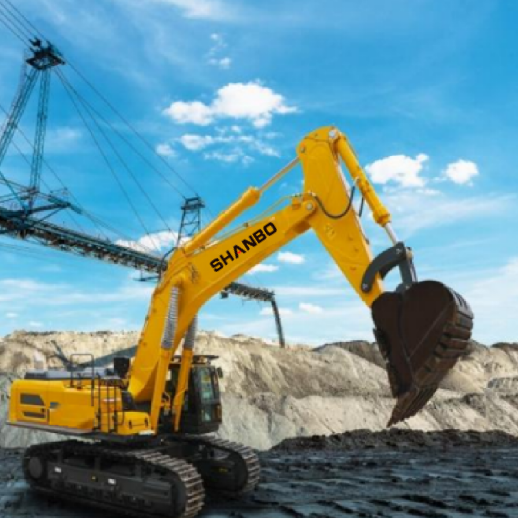
Beyond Earthmoving: Unlocking Diverse Applications and Operating Conditions for Medium-Sized Excavators
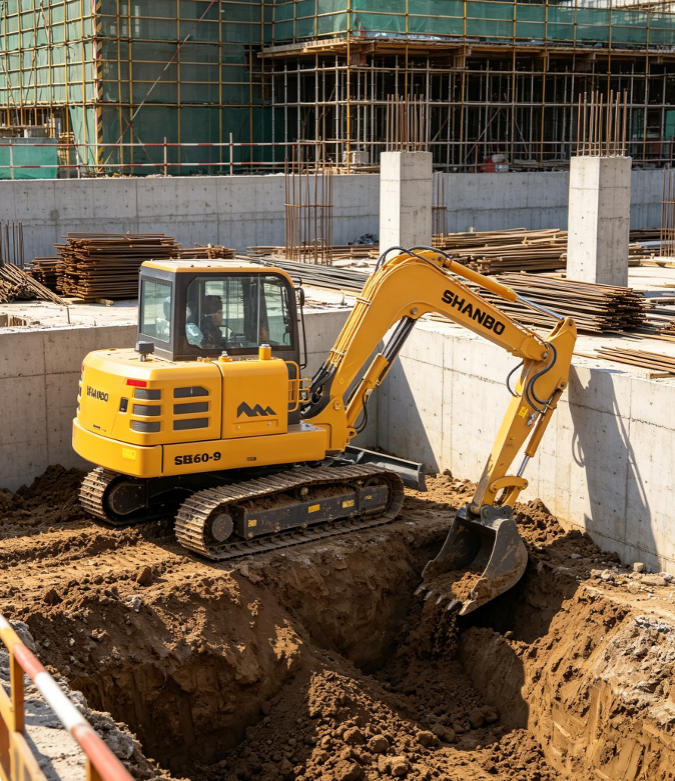
In the minds of many industry professionals, medium-sized excavators are often pigeonholed into tasks like loading earth or excavating foundation pits. In reality, as the construction sector becomes increasingly specialized—with a rise in small-to-medium-scale projects and tighter site constraints—medium-sized excavators have transcended the limitations of basic earthmoving. They now deliver indispensable value across a wide range of specialized operating conditions. Offering greater digging force and load capacity than compact excavators, yet boasting superior maneuverability and lower relocation costs compared to heavy-duty models, they serve as the primary workhorses that strike an ideal balance between power and agility.
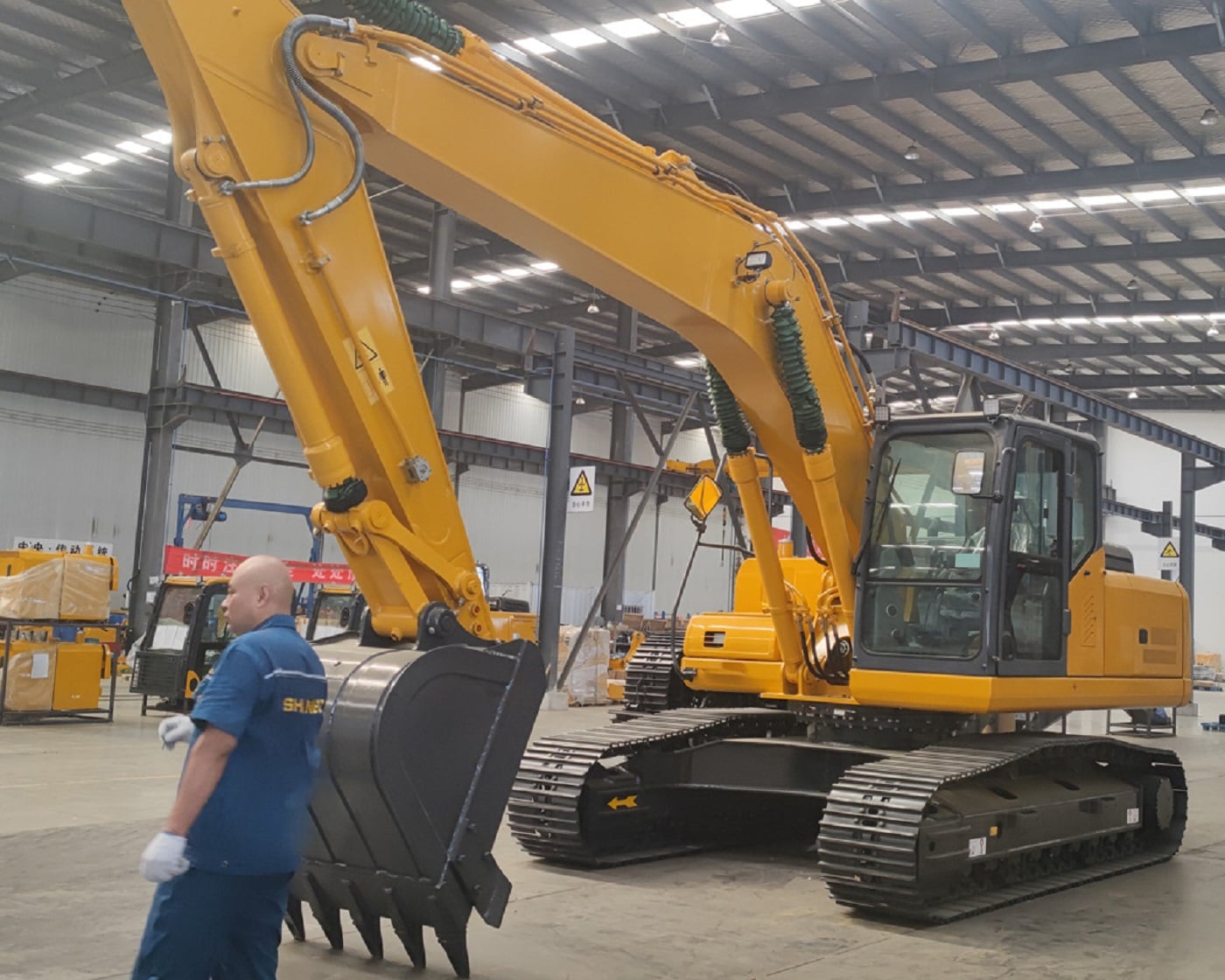
Municipal Revitalization: The Preferred Choice for Precision Urban Construction
Unlike large-scale new construction, urban renewal projects often take place in cramped spaces with heavy pedestrian and vehicular traffic. These environments impose strict requirements regarding noise levels, swing radii, and the precision of demolition or excavation—areas where medium-sized excavators truly excel. Tasks such as breaking up old pavement in historic districts, replacing stormwater drainage networks, widening sidewalks, or digging pits for trees in green belts do not require massive, high-tonnage machinery. Equipped with hydraulic breakers and quick-couplers, medium-sized excavators can rapidly switch between attachments—breaking up old road surfaces one moment and excavating utility trenches the next. This reduces the number of machines required on-site and minimizes disruption to urban traffic. Many municipal general contractors favor medium-sized excavators precisely because they can complete multiple phases of work within a confined, fenced-off area, shortening the duration that space remains cordoned off and lowering the risk of public complaints.
River and Wetland Ecological Restoration: Balancing Desilting with Environmental Protection
The requirements for ecological water conservancy projects are shifting; the days of crude, deep-excavation earth removal are over. Projects such as desilting small-to-medium rivers, restoring waterfront wetlands, or constructing ecological grid structures for embankment protection require precise control over excavation depth. This ensures that the underlying native soil remains undisturbed, preventing the secondary turbidity (clouding) of the water.
Equipped with an extended arm, a medium-sized excavator can reach from the bank to the middle of a river channel for desilting. This eliminates the need for large, temporary construction cofferdams, significantly reducing both the materials required and the time spent on their installation. During the construction of eco-friendly embankments, operators can precisely grade slopes and integrate geotextiles with eco-gabions to stabilize the banks—effectively completing the project while preserving the original riparian ecological foundation.
Rural Development: Farmland Consolidation, Orchard Clearing, and Photovoltaic Foundation Work
Rural revitalization initiatives often involve diverse, geographically dispersed project sites, requiring frequent equipment relocation. Medium-sized excavators can be rapidly transported via flatbed trailers and are well-suited for a variety of tasks, including the leveling of high-standard farmland, the excavation of irrigation and drainage ditches, the clearing of land for orchards, and the digging of foundation pits for mountain-based photovoltaic (PV) installations. Since mountain PV sites are typically uneven, large excavators often struggle with climbing and maneuvering, while micro-excavators lack sufficient load-bearing capacity. Medium-sized excavators strike an ideal balance between traction, ground pressure, and digging force; they can navigate rugged terrain to excavate individual foundation pits, making them perfectly adapted to the fragmented, multi-site nature of mountain construction projects.
Landscaping and Cultural Tourism Infrastructure: Precision Shaping for Terrain Design
Landscaping projects prioritize aesthetic form. Whether shaping artificial slopes, excavating water features, laying foundations for rockeries, or contouring landscape waterways, it is crucial to avoid excessive force that could compromise the intended terrain profile. With their controllable digging power and stable undercarriage, medium-sized excavators are well-suited for large-scale landscape shaping. When used in coordination with manual labor, they can quickly construct micro-topography, refine naturalistic slopes, and carve out the outlines of landscape ponds. Consequently, medium-sized excavators are frequently chosen for the initial terrain-shaping phase of large-scale cultural tourism parks and country parks; they offer far greater efficiency than manual labor and ensure a level of precision that better aligns with the specifications set out by landscape architects.
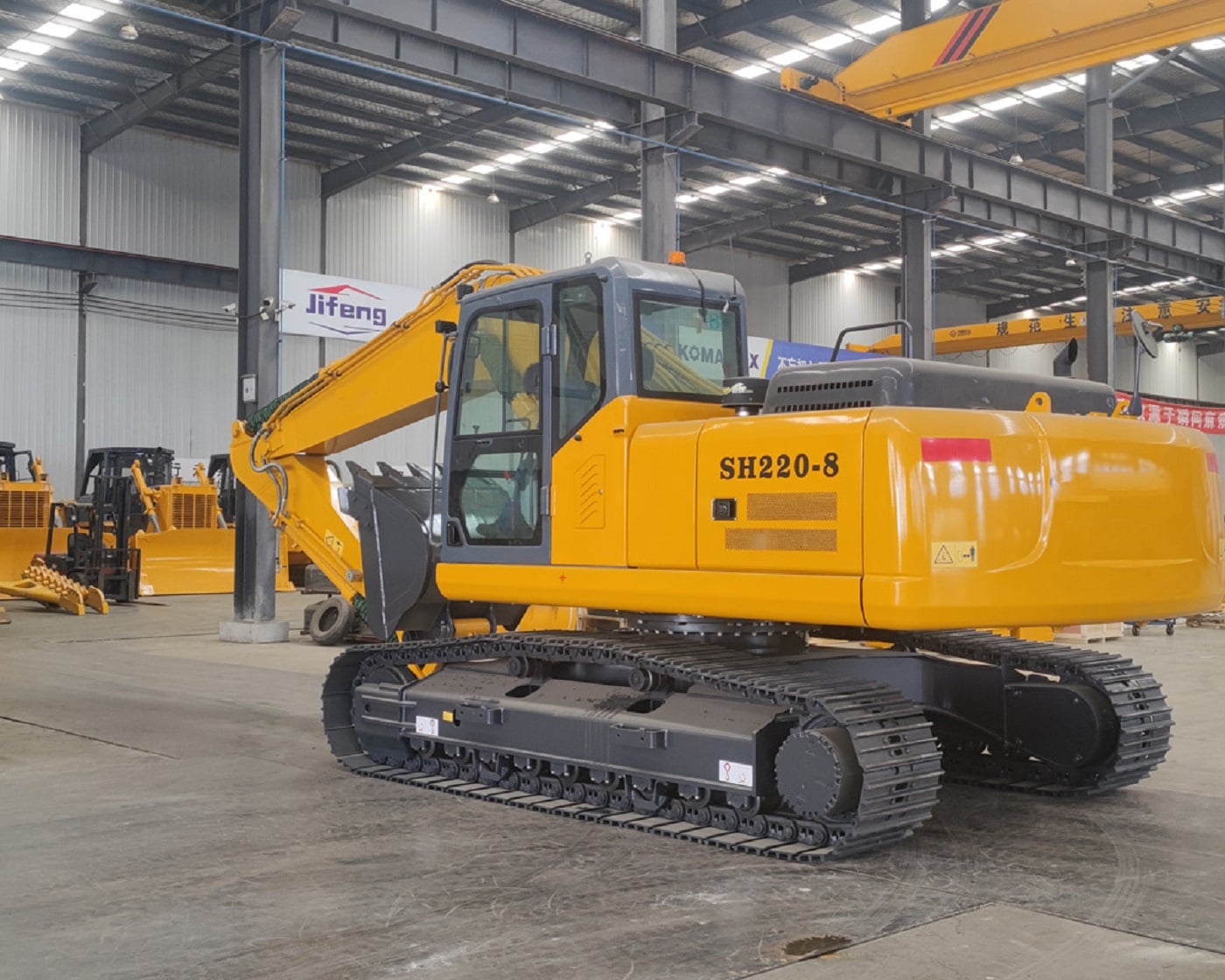
Demolition and Waste Sorting: Controlled Breaking to Mitigate Safety Risks
For the demolition of small-to-medium-sized old buildings or partial renovations of industrial facilities, high-intensity operations using large-scale excavators are often unsuitable, as they carry risks such as accidental wall collapses or the dangerous scattering of construction debris. A medium-sized excavator equipped with a hydraulic breaker and a grapple allows for a "top-down", layer-by-layer dismantling process—systematically taking apart walls and flooring while simultaneously grabbing, sorting, and consolidating construction waste. This approach offers greater control, making it particularly well-suited for partial demolition projects—such as industrial buildings in suburban areas or self-built houses in villages—where waste can be organized on-site, thereby reducing the need for additional equipment and secondary transport.
Determining Suitability: Is a Medium-Sized Excavator the Right Choice for Your Project?
Selecting the right equipment requires looking beyond the project title; the decision should hinge on four key factors: site space, daily workload, frequency of relocation, and the need for various attachments. If the workspace is constrained, the volume of material to be moved is moderate, the project requires frequent switching between attachments (such as breakers, grapples, or dredging buckets), or the work sites are geographically dispersed, a medium-sized excavator often provides the best balance of cost and performance. Conversely, for large-scale, contiguous mining operations or major, one-off excavation projects (like large foundation pits), heavy-duty excavators offer a clear advantage; for extremely confined indoor spaces or small courtyard projects, compact (mini) excavators are the better choice.
Optimizing Medium-Sized Excavators for Diverse Operational Scenarios
To fully leverage the capabilities of a medium-sized excavator across various working conditions, the choice of attachments is critical. A quick-coupler is an essential feature, enabling operators to switch between different tools in a matter of minutes. For dredging or desilting, an extended boom paired with a wide-profile bucket is ideal; for demolition and breaking tasks, a silenced hydraulic breaker is recommended; and for handling timber or sorting waste, a grapple is the appropriate tool. Furthermore, track pads should be selected based on the ground's load-bearing capacity—in soft or wetland environments, wider tracks can be used to reduce ground pressure, preventing the machine from sinking and ensuring continuous, uninterrupted operation.
The engineering industry is increasingly moving toward greater specialization and precision, narrowing the scope of application for single-function equipment. With their advantageous mid-range tonnage, medium-sized excavators are steadily penetrating a diverse array of sectors—including municipal works, ecological restoration, rural development, landscaping, and selective demolition. Consequently, they have become a top priority for contractors looking to expand their equipment fleets. By thoroughly understanding the specific operational challenges inherent in different environments, one can maximize the value of this equipment—transforming the medium-sized excavator from a mere earth-moving tool into a versatile engineering solution capable of handling a wide range of working conditions.
 Hot News
-
SH500-9 Heavy-Duty Crawler Excavator: A Powerful Hydraulic System for Large-Scale Excavation in Harsh Conditions
2026-11-17
-
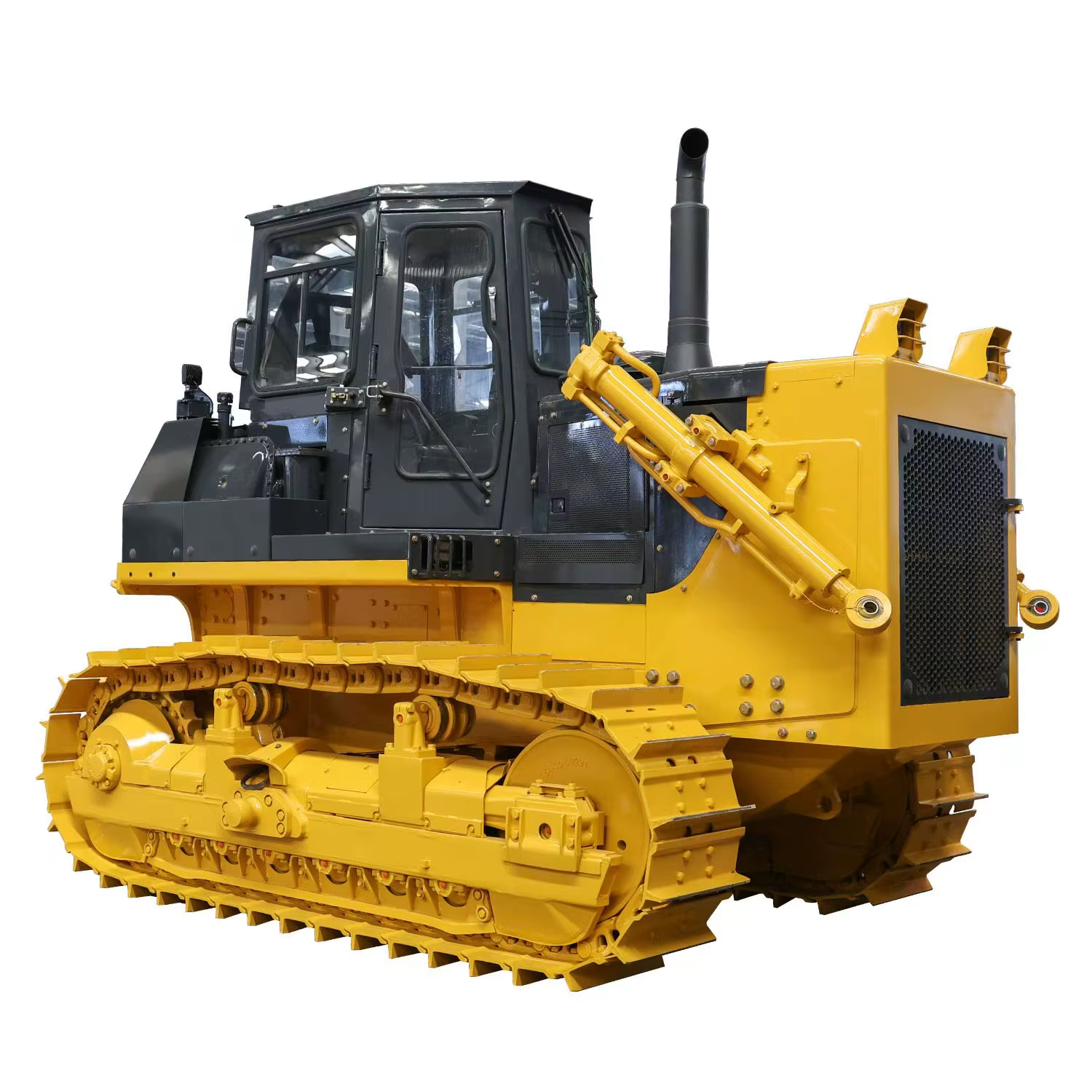
Factory-Direct Hydraulic Crawler Bulldozers: Equipped with 3-Shank/Single-Shank Rippers for High-Efficiency Operation in Mining and Hard-Soil Conditions
2026-11-17
-
Beyond Earthmoving: Unlocking Diverse Applications and Operating Conditions for Medium-Sized Excavators
2026-11-17
-
Wheeled Excavator with Premium Cab: Agile Mobility for Urban Redevelopment and Earthworks
2026-11-13
-
Direct-from-Manufacturer Crawler Mini Excavator – Compatible with Attachments Like Augers and Hydraulic Breakers
2026-11-13
-
SHANBO at bauma CHINA 2026 | Booth Outdoor G39
2026-11-12