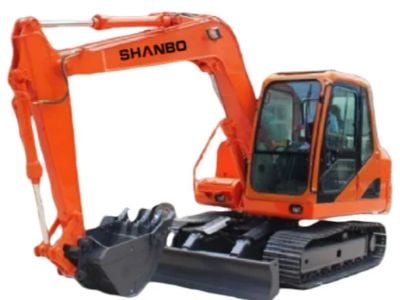
Crawler excavators play a crucial role in forestry projects, helping professionals manage vegetation, clear land, and execute various tasks efficiently. When selecting crawler excavators for forestry applications, buyers typically face concerns regarding performance, durability, and operational costs. This article delves into the top applications of crawler excavators in forestry, providing insights on selecting the right model, specifications to consider, evaluating bulk orders, addressing common challenges, and understanding cost factors to assist purchasing managers and decision-makers.
How to Choose the Right Crawler Excavator for Forestry Projects?
Selecting the appropriate crawler excavator for forestry projects involves assessing several key factors. First, consider the construction equipment weight and power. Heavier models often provide better stability and traction on uneven terrain, but they may also be less maneuverable. A balance between power and agility is essential, especially in dense forest environments.
Next, evaluate the excavator's attachment capabilities. Forestry work often requires specialized attachments such as grapples for handling logs or mulchers for vegetation management. Ensure that the excavator can support various attachments to enhance its versatility.
Additionally, consider the excavator's reach and digging depth. In forestry, tasks may require accessing hard-to-reach areas, so a model with an extended boom or an articulated arm can be beneficial. Assessing the specific tasks your forestry project entails will guide you in selecting the right excavator model.
Top Specifications to Consider When Sourcing Excavators
When sourcing crawler excavators for forestry, certain specifications are critical for optimal performance. Key specifications include:
Operating Weight: This affects stability and ground pressure. Lighter construction machinery may be more suited for sensitive environments, while heavier models offer better performance on rugged terrain.
Engine Power: Measured in horsepower, engine power influences the excavator's ability to perform demanding tasks such as digging, lifting, and transporting materials. Higher horsepower typically translates to better performance in challenging conditions.
Hydraulic Flow Rate: A higher hydraulic flow rate ensures that attachments operate efficiently. This is particularly important for hydraulic-driven tools like grapples and mulchers.
Fuel Efficiency: With rising fuel costs, models that offer energy-efficient operations can significantly reduce overall project expenses. Hybrid models, like those offered by Shanbo, can save over 30% in energy consumption.
These specifications collectively impact the excavator's performance in forestry applications, making them essential considerations during the sourcing process.
Evaluating Crawler Excavators for Bulk Orders
Purchasing crawler excavators in bulk requires a strategic approach to ensure that the investment meets operational needs and budget constraints. Begin by assessing the total cost of ownership, which includes not just the initial purchase price but also maintenance, fuel consumption, and potential downtime.
Next, verify the manufacturer's capability to deliver consistent quality across multiple units. This is crucial for maintaining operational efficiency and minimizing variations in performance. Requesting samples or conducting a trial run with a single unit before committing to a bulk order can provide valuable insights into the Construction machinery products reliability and performance.
Additionally, understand the lead time for production and delivery. Confirming the manufacturer's production capacity and timelines will help you plan your project schedule effectively. Establishing clear communication with the supplier about your requirements and expectations will facilitate a smoother procurement process.
Common Challenges with Crawler Excavators and Their Solutions
While crawler excavators are invaluable in forestry, they come with specific challenges that buyers should be aware of. One common issue is the machine's performance in adverse weather conditions, such as heavy rain or snow, which can affect traction and stability. To mitigate this, consider models designed with superior track systems and weight distribution for improved grip on slippery surfaces.
Another challenge is maintenance and servicing. Crawler excavators often operate in remote locations, making it crucial to have easy access to spare parts and support services. Choosing a manufacturer with a robust after-sales service and an established supply chain for parts can alleviate potential downtime.
Lastly, operators may encounter difficulties in navigating through dense vegetation. Training operators in maneuverability techniques and utilizing specialized attachments can enhance the efficiency of the excavator in complex terrains.
Cost Factors to Consider When Investing in Crawler Excavators
Investing in crawler excavators requires careful consideration of several cost factors beyond the initial purchase price. These include:
Maintenance Costs: Regular maintenance is essential for ensuring the longevity of the excavator. Understand the manufacturer's recommended maintenance schedule and the associated costs for parts and labor.
Operational Costs: Fuel efficiency plays a significant role in overall operational costs. Investigate models that offer advanced fuel-saving technologies or hybrid systems to minimize expenses.
Financing Options: Some suppliers may offer financing or leasing options that can help in managing cash flow. Assess the terms carefully to determine the best financial approach for your organization.
Resale Value: Consider the expected resale value of the excavator after a certain period. Models from reputable manufacturers often retain higher resale values, which can offset the initial investment.
By analyzing these cost factors, buyers can make informed decisions that align with their budgetary constraints and operational goals.
In summary, selecting the right crawler excavator for forestry applications involves a thorough understanding of specifications, operational needs, and potential challenges. By engaging with manufacturers like Shanbo, known for their high-quality, customizable machinery and robust lifecycle services, buyers can ensure they are making an informed investment that meets their forestry project requirements.
