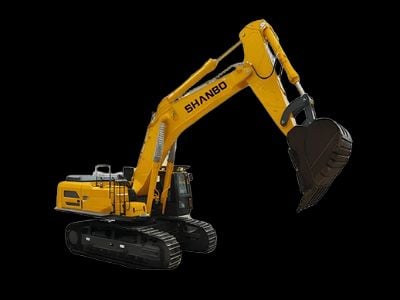
Understanding how to prolong the undercarriage life of a chain excavator is essential for ensuring operational efficiency and minimizing maintenance costs. As construction projects often involve significant investments, purchasing managers and engineers must prioritize equipment longevity and reliability. This article will guide you through key considerations and best practices for extending the lifespan of your chain excavator's undercarriage, addressing common concerns such as material selection, installation techniques, and maintenance practices.
How to Choose the Right Chain Excavator for Your Project Needs?
Selecting the right chain excavator starts with understanding the specific demands of your project. Key factors include the soil conditions, the type of material you’ll be excavating, and the expected load capacity. For instance, softer soils may require a lighter excavator, while harder, compacted materials necessitate a more robust model. Additionally, consider the size and reach of the construction machinery. A larger machine might be more effective for extensive excavation tasks, but it can also lead to increased wear on the undercarriage if not properly matched to the job. Shanbo's hybrid excavators for example, are engineered to save energy while providing powerful performance, making them suitable for various applications. Understanding these parameters will help you choose a model that not only meets project requirements but also supports the longevity of the undercarriage.
Key Specifications to Evaluate for Chain Excavator Undercarriages
When assessing excavator undercarriages, several specifications are critical:
Track Width and Length: Wider tracks distribute weight more effectively, reducing ground pressure and enhancing stability. This is particularly important in soft or uneven terrain.
Material Quality: The undercarriage components should be made from high-strength steel or other durable materials to withstand wear and tear. Material selection directly influences the undercarriage's resistance to abrasion and impact.
Roller and Sprocket Design: The number and arrangement of rollers and sprockets can affect the undercarriage's performance. A well-designed system minimizes friction and wear, contributing to a longer lifespan.
Sealing Technology: Effective sealing mechanisms protect internal components from dirt and moisture. This is crucial for maintaining functionality and preventing premature failure.
Evaluating these specifications helps ensure that you invest in an Bulldozer that will perform reliably and maintain its undercarriage integrity over time.
Effective Installation Tips for Prolonging Undercarriage Life
Proper installation of the undercarriage is vital to its longevity. Here are some best practices:
Alignment: Ensure that all components are correctly aligned during installation. Misalignment can lead to uneven wear and accelerated deterioration.
Torque Specifications: Follow the manufacturer's torque specifications for bolts and fasteners. Under-torqued components can loosen, while over-torqued parts may suffer from stress fractures.
Initial Tensioning: After installation, properly tension the tracks to avoid slippage or excessive wear. This should be checked regularly, especially after the first few hours of operation.
Use of Quality Lubricants: Employ recommended lubricants for all moving parts. Proper lubrication reduces friction, which is a major contributor to wear and tear.
By adhering to these installation practices, you can significantly extend the life of your excavator's undercarriage.
Common Problems with Excavator Undercarriages and Their Solutions
Understanding common issues with excavator undercarriages allows for proactive management. Some frequent problems include:
Track Slippage: This occurs when tracks are not properly tensioned or are worn out. Regularly check track tension and replace worn components to maintain optimal performance.
Wear and Tear: Excessive wear can lead to component failure. Implementing a regular inspection schedule can help identify wear patterns early, allowing for timely replacements.
Contamination: Dirt, mud, and debris can compromise the integrity of the undercarriage. Utilizing proper sealing methods and regular cleaning can prevent contaminants from causing damage.
Hydraulic Issues: Leakages or failures in hydraulic systems can affect track movement. Regularly inspect hydraulic lines and components for signs of leaks and perform necessary maintenance.
Being aware of these issues and their solutions can save significant costs and downtime.
Best Practices for Maintenance of Chain Excavator Undercarriages
To maintain the longevity of your chain excavator's undercarriage, adhere to these best practices:
Regular Inspections: Conduct routine checks for wear, alignment, and track tension. This should include visual inspections as well as functional tests to ensure all components are working correctly.
Lubrication Schedule: Follow a consistent lubrication schedule as per the manufacturer’s recommendations. Keeping all moving parts well-lubricated reduces friction and prevents premature wear.
Track Cleaning: After heavy use, particularly in muddy or dusty conditions, clean the tracks and undercarriage thoroughly to remove any accumulated dirt or debris. This helps prevent corrosion and wear.
Component Replacement: Replace worn components promptly. Waiting until parts are severely worn can lead to more extensive damage and expensive repairs.
Operator Training: Ensure that operators are trained in proper excavator handling techniques. Poor operation can lead to unnecessary strain on the undercarriage.
By implementing these maintenance practices, you can effectively prolong the undercarriage life of your construction equipment, ensuring optimal performance and reducing the need for costly repairs or replacements.
Table of Contents
- How to Choose the Right Chain Excavator for Your Project Needs?
- Key Specifications to Evaluate for Chain Excavator Undercarriages
- Effective Installation Tips for Prolonging Undercarriage Life
- Common Problems with Excavator Undercarriages and Their Solutions
- Best Practices for Maintenance of Chain Excavator Undercarriages
