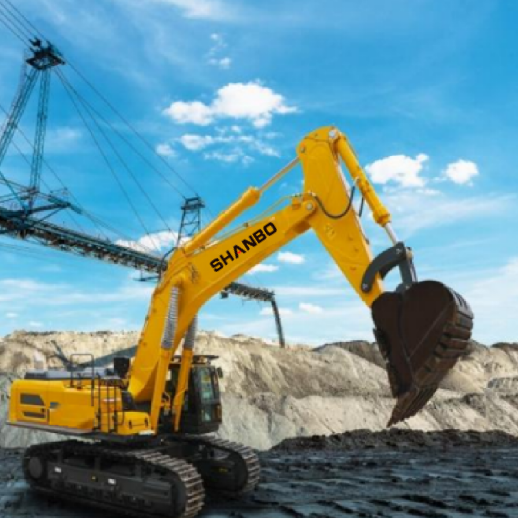
Heavy-Duty Compaction Equipment | High-Quality Road Rollers: Selecting Machinery for Road Construction
Core Requirements for Road Rollers in Road Construction Compaction
In projects such as highways, municipal roads, site development, and subgrade infrastructure, the compaction process directly determines the stability and service life of the road foundation. Selecting heavy-duty compaction equipment tailored to specific operating conditions is crucial for ensuring project quality, managing construction timelines, and reducing operation and maintenance costs. Different construction scenarios—whether involving subgrade, surface layers, or backfill—impose distinct requirements regarding roller tonnage, vibration modes, compaction width, and centrifugal force. Inappropriate equipment selection often leads to substandard compaction, inefficient use of machinery, and reduced construction productivity.
Overview of High-Quality Road Rollers and Their Applications
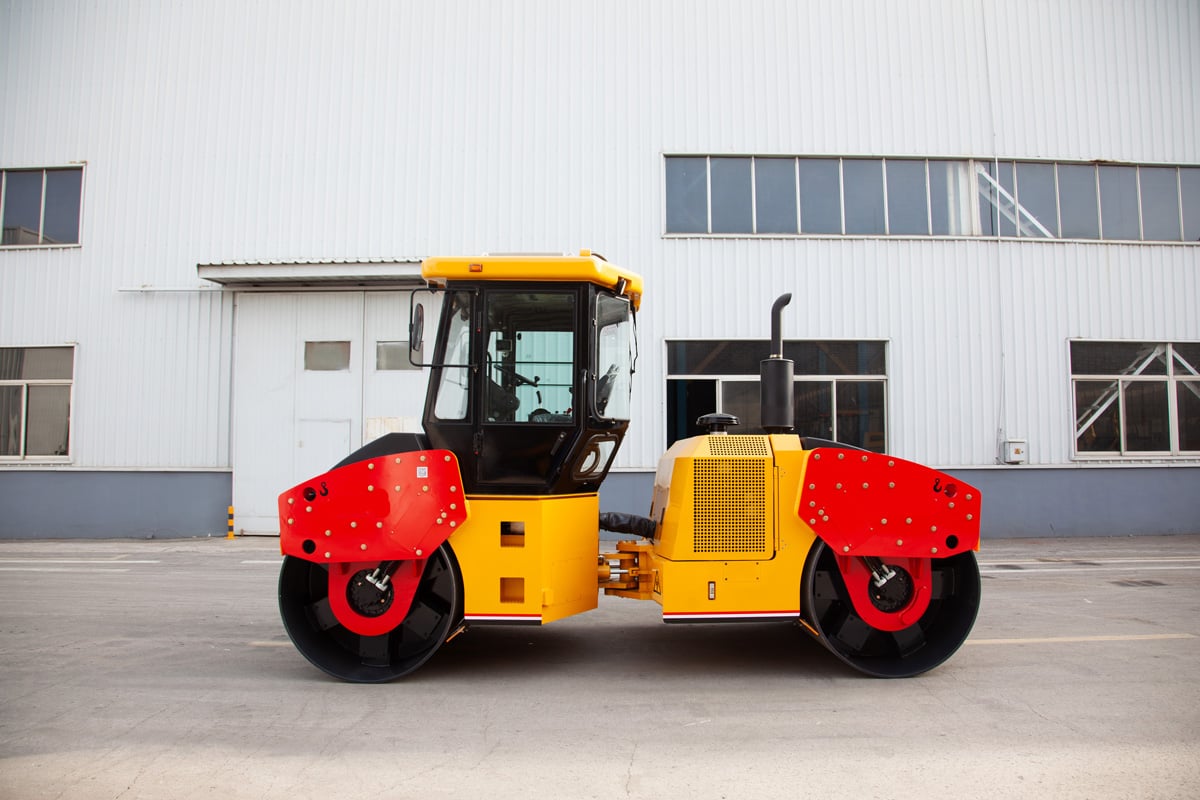
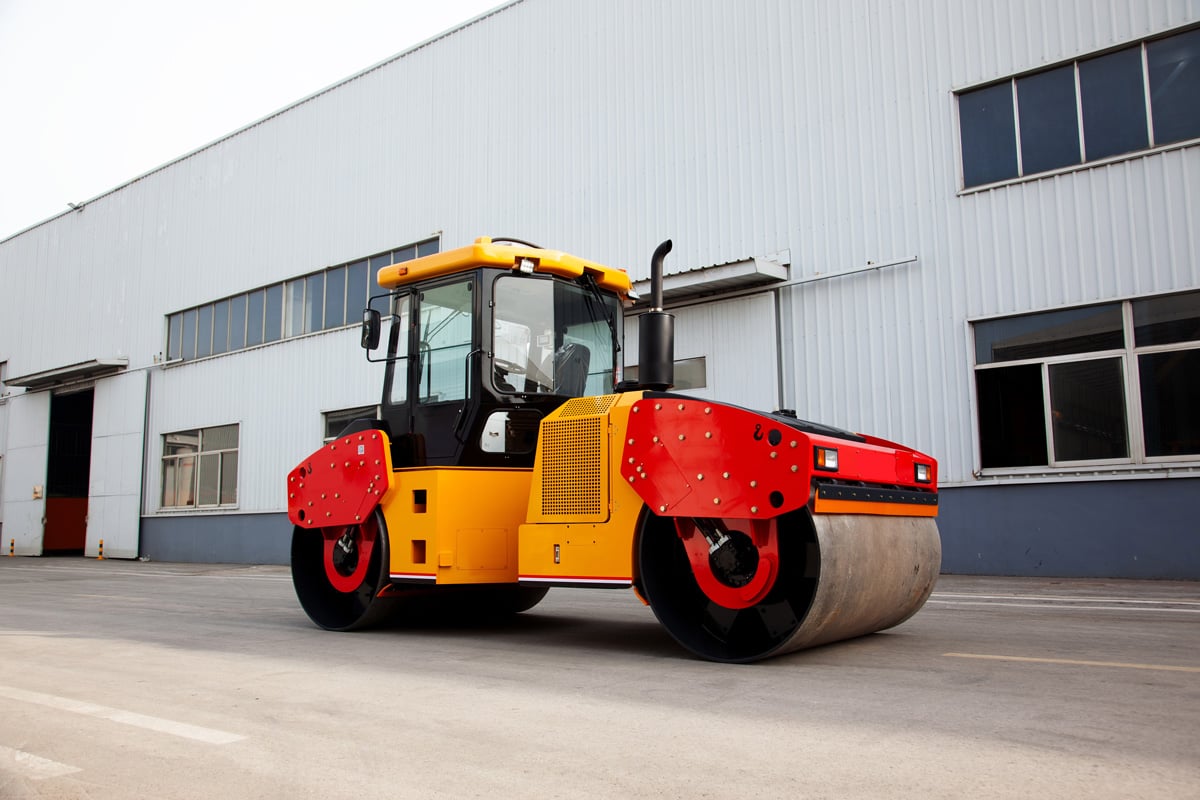
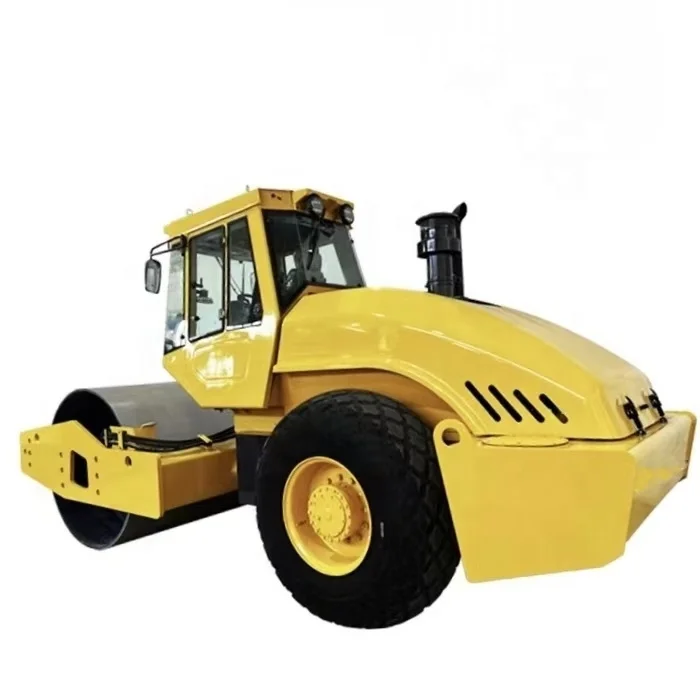
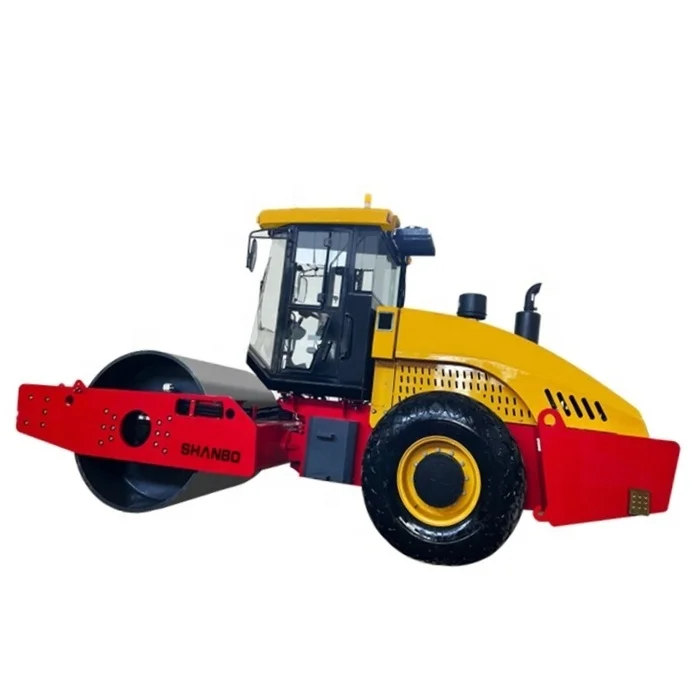
Our range of high-quality road rollers includes single-drum, double-drum, pneumatic-tire, and compact vibratory models, designed to meet diverse construction needs—from large-scale arterial infrastructure to narrow secondary roads, parking lots, and utility trench backfilling. High-tonnage single-drum rollers are ideal for thick-lift compaction of subgrade soil and granular base materials, offering high centrifugal force and deep compaction capability. Double-drum rollers are primarily used for the precise compaction of asphalt surface layers, ensuring uniform density and a high-quality finish. Pneumatic-tire rollers utilize a "kneading" action, which enhances the density and water resistance of asphalt surfaces. Meanwhile, compact rollers offer excellent maneuverability, making them perfect for repair work and compaction tasks in confined spaces.
Key Criteria for Selecting Road Rollers
When selecting a road roller, clients should make an informed decision by considering the project type, the materials to be compacted, the specified compaction density requirements, and the specific conditions of the job site.
First, determine the required compaction tonnage; a higher tonnage allows for a greater effective compaction depth. Second, distinguish between vibratory compaction and static rolling modes: vibratory rollers are preferred for earthwork subgrades, while asphalt surfacing typically requires a combination of double-drum steel-wheel rollers and pneumatic-tire rollers. Furthermore, consider factors such as ease of operation, cooling systems, vibration-dampening structures, and maintenance accessibility. In long-term construction projects, stable and reliable heavy-duty compaction equipment can significantly reduce downtime for repairs and maintenance.
Comprehensive Equipment Support Services
As a service provider specializing in construction machinery, we offer more than just high-quality rollers; we also provide end-to-end support, including site condition assessments, solution recommendations, technical consulting, and after-sales maintenance. For projects ranging from new road construction and expansion/reconstruction to ongoing maintenance and repairs, we can integrate our rollers with other machinery—such as excavators and loaders—to deliver a one-stop equipment selection solution tailored to infrastructure projects, municipal works, and site-leveling operations in mining or other sectors.
High-Quality Compaction Equipment for Robust Infrastructure Development
As construction standards and environmental requirements for infrastructure projects in China continue to rise, contractors increasingly favor heavy-duty compaction equipment that offers high performance, low failure rates, and energy efficiency. Premium-quality rollers ensure that design compaction specifications are consistently met, helping to mitigate risks such as future pavement settlement or cracking, and enabling construction firms to deliver high-standard projects. If you have any questions regarding the selection of a roller, please contact us to receive detailed model specifications and expert advice on matching the right equipment to your specific project requirements.
 Hot News
-
Handling Solutions for Granite Curbstones: On-Site Application of Portable Vacuum Lifters
2026-11-07
-
Landfill Compactor Operational Scenarios | Heavy-Duty Sanitation Equipment for Landfill Operations and Efficient Solid Waste Disposal
2026-11-07
-
22-Ton Medium-Sized Excavator: A Powerful Machine for Global Infrastructure Projects
2026-11-07
-
Heavy-Duty Construction Bulldozer | Reliable, High-Performance Tracked Earthmoving Equipment – Your One-Stop Solution
2026-11-07
-
Heavy-Duty Compaction Equipment | High-Quality Road Rollers: Selecting Machinery for Road Construction
2026-11-05
-
Applications of Different Bulldozer Models | Operating Conditions for SD16, SD22, and SD32 Bulldozers
2026-11-05