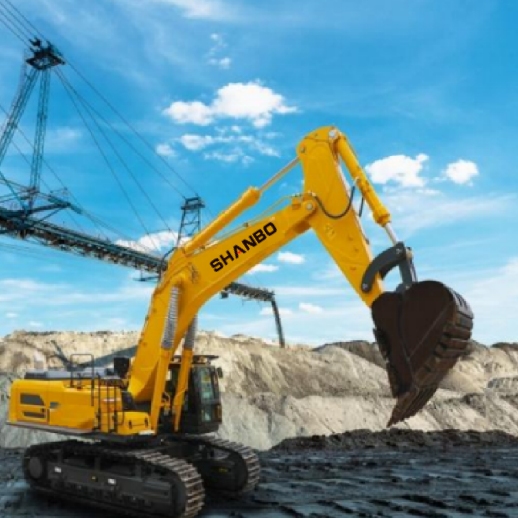
As highly versatile pieces of machinery in the engineering sector, wheel loaders are widely used across various operating environments thanks to their capabilities in shoveling, hauling, stockpiling, and leveling. Different scenarios impose distinct requirements regarding tonnage and performance specifications; selecting the right equipment effectively boosts operational efficiency and reduces operating costs.
I. Key Application Scenarios for Wheel Loaders
Infrastructure and earthworks sites are the most common environments for wheel loaders. They primarily handle earthmoving, foundation pit backfilling, site leveling, and the loading, unloading, and transfer of sand and gravel. They also work alongside excavators to load materials onto trucks, ensuring construction schedules remain on track.
In sand and gravel yards as well as small-to-medium-sized mines, wheel loaders manage stockpiling, material transfer, feeding operations, and the clearing of ore and waste rock. They frequently perform bulk material loading, placing high demands on the equipment's wear resistance.
In municipal engineering, wheel loaders are used to transport road construction materials and clear away construction debris. During winter, they can also handle snow removal and de-icing on city streets, making them well-suited for various short-distance material handling tasks in urban areas.
At ports, terminals, and freight yards, wheel loaders handle the stacking and loading/unloading of bulk commodities like coal and grain. They facilitate rapid material transfer between trucks and storage areas, thereby improving yard turnover efficiency.
At concrete batching plants and building material factories, wheel loaders primarily handle the feeding and replenishment of raw materials (such as sand and gravel) and the transport of clay and finished products. On water conservancy sites, they perform river dredging, dam filling, and riverbed material transfer. At landfills, they are used for solid waste consolidation, spreading, and soil covering.
Additionally, wheel loaders serve the agriculture, forestry, and livestock sectors by handling straw, organic fertilizer, and timber, as well as clearing and organizing sites to meet the material handling needs of agricultural production.

II. Key Factors for Selecting Wheel Loaders Based on Operating Conditions
For standard earthwork and aggregate sites, prioritize wheel loaders with moderate tonnage; this balances mobility with loading capacity, meeting daily requirements for loading and material transfer. For heavy-duty, high-frequency operations in material yards, large-tonnage models are recommended, featuring reinforced, wear-resistant buckets to withstand continuous, high-intensity work.
Small or confined spaces—such as municipal sites or farms—call for small-to-medium tonnage loaders, which offer agility and easy maneuverability. In environments with high levels of dust or debris, prioritize equipment with robust protective features to extend the machine's service life.

III. Conclusion
Wheel loaders are utilized across a wide range of sectors, including construction, mining, municipal works, material yards, and agriculture and forestry. When purchasing, selecting the most suitable equipment requires a comprehensive evaluation based on specific operating conditions, material types, and work intensity.

 Hot News