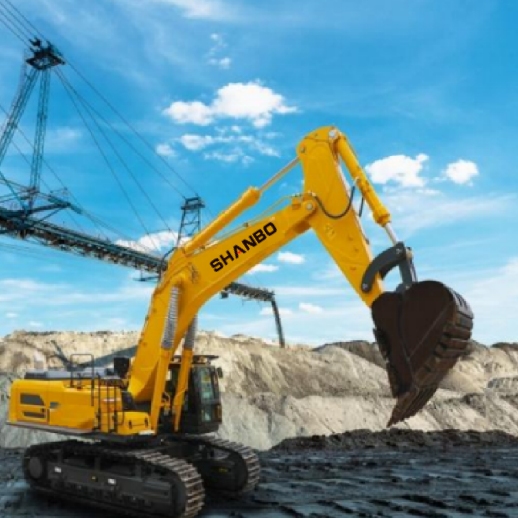
Bulldozer Operational Scenarios | Applications in Earthmoving, Infrastructure, and Mining
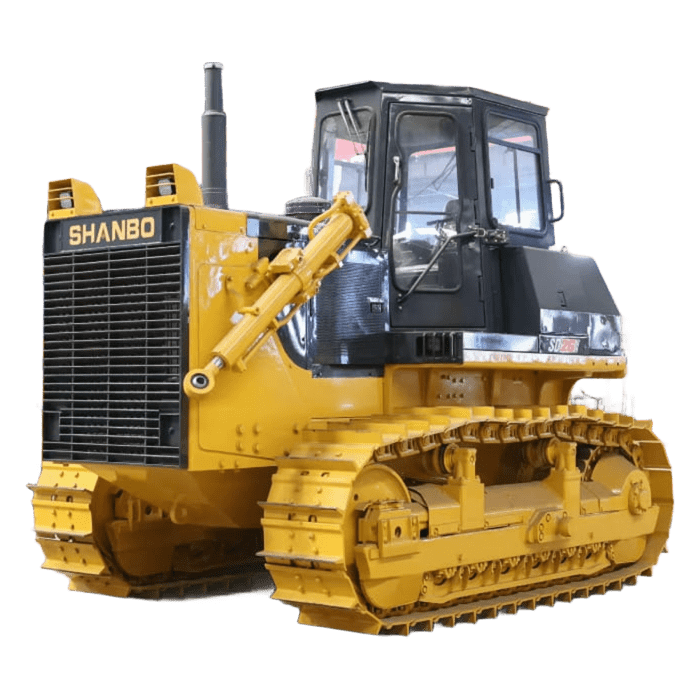
Bulldozers are vital pieces of earthmoving machinery in construction. Thanks to their immense pushing power and off-road mobility, they are widely used across various projects, with specific performance requirements varying depending on the operational scenario.
Earthmoving Operations
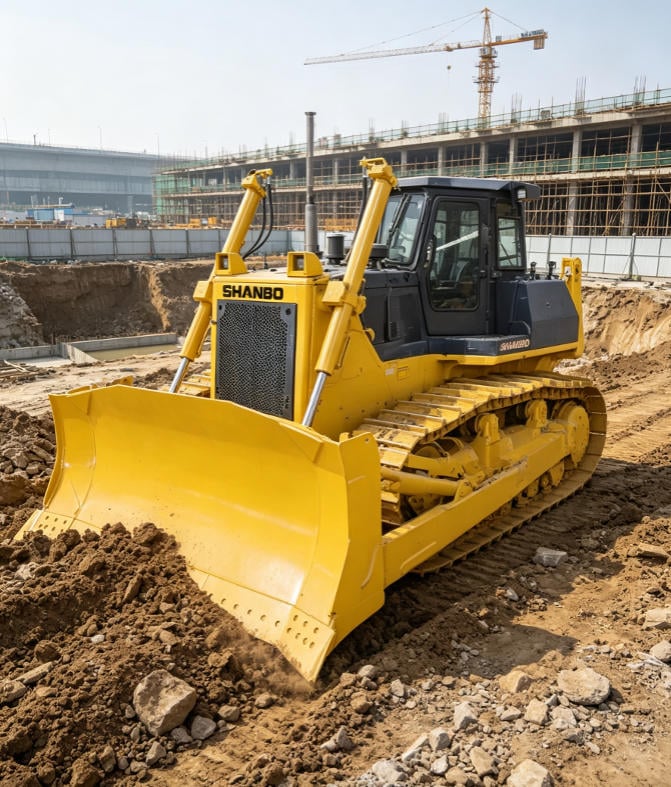
Earthmoving is the primary application for bulldozers, covering tasks such as site leveling, excavation, soil stockpiling and transport, and foundation pit backfilling. During large-scale site preparation, bulldozers can rapidly strip topsoil and push earth to designated locations, laying the groundwork for subsequent construction; they offer distinct efficiency advantages for short-distance earth transport.
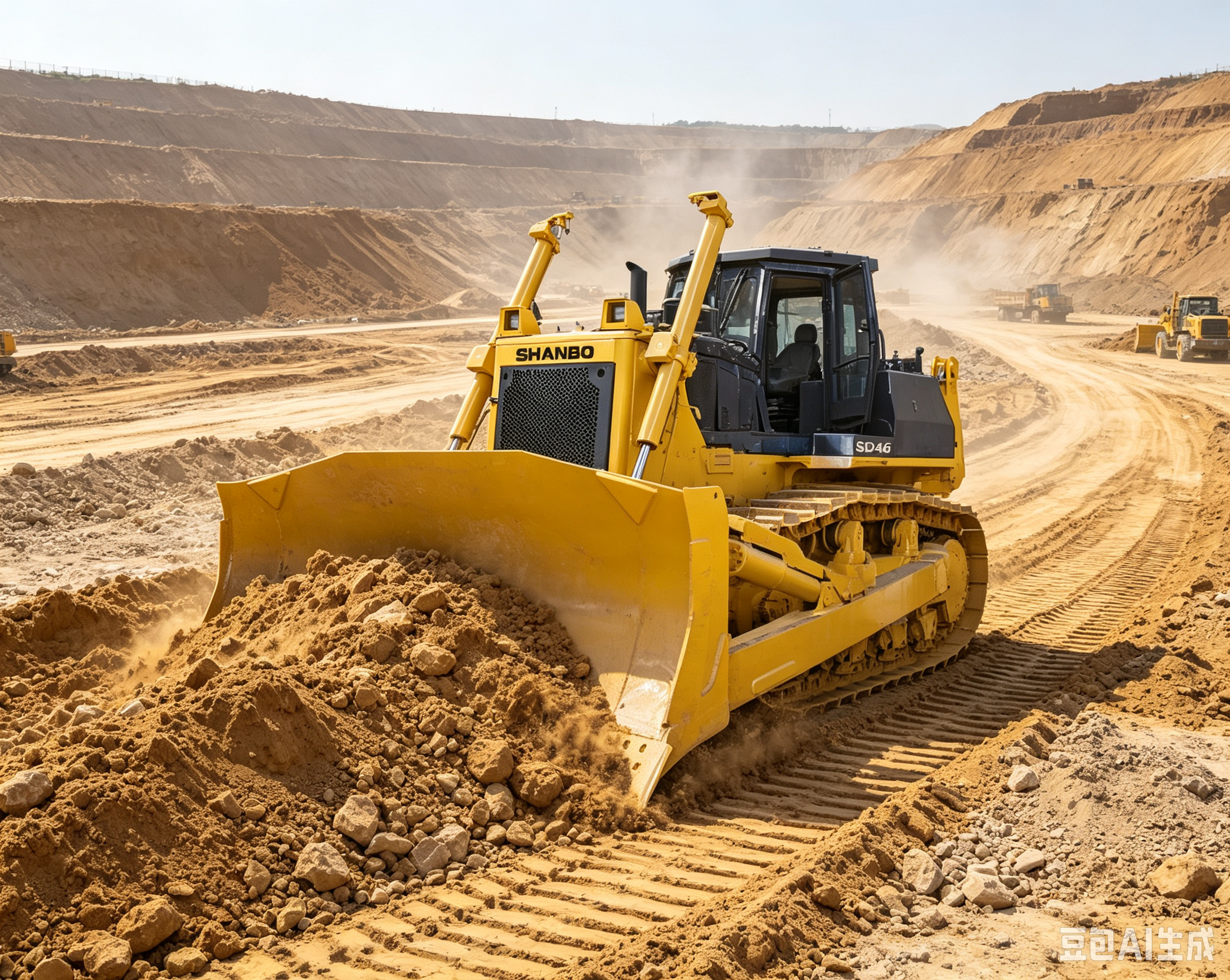
Infrastructure Construction
Bulldozers are a common sight in highway, railway, and real estate infrastructure projects. They are used to grade roadbeds and clear debris along construction routes, level sites before building begins, and handle tasks like trench excavation and dam construction, ensuring ground conditions meet construction standards.
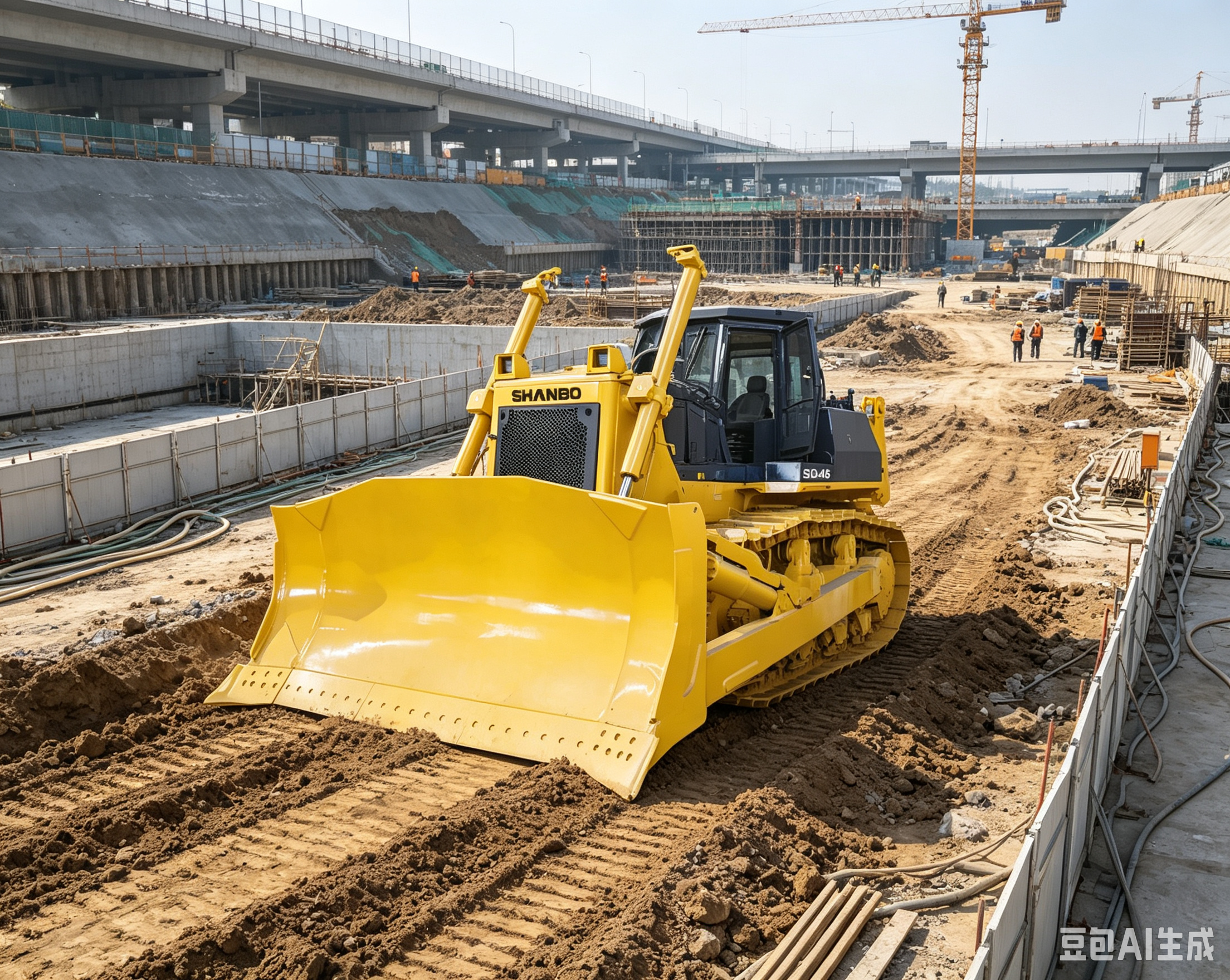
Mining Operations
Mining environments are complex; high-horsepower bulldozers handle tasks such as grading waste dumps, constructing haul roads, and piling or clearing slag. Mining-specific bulldozers feature enhanced wear and impact resistance, allowing them to operate on harsh terrain—such as loose rock or mud—and maintain access across the site.
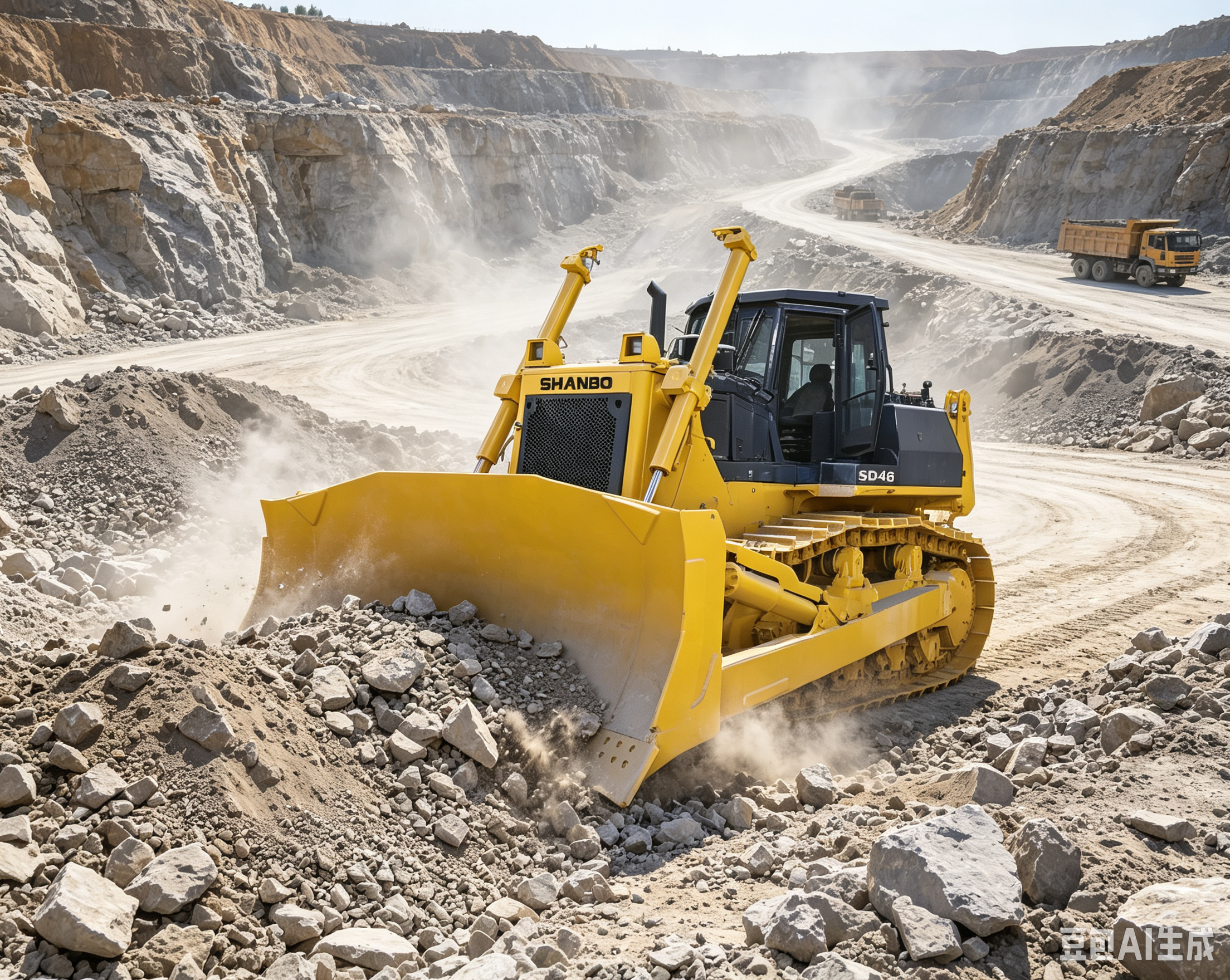
Other Common Applications
Beyond the scenarios mentioned above, bulldozers are also used for farmland renovation, water conservancy and dam construction, and post-disaster site cleanup. Selecting the right tonnage and model based on soil conditions, slope, and operational intensity can effectively boost overall construction efficiency and reduce project costs.
In summary, bulldozers are suitable for the vast majority of earthmoving tasks; selecting the right equipment for the specific operational scenario is key to maximizing the machine's value and utility.
 Hot News
-
Shantui BL75 Backhoe Loader – Special Clearance Sale: Versatile "All-in-One" Construction Machine Available Now
2026-10-15
-
Shanbo SH380 Crawler-Type Heavy-Duty Mining Excavator – Powered by Cummins for Stable, High-Performance Output
2026-10-15
-
SHANBO EW50 Electric Loader Launched: Dual-Gun Fast Charging & Long Range
2026-10-15
-
Introduction to the Backhoe Loader: What Is It? An Overview of the Multifunctional Machine
2026-10-06
-
Operational Scenarios and Applications for the 38-Ton Excavator | SHANBO Large Excavator for Mining and Infrastructure Construction
2026-10-06
-
SHANBO EW30 Electric Loader – 3-Ton Lithium-Powered Wheel Loader – Zero-Emission Loader for Mines and Construction Sites
2026-09-24