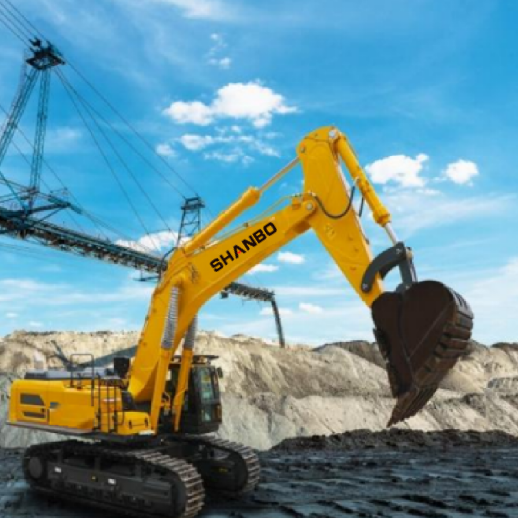
Electric Bulldozers vs. Conventional Bulldozers: Advantages of Low Noise, Zero Emissions, and High Operational Efficiency
As policies aimed at achieving "dual carbon" goals (carbon peaking and carbon neutrality) continue to advance and requirements for "green construction" become increasingly stringent, the construction industry is witnessing a transition in the power systems used for heavy machinery. As a core piece of equipment in earthmoving operations, the bulldozer has evolved into two primary categories: conventional diesel-powered bulldozers and the new generation of electric bulldozers. When upgrading equipment or selecting machinery for new projects, contractors often face the dilemma of which type to choose. This article compares the two from a practical operational perspective, highlighting the distinct advantages and ideal use cases for electric bulldozers to help project managers make choices that best align with their specific project requirements.
Fundamental Differences in Power Systems
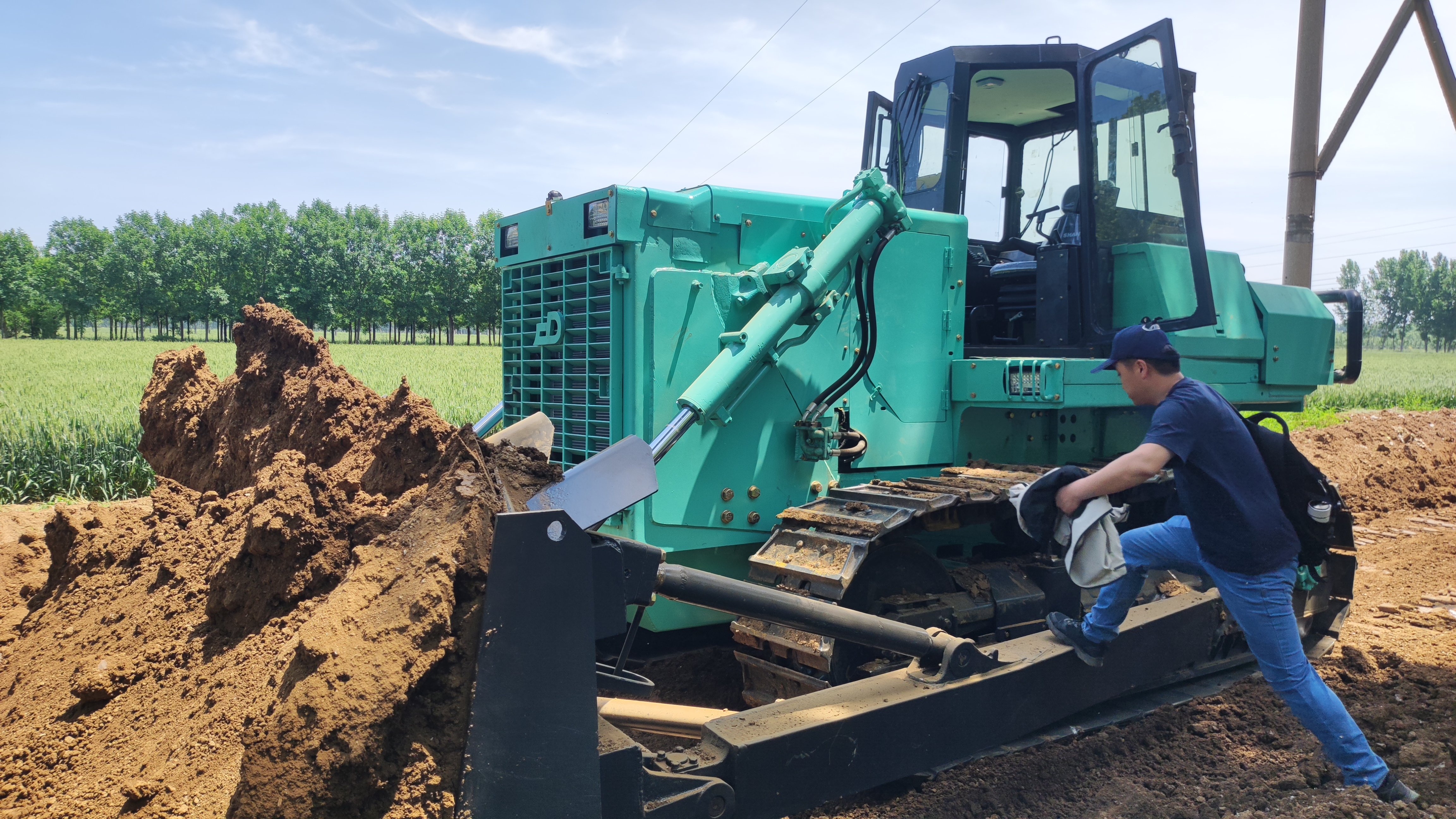
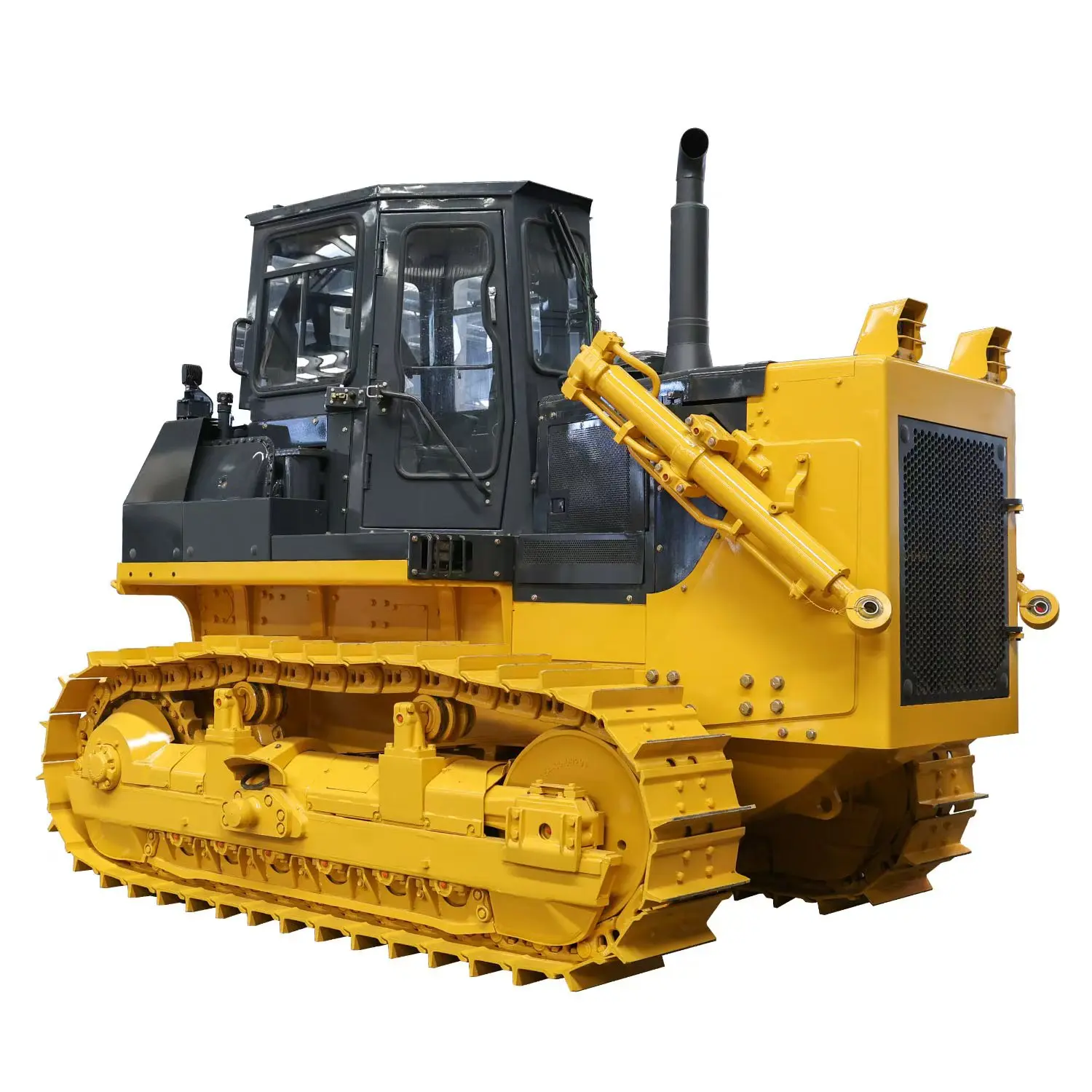
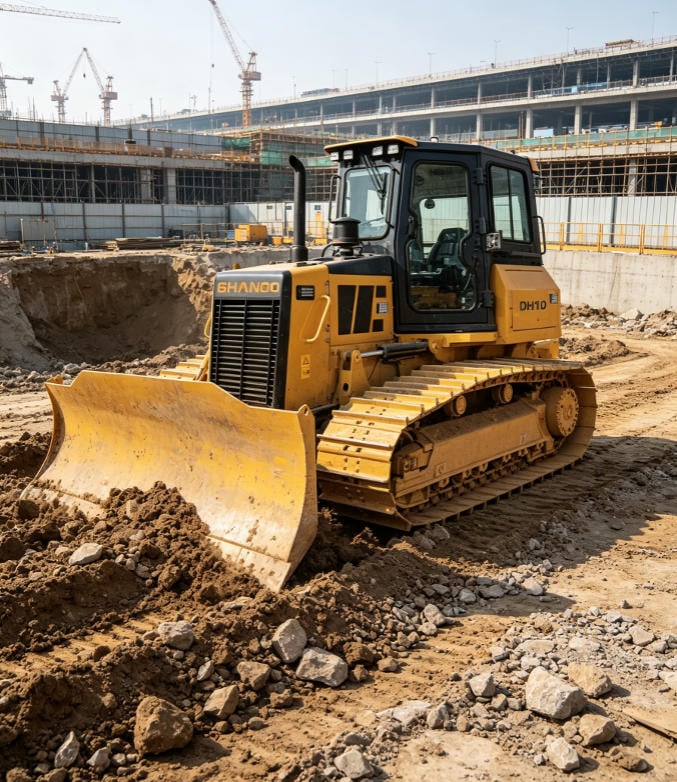
Conventional bulldozers rely on diesel engines, which generate mechanical energy through fuel combustion to power the tracks, the blade, and the hydraulic system. This power architecture is well-established, with a large installed base and an extensive network of maintenance and support services; for a long time, these machines have been the workhorses of earthmoving operations. However, internal combustion engines have inherent drawbacks—fuel consumption, exhaust emissions, and noise and vibration are unavoidable issues.
Electric bulldozers, by contrast, are powered by battery packs. Electric motors deliver power directly to the machine, resulting in a shorter power transmission chain. These machines eliminate the need for fuel tanks and complex exhaust systems, while also removing many of the wear-prone components associated with internal combustion engines. Power delivery is more immediate, with full torque available from the moment of startup—making them exceptionally well-suited for tasks like pushing earth, clearing obstacles, and site leveling, which require high, instantaneous thrust.
Environmental Impact: Zero Emissions as a Key Advantage
Conventional diesel bulldozers continuously emit exhaust gases containing pollutants such as particulate matter and nitrogen oxides. In environments like enclosed mining sites, tunnel construction, urban job sites, or agricultural land redevelopment projects near populated areas, these emissions often run afoul of strict environmental regulations.
Some cities have designated restricted zones for high-emission non-road mobile machinery, making the approval process for bringing in older, fuel-powered equipment cumbersome—or even rendering it impossible to gain site access.
Electric bulldozers achieve zero tailpipe emissions during operation, eliminating exhaust pollution. They are perfectly suited for "green" construction sites, ecological restoration projects, and indoor or semi-enclosed working environments. For projects subject to strict environmental assessments and rigorous controls on dust and exhaust emissions, these machines easily meet regulatory requirements. This reduces the risk of work stoppages or mandated rectifications due to environmental compliance issues, while also serving as a key hardware asset for construction firms aiming to set a benchmark for eco-friendly operations.
Operational Advantages: Low Noise, Reduced Public Disturbance, and Fewer Occupational Hazards
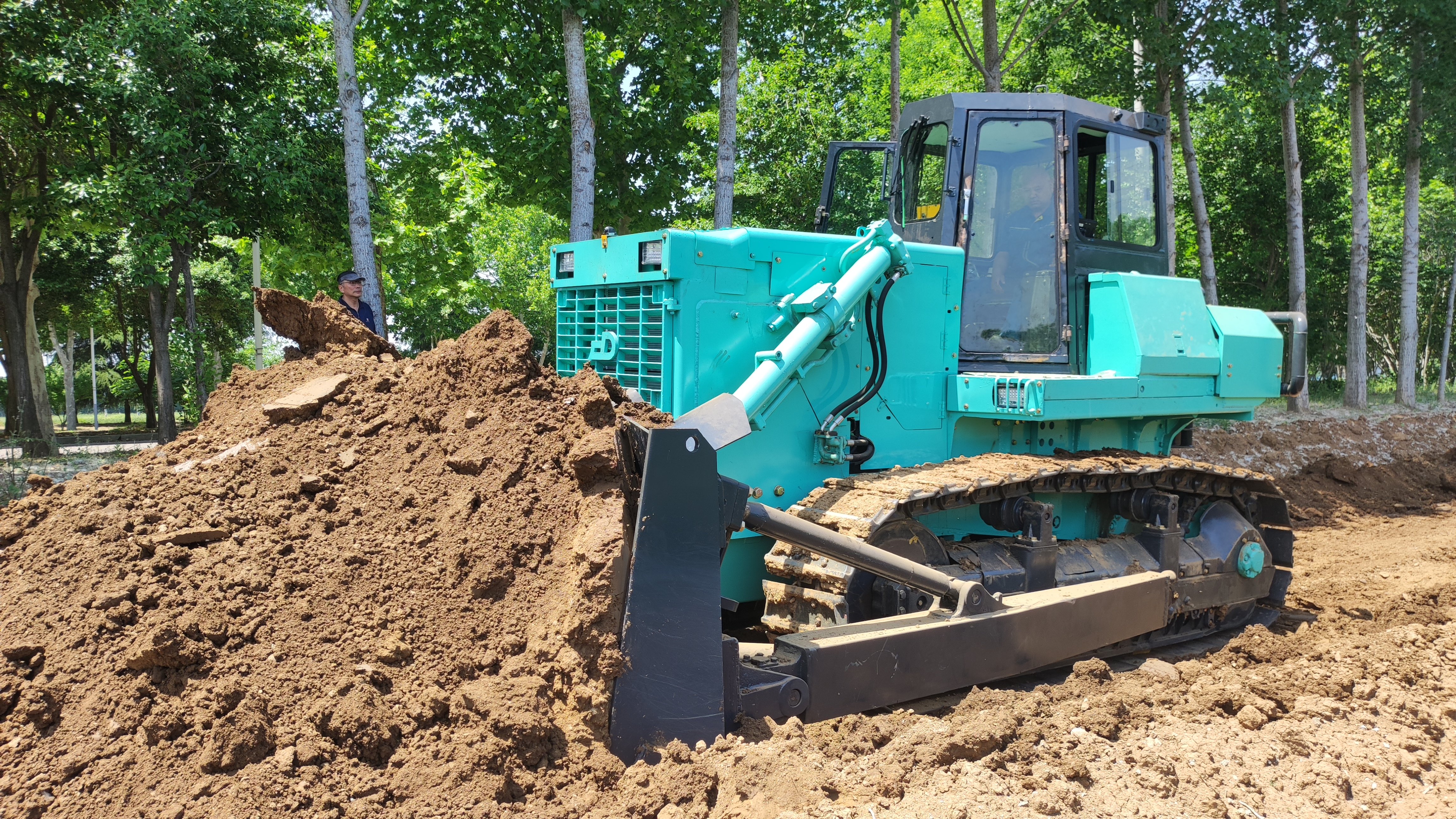
Internal combustion engines generate high-decibel noise during operation; when combined with engine vibration and exhaust noise, the overall noise level of a traditional bulldozer can be quite high. If a project is located near residential areas, schools, or towns, nighttime work is often strictly restricted, and the risk of public complaints is high. Furthermore, prolonged exposure to high-noise environments can cause chronic hearing damage to operators, forcing companies to incur higher costs for occupational health and safety management.
Electric motors produce minimal vibration and lower noise levels, resulting in superior overall noise reduction. Under identical working conditions, electric bulldozers operate much more quietly than their fuel-powered counterparts. This not only allows for flexible scheduling—enabling work near populated areas—but also improves the environment inside the cab, reducing operator fatigue and enhancing both comfort and safety during long shifts.
Comparison of Construction Efficiency and Power Performance
Many in the industry hold the preconceived notion that electric equipment lacks power and is unsuitable for heavy-duty earthmoving tasks. However, thanks to advancements in battery and electronic control technologies, modern, mature electric bulldozers now offer better torque characteristics than fuel-powered models. They deliver powerful initial thrust, with stable power output when the blade engages with the earth or pushes material—all without the lag typically associated with the RPM ramp-up of a diesel engine.
The efficiency of fuel-powered bulldozers is significantly influenced by fuel quality, engine operating conditions, altitude, and temperature. During prolonged, heavy-duty operations, these machines are prone to spikes in fuel consumption and a noticeable loss of power. In contrast, electric bulldozers deliver consistent power output, with electronic control systems that precisely match the machine's output to the load. This ensures a steady operational pace for routine earthmoving tasks such as site leveling, debris clearing, and shallow topsoil stripping. Furthermore, the simpler architecture of electric motors—featuring fewer potential points of failure—reduces the likelihood of unplanned downtime, thereby ensuring greater continuity in project execution.
Differences in Operating Costs: Energy Consumption and Maintenance
For traditional bulldozers, the largest daily expense is diesel fuel; fluctuations in fuel prices directly inflate project costs. When combined with routine maintenance requirements—such as replacing oil and fuel filters, servicing the engine, and maintaining the exhaust system—these long-term operating expenses remain a persistent factor.
Electric bulldozers offer significantly lower energy costs compared to the fuel consumption required for equivalent workloads, providing a clear advantage during long-term, high-frequency operations. Because they lack components like engine oil, fuel injectors, and turbochargers, the scope of routine maintenance is greatly reduced, leading to lower labor hours and lower costs for replacement parts. It should be noted, however, that the battery is a critical, consumable component, and the initial capital investment for electric equipment is higher. Consequently, they are best suited for operations with stable project timelines and high annual utilization rates; for short-term or sporadic rental scenarios, a thorough cost-benefit analysis is recommended.
Choosing the Right Equipment for the Right Application
The primary advantage of traditional fuel-powered bulldozers lies in the convenience of refueling—a process that takes only minutes to restore full operational capacity. They are well-suited for remote, off-grid locations, projects requiring continuous heavy-duty work over several days, or operations involving frequent long-distance relocation. They also benefit from a mature support ecosystem, making emergency repairs relatively straightforward.
Electric bulldozers are better suited for environments with reliable power access, such as urban infrastructure projects, site preparation for industrial parks, ecological restoration, fixed operational zones within mines, or large-scale agricultural land improvement. For projects subject to requirements regarding environmental ratings, noise control, or "green and civilized" construction site assessments, electric-powered models offer a significant advantage in terms of compliance scoring. Many industrial parks and large-scale mining sites are already equipped with charging infrastructure, and the systems for managing equipment charging are becoming increasingly sophisticated—further enhancing the value of utilizing new-energy machinery.
Conclusion: Neither Type Is Inherently Superior; Choose Based on Specific Needs
With their zero-emission, low-noise, rapid power response, and simplified maintenance, electric bulldozers represent the future of green construction. Meanwhile, traditional fuel-powered bulldozers remain essential for many projects, offering flexible refueling and the ability to operate in remote, off-grid environments. When selecting equipment, construction firms should look beyond the machines themselves and consider a range of factors, including local environmental policies, power supply availability, annual operating hours, and budgetary cycles. As energy storage and fast-charging technologies continue to evolve, the application scope for new-energy earthmoving equipment will keep expanding, serving as a key driver for the green transformation of earthwork operations.
 Hot News
-
Multifunctional Wheel Loader: For Material Handling in Aggregate Yards and Earthmoving Operations in Mines
2026-10-29
-
Electric Bulldozers vs. Conventional Bulldozers: Advantages of Low Noise, Zero Emissions, and High Operational Efficiency
2026-10-29
-
Overseas Clients Visit Factory to Procure SH380-8 Excavators and SD32 Bulldozers for Mining Operations
2026-10-29
-
24-Ton Excavator: A Stable and Reliable One-Stop Solution for Infrastructure, Mining, and Material Handling
2026-10-27
-
Loader Applications Across Diverse Operating Conditions: A Comprehensive Guide to Real-World Use Cases for Every Operational Need
2026-10-27
-
Versatile 38-Ton Excavator: An Efficient Solution for Mining, Road Construction, and Earthmoving Challenges
2026-10-27