Suitable Work Scenarios for 20-Ton and 38-Ton Excavators: An Analysis of Operating Conditions by Tonnage
Introduction: The Importance of Selecting the Right Excavator Tonnage
Excavators are core pieces of equipment in a wide range of projects—including infrastructure development, earthworks, mining, and rural construction—and the choice of tonnage directly determines operational efficiency, costs, and suitability for the task at hand. As two of the most widely used tonnage classes in the construction market, 20-ton and 38-ton excavators cover the vast majority of small-to-medium and medium-to-large scale construction scenarios. When selecting equipment, contractors often face issues such as equipment underutilization, low efficiency, or poor site compatibility due to a lack of understanding regarding which operating conditions suit specific tonnages. This article provides a detailed breakdown of the core work scenarios for 20-ton and 38-ton excavators, compares their operational strengths, and offers professional guidance for equipment selection.
I. Core Work Scenarios and Operational Advantages of 20-Ton Excavators
The 20-ton excavator is a standard, versatile piece of small-to-medium construction machinery. Key characteristics include a compact, agile body, moderate fuel consumption, strong site adaptability, and excellent cost-effectiveness. It is a mainstay for precision work and small-to-medium scale projects, serving as a primary machine for civil infrastructure and municipal engineering.
In the municipal engineering sector, the 20-ton excavator sees the most widespread use, perfectly suited for tasks such as urban road renovation, utility trenching, landscaping, pavement breaking, and municipal waste removal. Its compact dimensions and tight turning radius allow for agile operation in narrow urban streets, residential areas, and confined city construction sites, ensuring work is not hindered by excessive machine size. At the same time, it delivers sufficient power to handle standard municipal earthworks, including excavation and backfilling.
The 20-ton excavator also demonstrates outstanding advantages in rural infrastructure and farmland improvement projects.
For projects such as rural homestead leveling, farm road construction, ditch excavation, fishpond renovation, and farmland reclamation, the workload is moderate and the workspace is often limited, preventing the entry of high-tonnage machinery. In contrast, the 20-ton excavator offers a balanced size and agile operation; it efficiently handles tasks like earthmoving, ground leveling, and ditch dredging, making it well-suited for various small-to-medium rural infrastructure projects.
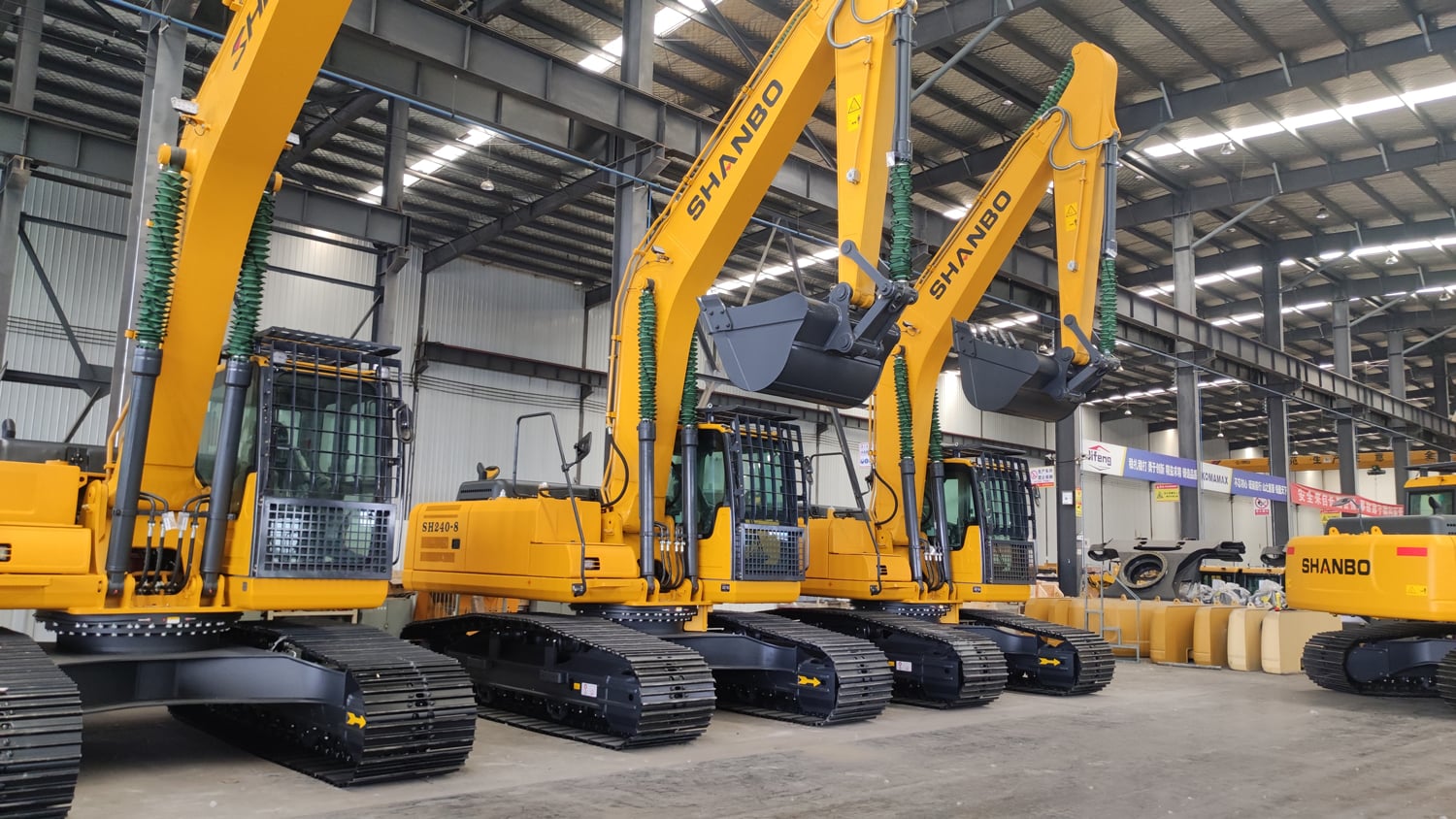
Additionally, the 20-ton excavator is suitable for light-to-medium-duty applications such as foundation excavation for small-to-medium residential developments, landscaping, small-scale earth and rock transport, and old building demolition. Balancing efficiency with cost-effectiveness, it is an essential piece of equipment for small and medium-sized projects.
II. Core Application Scenarios and Operational Advantages of 38-Ton Excavators
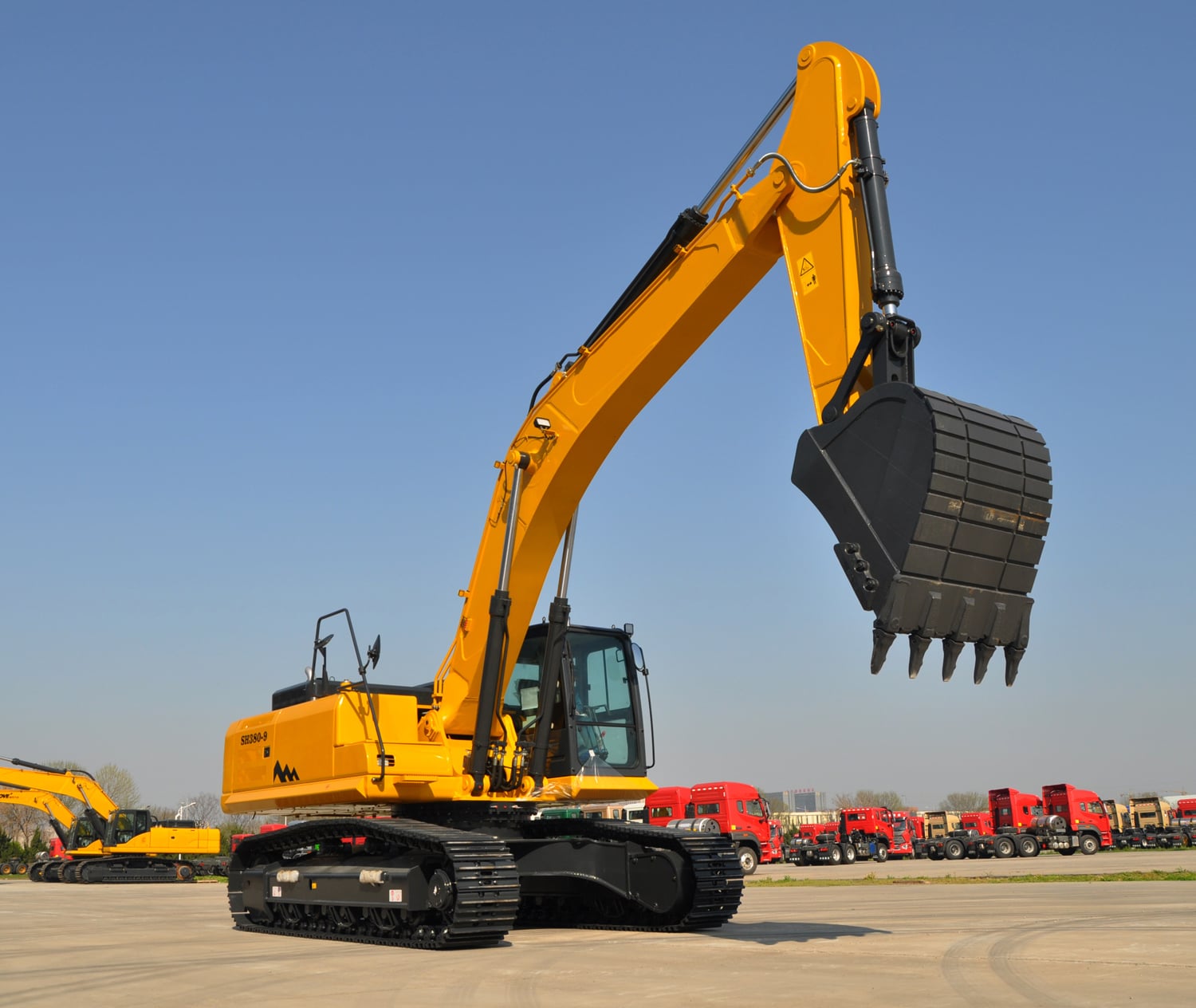
The 38-ton excavator is classified as medium-to-large construction equipment. Equipped with a high-power powertrain, it delivers strong digging force, large bucket capacity, and high operational stability. It is designed for high-volume, high-intensity, and heavy-load scenarios—such as large-scale infrastructure, mining, and major earthworks—serving as a core asset for heavy-duty construction.
Large-scale earthworks represent the primary application for 38-ton excavators, covering tasks like extensive site leveling, large foundation excavations, roadbed earth and rock filling, river widening and dredging, and massive earthmoving operations. Compared to 20-ton models, the 38-ton machine moves more material per cycle and offers significantly higher efficiency. It rapidly handles large volumes of earth and rock, effectively shortening construction timelines—making it ideal for projects with tight schedules and heavy workloads.
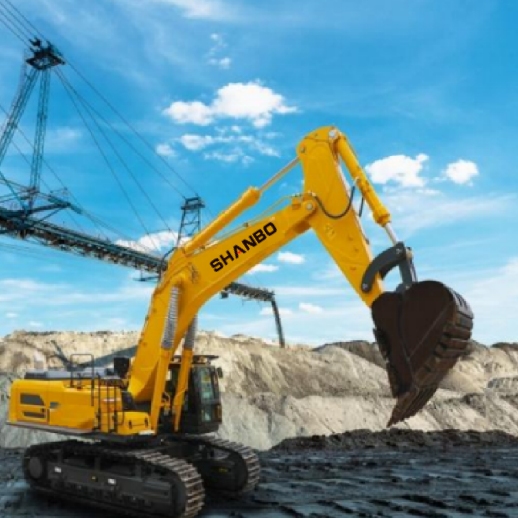
The 38-ton excavator plays a pivotal role in mining and stone processing operations. Heavy-duty tasks—such as overburden stripping, ore loading, site leveling, and spoil removal—demand exceptional digging force, stability, and wear resistance from the equipment.
With substantial counterweight and powerful performance, the 38-ton excavator is capable of digging through hard soil and rock layers. It meets the demands of high-intensity, continuous operation in mining environments, serving as a primary machine for open-pit mining operations.
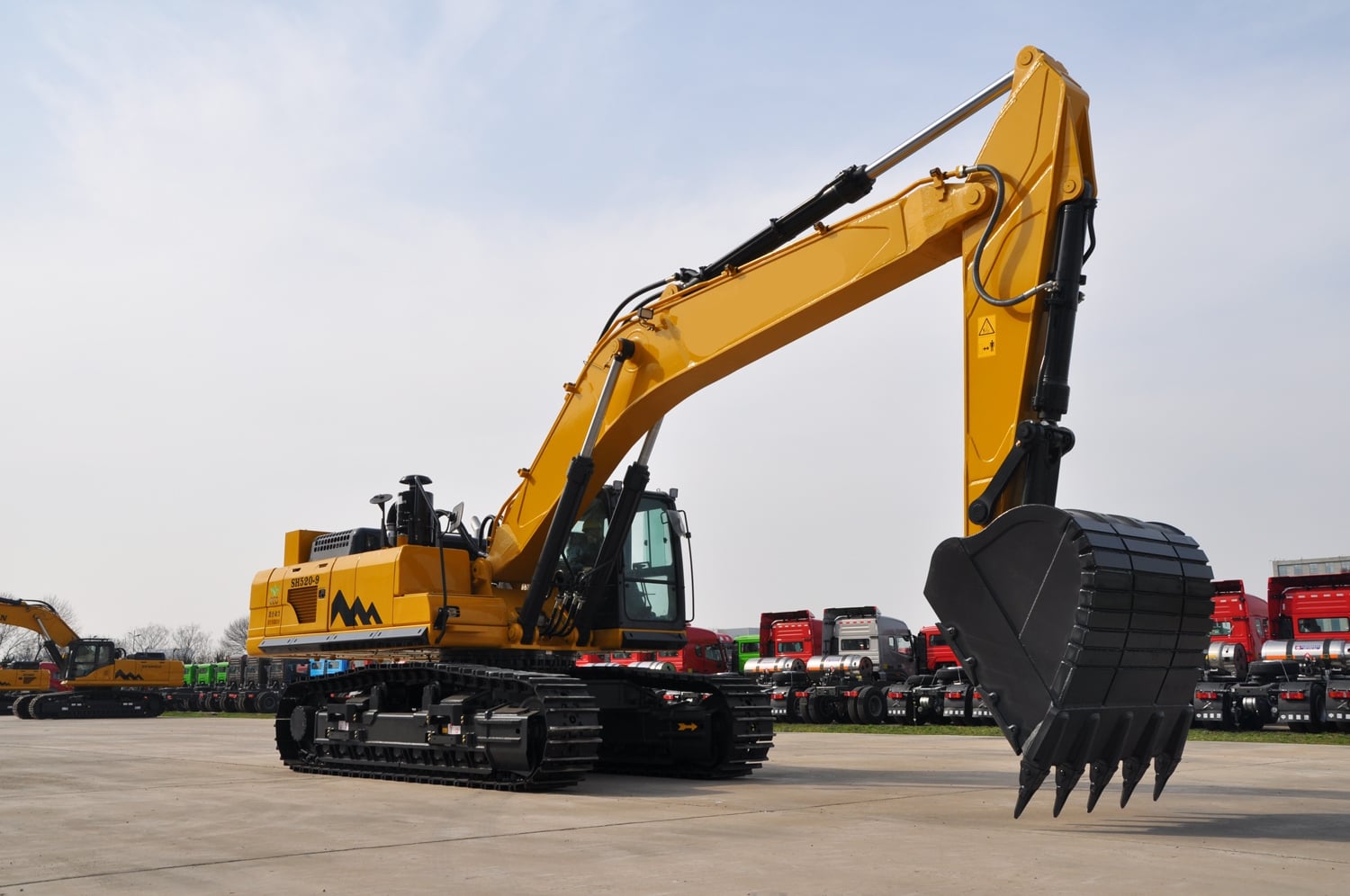
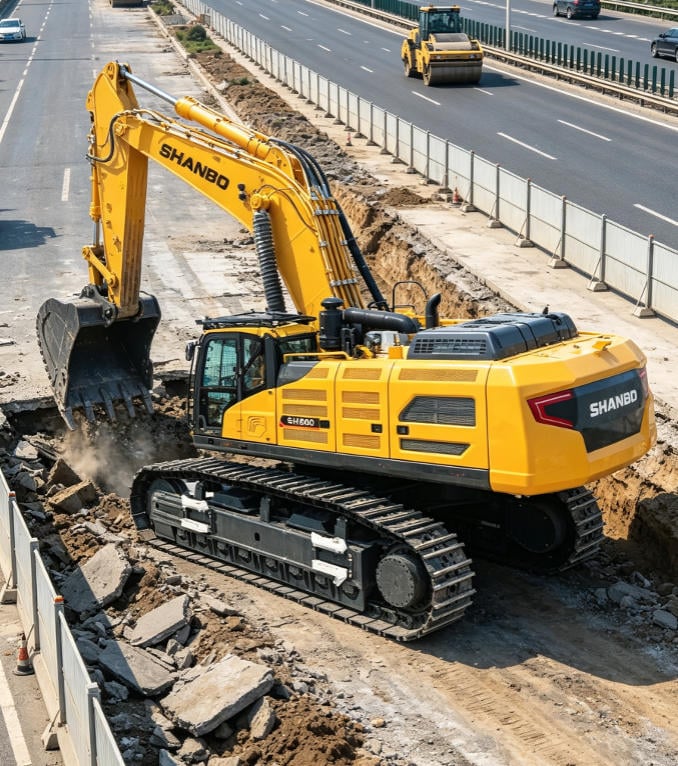
Additionally, 38-ton excavators are widely used in key national projects—such as highway and railway infrastructure and large-scale water conservancy works—where they handle demanding tasks like deep roadbed excavation, dam reinforcement, and large-scale trenching, meeting the rigorous standards required for major engineering projects.
III. Key Differences in Operating Conditions and Selection Tips: 20-Ton vs. 38-Ton Excavators
In terms of operating intensity, the 20-ton excavator is suited for light-to-medium-duty, routine construction, excelling in precision, small-scale, and agile tasks; the 38-ton excavator is designed for heavy-duty, high-intensity work, focusing on high-volume, high-efficiency, and heavy-load operations. Regarding the work site, the 20-ton excavator is ideal for confined spaces, urban areas, and small rural sites, whereas the 38-ton excavator is better suited for expansive sites, mines, and large-scale water conservancy or infrastructure projects.
From a cost perspective, selecting a 20-ton excavator for smaller projects results in lower fuel consumption and reduced rental or purchase costs, avoiding the waste of equipment resources. Conversely, choosing a 38-ton excavator for large-scale earthworks and mining projects significantly boosts efficiency, shortens project timelines, and lowers labor costs, offering superior overall cost-effectiveness.
IV. Conclusion
There is no absolute superiority or inferiority between 20-ton and 38-ton excavators; the choice depends entirely on the specific application scenario. The 20-ton excavator is suited for municipal works, rural infrastructure, small-scale earthworks, and landscaping—tasks requiring precision and moderate scale. The 38-ton excavator is designed for heavy-duty operations such as large-scale earthworks, mining, and major water conservancy or highway infrastructure projects. By accurately selecting the right machine based on project scale, site conditions, and operating intensity, contractors can maximize equipment performance, enhance efficiency, and effectively control project costs.
 Hot News
-
Shantui BL75 Backhoe Loader – Special Clearance Sale: Versatile "All-in-One" Construction Machine Available Now
2026-10-15
-
Shanbo SH380 Crawler-Type Heavy-Duty Mining Excavator – Powered by Cummins for Stable, High-Performance Output
2026-10-15
-
SHANBO EW50 Electric Loader Launched: Dual-Gun Fast Charging & Long Range
2026-10-15
-
Introduction to the Backhoe Loader: What Is It? An Overview of the Multifunctional Machine
2026-10-06
-
Operational Scenarios and Applications for the 38-Ton Excavator | SHANBO Large Excavator for Mining and Infrastructure Construction
2026-10-06
-
SHANBO EW30 Electric Loader – 3-Ton Lithium-Powered Wheel Loader – Zero-Emission Loader for Mines and Construction Sites
2026-09-24