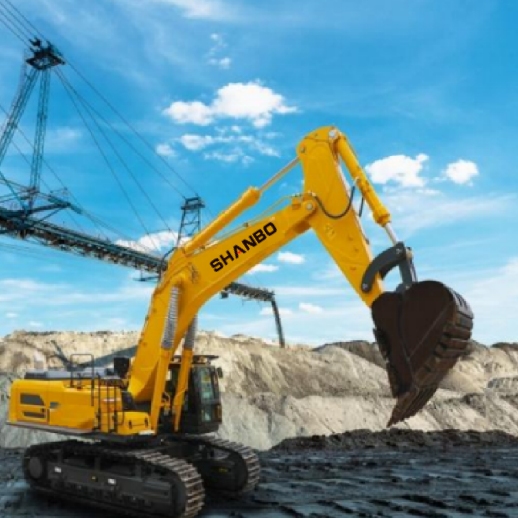
The Best Earthmovers and Excavators for Civil Engineering
Civil engineering projects have extremely high requirements for mechanical equipment, which must possess strong power, excellent reliability, diverse functions, and be capable of handling various tasks ranging from large-scale earthwork operations to precise excavation. Selecting the right equipment is crucial for improving efficiency, controlling costs, and ensuring the success of the project.
Earthmovers and excavators have become the backbone of modern infrastructure construction, completing complex tasks such as road construction, foundation excavation, and large-scale site leveling with extremely high speed and precision.
Understanding Earthmovers and Excavators
Earthmoving equipment refers to a broad category of heavy machinery, specifically designed for moving soil, rocks, and various other materials. Within this category, the excavator is the core branch, specifically designed for excavation, trenching, and material handling operations. These machines are usually equipped with a rotatable cab, hydraulic arms, and buckets, enabling them to perform a wide range of tasks in various projects such as construction, mining, and infrastructure development.
In civil engineering, selecting the right machine depends on several factors, including terrain conditions, project scale, material type, and required precision.
Key Types of Earthmovers for Civil Engineering
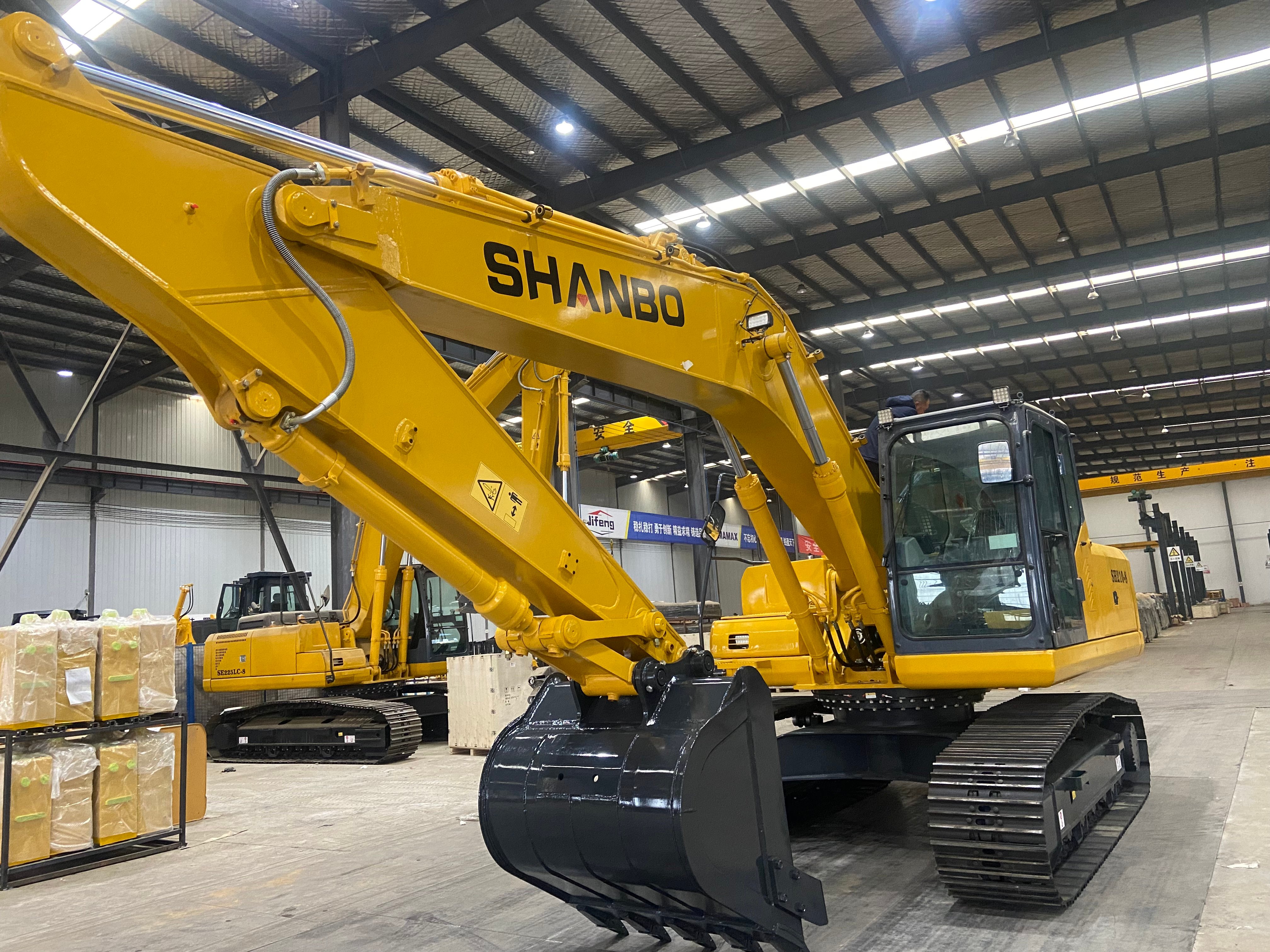
1. Crawler Excavators (Tracked Excavators)
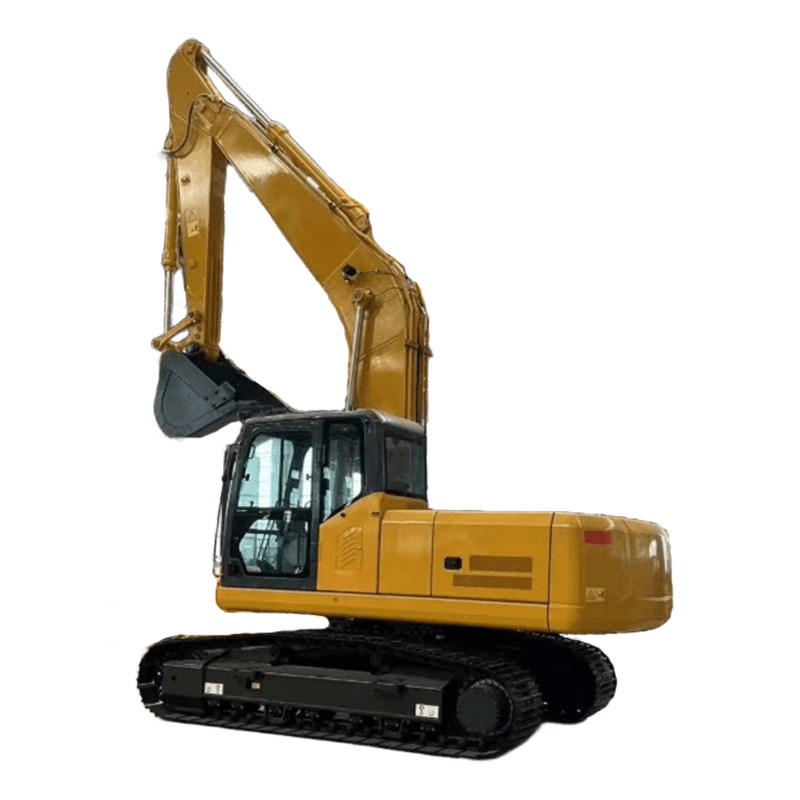
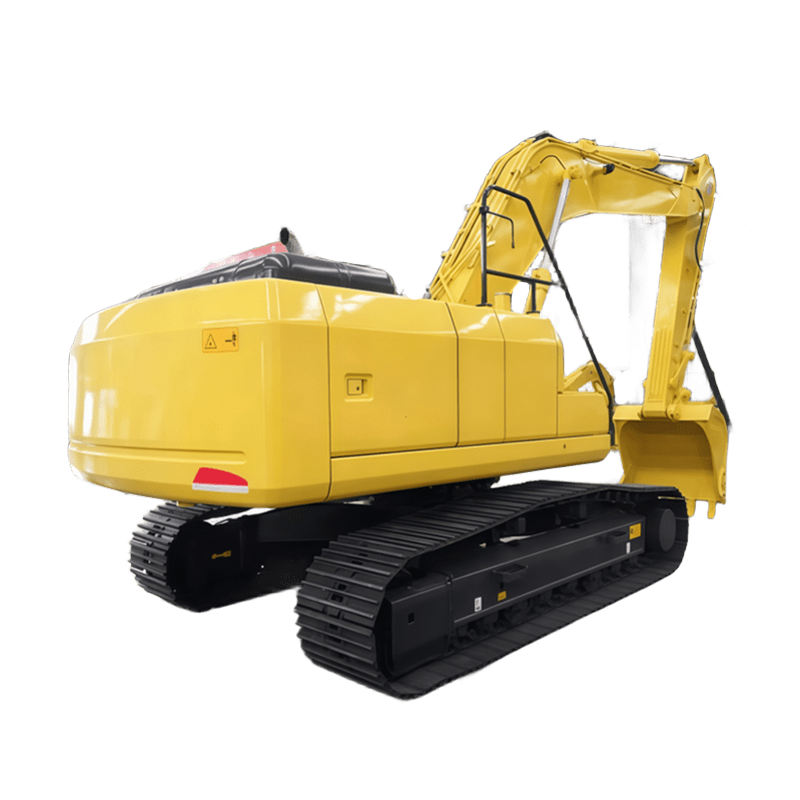
Crawler excavators are widely regarded as the most core and indispensable mechanical equipment in the field of civil engineering. With their track-type chassis, they possess excellent stability and traction, making them the ideal choice for operations on rough, muddy, or uneven terrains.
Their powerful overload capacity and ability to operate continuously in harsh environments make them indispensable in infrastructure construction projects such as roads, bridges, and dams. Although their moving speed is slightly slower than that of wheeled machinery, their advantages in balance and power are sufficient to compensate for this speed limitation.
2. Wheeled Excavators
Wheeled excavators have superior maneuverability and driving speed, and are particularly suitable for pavement construction or operations in urban road conditions. In urban civil engineering projects, such as road construction and municipal pipeline projects where frequent relocation is required, wheeled excavators are particularly practical and efficient.
While they lack the traction of crawler models, their high efficiency in urban environments makes them the preferred equipment for municipal construction and maintenance tasks.
3. Mini and Compact Excavators
For projects with limited site space, mini excavators are highly favored due to their excellent maneuverability and precision. These devices are ideal for residential construction, landscaping, and pipeline installation operations in narrow areas.
Despite their small size, they are capable of handling a wide range of tasks, including digging trenches, leveling the site, and light demolition operations. Moreover, due to their relatively low impact on the ground, these devices are particularly suitable for projects that require the careful protection of the surface environment.
4. Long-Reach Excavators
Long-reach excavators are specially designed for special application scenarios that require extremely long digging distances. With an ultra-long working arm that can extend up to 100 feet (approximately 30 meters), these machines become ideal tools for dredging waterways, river maintenance, and the demolition of high-rise buildings.
In civil engineering, they are particularly valuable for projects involving deep excavation or work in hard-to-reach areas, such as canals and embankments.
Other Essential Earthmoving Equipment
Although excavators hold a central position in civil engineering, other earthmoving machinery also plays equally important roles:
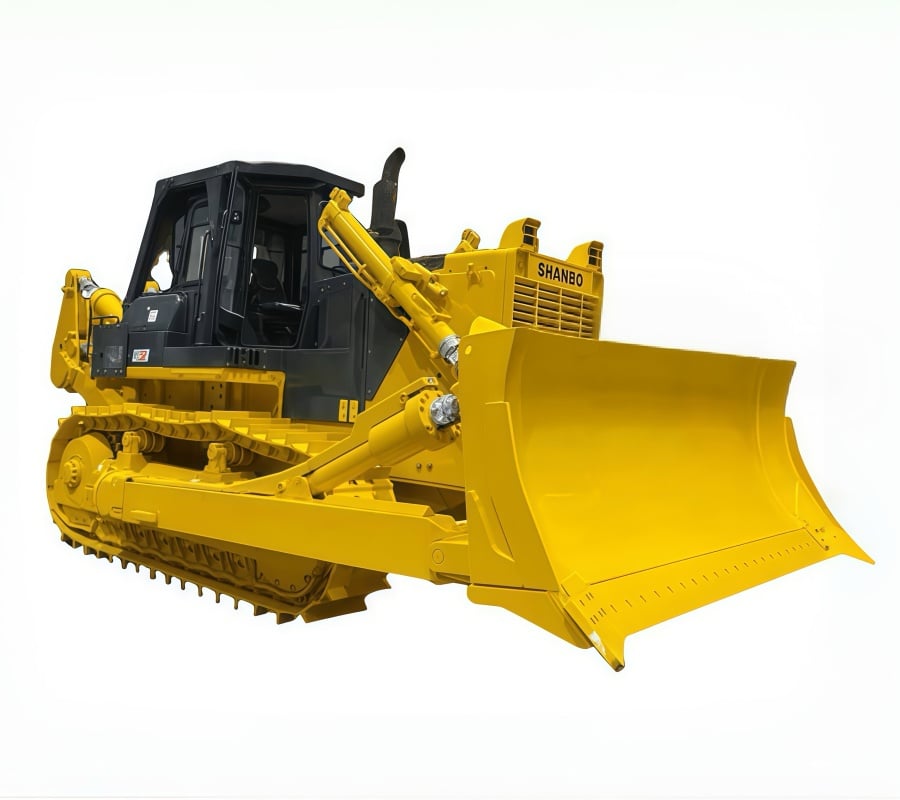
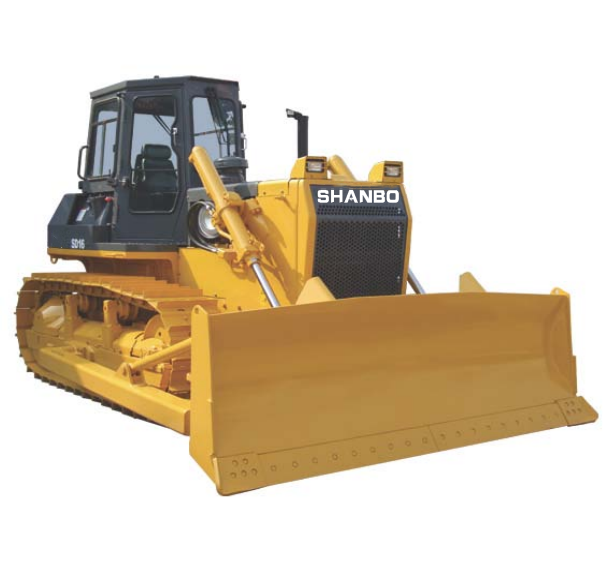
- Bulldozers: Used for pushing large quantities of soil, clearing land, and rough grading.
- Wheel Loaders: Ideal for loading materials such as gravel, sand, and debris into trucks.
- Motor Graders: Essential for creating smooth and level surfaces, especially in road construction.
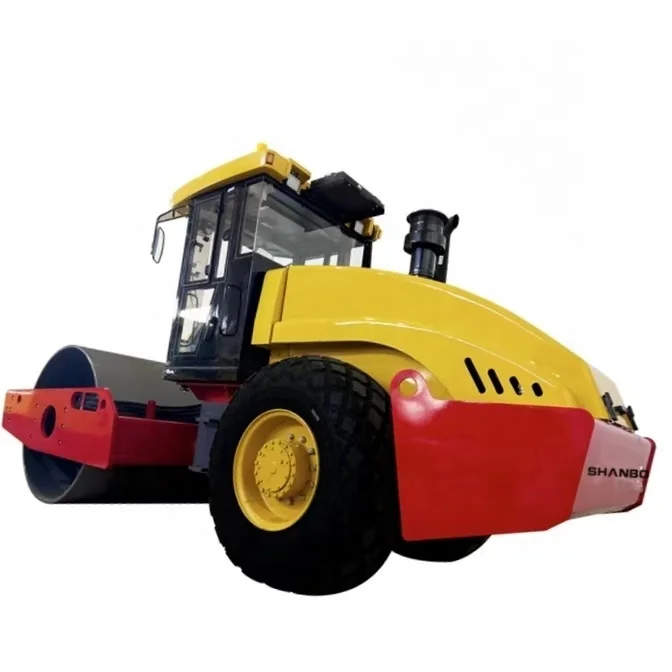
- Compactors and Rollers: Used to compress soil and asphalt, ensuring structural stability.
These machines work together with excavators to create a complete earthmoving solution for civil engineering projects.
Factors to Consider When Choosing Equipment
Selecting the best earthmover or excavator requires careful evaluation of project requirements:
- Terrain: Tracked machines perform better on soft or uneven ground, while wheeled machines excel on hard surfaces.
- Project Scale: Large projects require high-capacity machines like crawler excavators.
- Precision Needs: Compact excavators are better suited for detailed work in confined spaces.
- Mobility: Wheeled machines are ideal for projects requiring frequent relocation.
Choosing the right equipment improves productivity, reduces operational costs, and enhances safety on the job site.
Conclusion
The best earthmovers and excavators for civil engineering should possess power, versatility and excellent reliability. From crawler excavators that can handle heavy loads to small machines that can operate flexibly in confined spaces, each type of equipment plays a crucial role in modern construction.
By thoroughly understanding the advantages of various types of machinery and selecting the most suitable equipment for specific projects, civil engineering companies can achieve higher productivity and better project outcomes.
For industry-leading manufacturers like Shanbo, offering a comprehensive range of construction equipment—including excavators, bulldozers, loaders, and graders—ensures the ability to meet diverse project demands and deliver high-performance solutions across the civil engineering sector.
 Hot News
-
24-Ton Excavator: A Stable and Reliable One-Stop Solution for Infrastructure, Mining, and Material Handling
2026-10-27
-
Loader Applications Across Diverse Operating Conditions: A Comprehensive Guide to Real-World Use Cases for Every Operational Need
2026-10-27
-
Versatile 38-Ton Excavator: An Efficient Solution for Mining, Road Construction, and Earthmoving Challenges
2026-10-27
-
17-Ton Class Hydraulic Crawler Bulldozer | Versatile Blade Options for Mining, Infrastructure, and Earthmoving Projects
2026-10-27
-
Comprehensive Coverage of Bulldozer Applications: Tailored Selection for All Your Earthmoving Needs
2026-10-27
-
Shantui BL75-C SD Backhoe Loader – Special Clearance Sale
2026-10-23