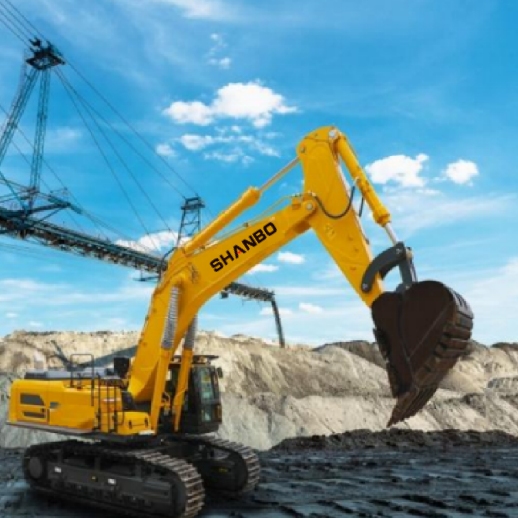
The History and Evolution of the Power Shovel Excavator
The power shovel excavator stands as one of the most influential machines in the history of construction and mining. From its early mechanical roots to today’s highly advanced hydraulic systems, the evolution of the power shovel reflects the broader progress of engineering, industrialization, and infrastructure development worldwide.
Early Beginnings: The Birth of Mechanized Excavation
Before the advent of mechanized excavation equipment, all excavation work was done manually, relying solely on simple tools such as shovels and picks. This method was not only extremely labor-intensive and time-consuming, but also had an extremely limited scope of operation.
The Industrial Revolution in the 19th century gave rise to an increasingly urgent need for faster and more efficient excavation methods, especially in large-scale projects such as railway construction, canal digging, and mineral extraction.
The first major breakthrough came in 1839 when an American inventor developed the steam-powered shovel. This early machine utilized a steam engine to drive its mechanical components, enabling it to excavate and transport large amounts of earth at a speed far exceeding that of manual labor.
The Rise of Steam Power
During the long period from the late 19th century to the early 20th century, steam-powered shovels dominated the excavation field. These machines were large in size, had an astonishing weight, and required a significant amount of manpower for operation and maintenance. Despite numerous limitations, they revolutionized the construction industry by significantly enhancing productivity.
During this period, power shovels were mainly used in the mining industry and large-scale earthwork projects. Due to their ability to handle massive amounts of materials, they became indispensable tools. However, because they relied on steam engines, these machines required continuous replenishment of fuel (coal) and water, which made their operational flexibility lower and their operating costs relatively higher.
Transition to Internal Combustion Engines
At the beginning of the 20th century, with the introduction of internal combustion engines, the excavator industry underwent a significant transformation. Diesel and gasoline-powered excavators gradually replaced steam-powered machinery, bringing about greater maneuverability, higher operational efficiency, and lower operating costs.
The application of internal combustion engines eliminated the need for heavy boilers and shortened the preparation time for equipment. Mechanical equipment became more compact, and the transportation between different work sites became more convenient. This transformation also enabled manufacturers to try various designs and configurations, thereby giving rise to more specialized excavation equipment.
At this stage, crawler tracks were introduced and replaced the original rail-mounted system. This innovation significantly enhanced the mobility of the equipment, enabling the power shovel to perform operations on uneven terrain and in remote areas without the need for pre-installed tracks.
The Hydraulic Revolution
The most transformative advancement in the evolution of power shovel excavators came with the development of hydraulic systems in the mid-20th century. Hydraulic technology offers greater precision, control, and efficiency.
Hydraulic excavators use fluid pressure to control the movement of the boom, arm, and bucket. This allows operators to perform complex digging tasks with high accuracy and minimal effort. Compared to earlier cable-operated machines, hydraulic systems significantly improved speed, reliability, and ease of maintenance.
This innovation also led to the diversification of excavator designs. Manufacturers began producing machines in various sizes, from compact mini excavators to massive mining shovels. Attachments such as breakers, augers, and grapples further expanded the functionality of these machines, making them adaptable to a wide range of applications.
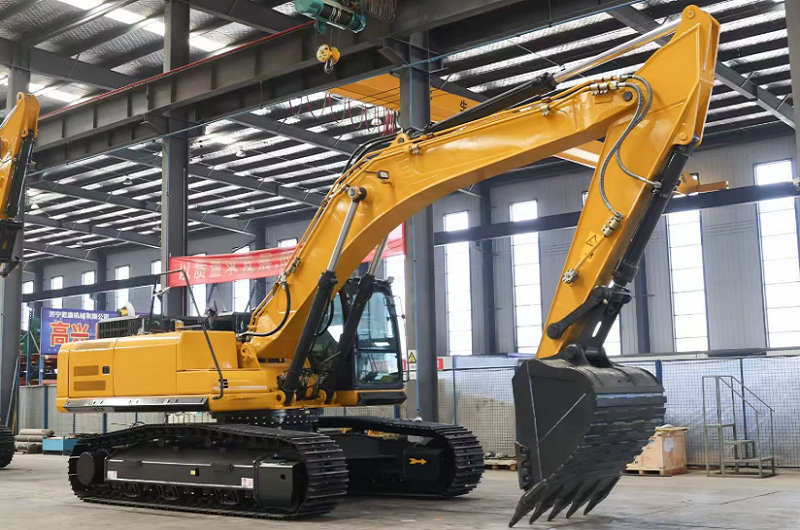
Modern Power Shovel Excavators
Today’s power shovel excavators are highly advanced machines equipped with cutting-edge technology. Modern models feature computerized control systems, GPS tracking, and automation capabilities that enhance productivity and safety.
Fuel efficiency and environmental considerations have also become key priorities. Many modern excavators are designed to reduce emissions and fuel consumption, aligning with global sustainability goals. Electric and hybrid models are emerging as viable alternatives to traditional diesel-powered machines.
Operator comfort and safety have also improved significantly. Enclosed cabins with climate control, ergonomic controls, and advanced monitoring systems ensure that operators can work efficiently in a safe and comfortable environment.
Applications Across Industries
Power shovel excavators are now essential across multiple industries. In construction, they are used for digging foundations, trenching, and material handling. In mining, large-scale shovels are employed to extract minerals and ores efficiently. Road construction projects rely on excavators for grading, clearing, and earthmoving tasks.
Their versatility is one of their greatest strengths. With the right attachments, a single excavator can perform a wide variety of tasks, reducing the need for multiple machines and lowering overall project costs.
Conclusion
From steam-powered giants to intelligent hydraulic machines, the power shovel excavator has undergone a remarkable transformation over the past two centuries. Each stage of its evolution has brought improvements in efficiency, capability, and adaptability, making it an indispensable tool in modern construction and mining.
As technology continues to advance, power shovel excavators will become even more sophisticated, shaping the future of infrastructure development and heavy machinery worldwide. For manufacturers like Shanbo, staying at the forefront of these innovations ensures the ability to meet the ever-changing demands of global construction projects.
 Hot News
-
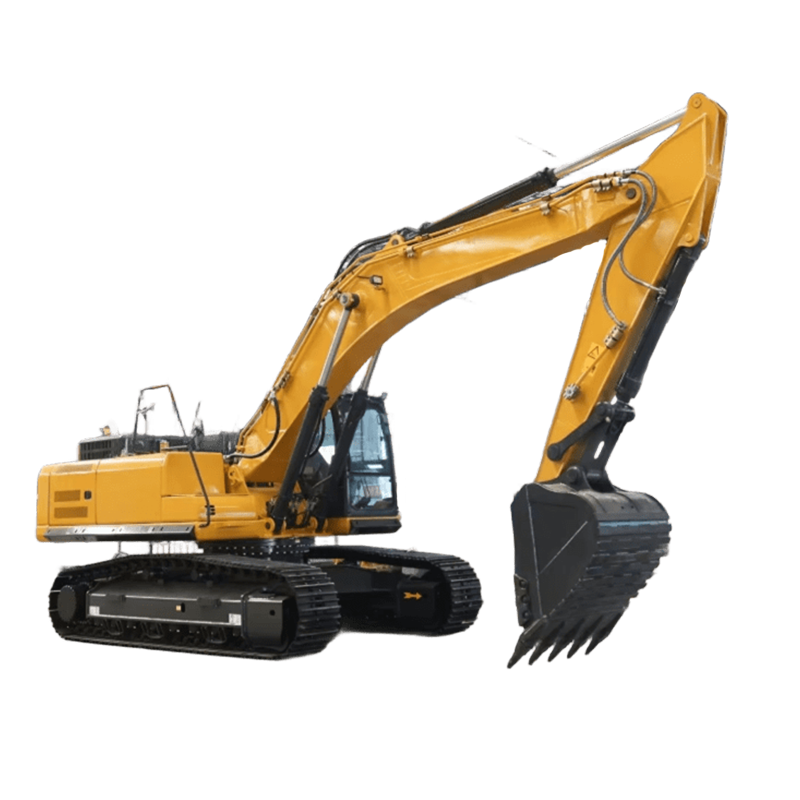
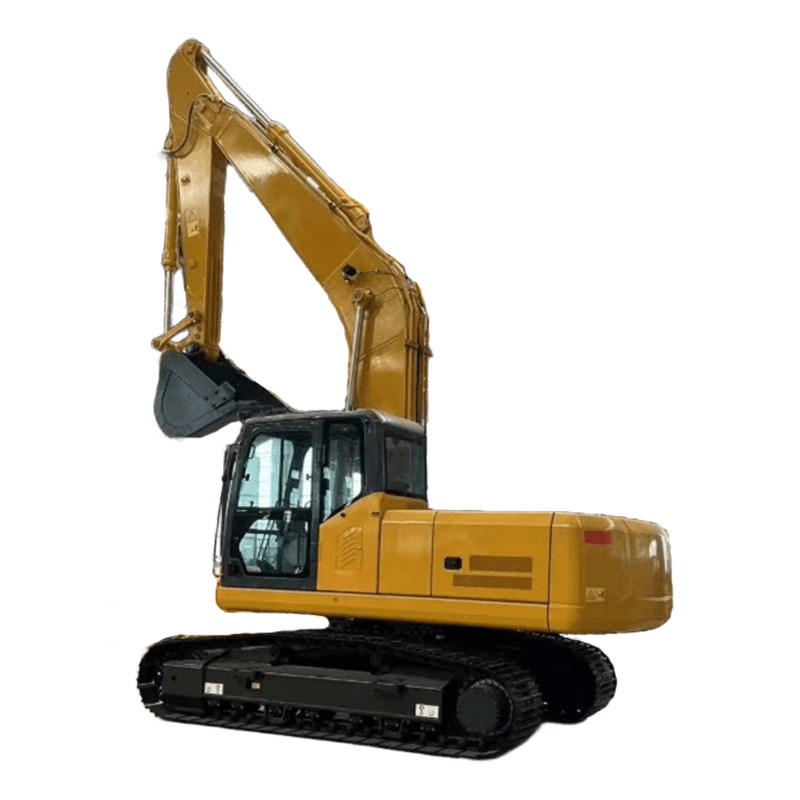
24-Ton Excavator: A Stable and Reliable One-Stop Solution for Infrastructure, Mining, and Material Handling
2026-10-27
-
Loader Applications Across Diverse Operating Conditions: A Comprehensive Guide to Real-World Use Cases for Every Operational Need
2026-10-27
-
Versatile 38-Ton Excavator: An Efficient Solution for Mining, Road Construction, and Earthmoving Challenges
2026-10-27
-
17-Ton Class Hydraulic Crawler Bulldozer | Versatile Blade Options for Mining, Infrastructure, and Earthmoving Projects
2026-10-27
-
Comprehensive Coverage of Bulldozer Applications: Tailored Selection for All Your Earthmoving Needs
2026-10-27
-
Shantui BL75-C SD Backhoe Loader – Special Clearance Sale
2026-10-23