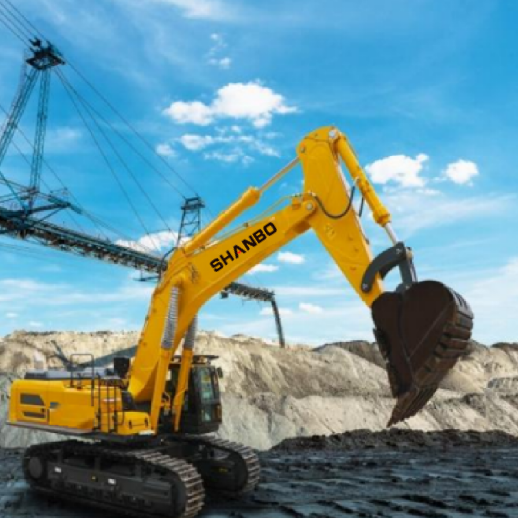
What Types of Projects Are Bulldozers Suited For? An Overview of Applications, Operating Conditions, and Operational Advantages
I. Core Project Applications for Bulldozers
Bulldozers are fundamental, core tracked construction machines used in earthmoving projects. Thanks to their immense tractive force and off-road mobility, they are well-suited for a wide range of civil engineering, infrastructure, mining, and water conservancy projects. They serve as the primary equipment for initial site clearing and earthwork distribution. When selecting machinery, many buyers and contractors first identify the specific type of project, then choose a model with the appropriate power rating based on the operating conditions.
Highway and road construction is the most common application for bulldozers. This includes the new construction, renovation, or expansion of rural roads, national and provincial highways, and expressways. In these projects, bulldozers are used for clearing roadbed foundations, pushing and building up roadbed earthwork, trimming slopes, and shaping road crowns. In railway construction, they are employed for leveling station sites, filling roadbeds, and building temporary access roads, working in tandem with excavators and road rollers to complete initial earthwork tasks.
Water conservancy and hydropower projects also rely heavily on bulldozers; they are essential for tasks such as filling reservoir dams, constructing cofferdams, desilting and clearing riverbeds, and building flood-control embankments. In mining operations, large bulldozers are used for stripping overburden, managing waste rock dumps, leveling operational platforms, and maintaining haul roads. Furthermore, bulldozers are frequently used for urban infrastructure development, leveling industrial plant sites, clearing land for industrial parks, spreading and compacting waste in landfills, and land consolidation for agricultural purposes.
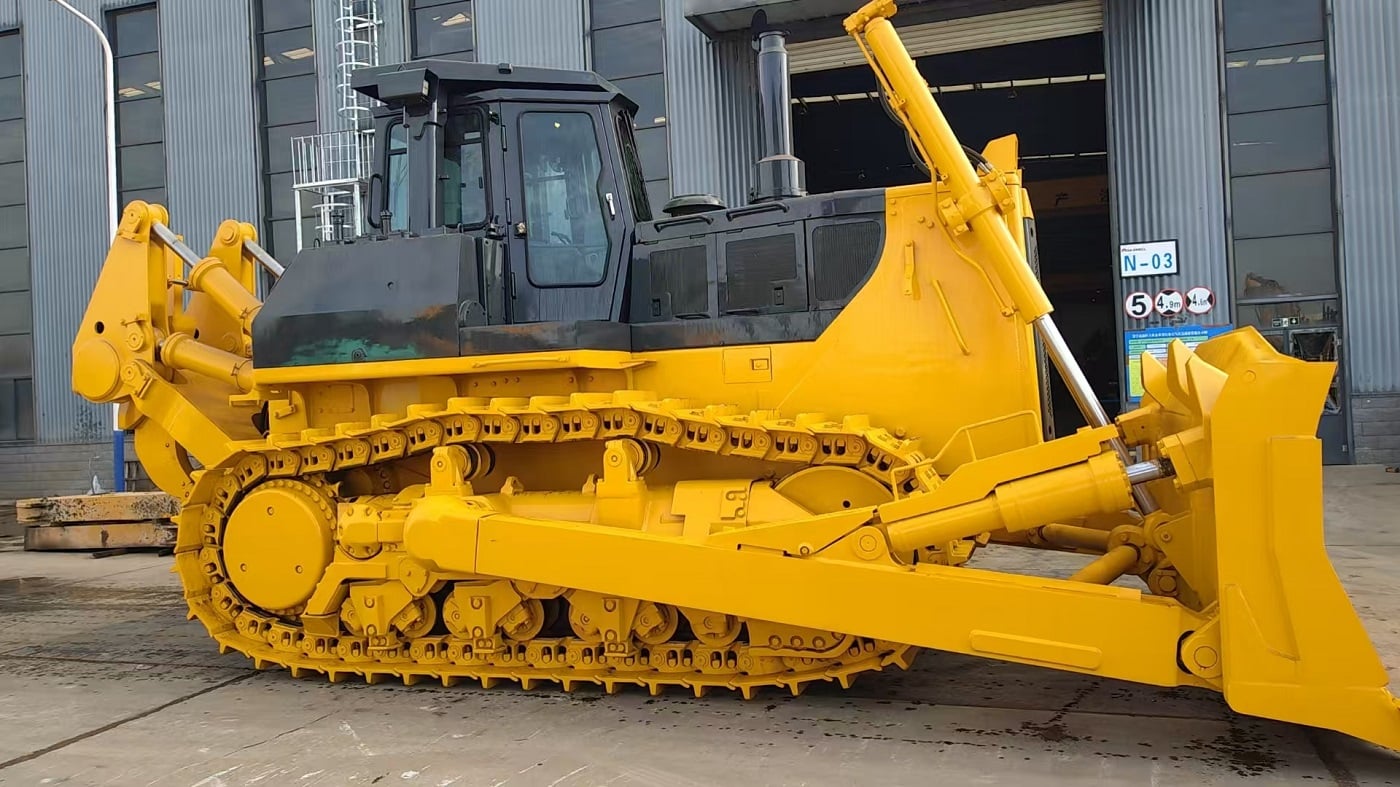
II. Detailed Overview of Primary Bulldozer Applications
Site clearing is the primary function of a bulldozer. During the initial stages of construction, it is used to remove surface vegetation—such as weeds, tree roots, and brush—as well as construction debris and topsoil (humus). This prepares the ground for subsequent construction phases. Compared to other types of equipment, bulldozers offer superior efficiency when clearing large areas.
Earthmoving and Backfilling: Bulldozers use their blades to push, backfill, or pile up earth and rock over short distances—ideally within a range of 50–100 meters. They are used to transport and deposit material into roadbeds, embankments, or foundation pits, spreading the soil in layers to prepare for subsequent compaction.
Site Leveling and Slope Grading: By adjusting the blade, bulldozers can level construction sites and shape the slopes of roadbeds or embankments, ensuring proper gradient control and slope stability. Some models are equipped with rippers, which can break up hard soil, weathered rock, or frozen ground—overcoming challenges where the terrain is too tough for standard excavation.
Emergency Response and Disaster Relief: In scenarios such as floods or landslides, bulldozers are essential for rapidly clearing roads, sealing breaches, and removing debris. Their high mobility and ability to navigate muddy or soft terrain make them critical equipment for emergency operations.
III. Suitable Operating Conditions for Bulldozers
Crawler-type bulldozers exert low ground pressure, preventing them from sinking into soft ground—such as mud, wet clay, riverbanks, or newly placed fill—which gives them a significant advantage over wheeled construction machinery. They also possess strong climbing capabilities, making them well-suited for work on gentle slopes, ramps, and rugged, unpaved outdoor job sites.
Operational Limitations: Bulldozers are best suited for short-distance earthmoving; they are inefficient for transporting material over long distances. They should not be used alone for excavating solid, high-hardness rock; such tasks require the addition of rock-breaking equipment. Furthermore, in confined urban spaces, large bulldozers may have an excessively wide turning radius, making small or medium-sized models a better choice.
IV. Core Operational Advantages of Crawler Dozers
They offer powerful traction and stable power output, excelling in heavy-duty operations. Whether working in cohesive soil, wet earth, or loose sand and gravel, they deliver consistent performance. Their crawler-based design provides excellent ground traction and superior resistance to slippage, ensuring high mobility across complex, rugged terrain.
Highly versatile and expandable, these machines go beyond standard straight or U-shaped blades. They can be equipped with attachments such as rippers, rakes, or snow-clearing gear, enabling tasks like soil loosening, debris clearing, and snow removal—allowing a single unit to meet a wide range of earthmoving requirements on a job site.
Built for durability and ease of maintenance, these machines maintain a manageable failure rate even in harsh, dusty, or uneven field environments. With highly interchangeable parts, they are well-suited for long-term, continuous field operations, making them a staple piece of earthmoving equipment for general contractors and equipment rental companies alike.
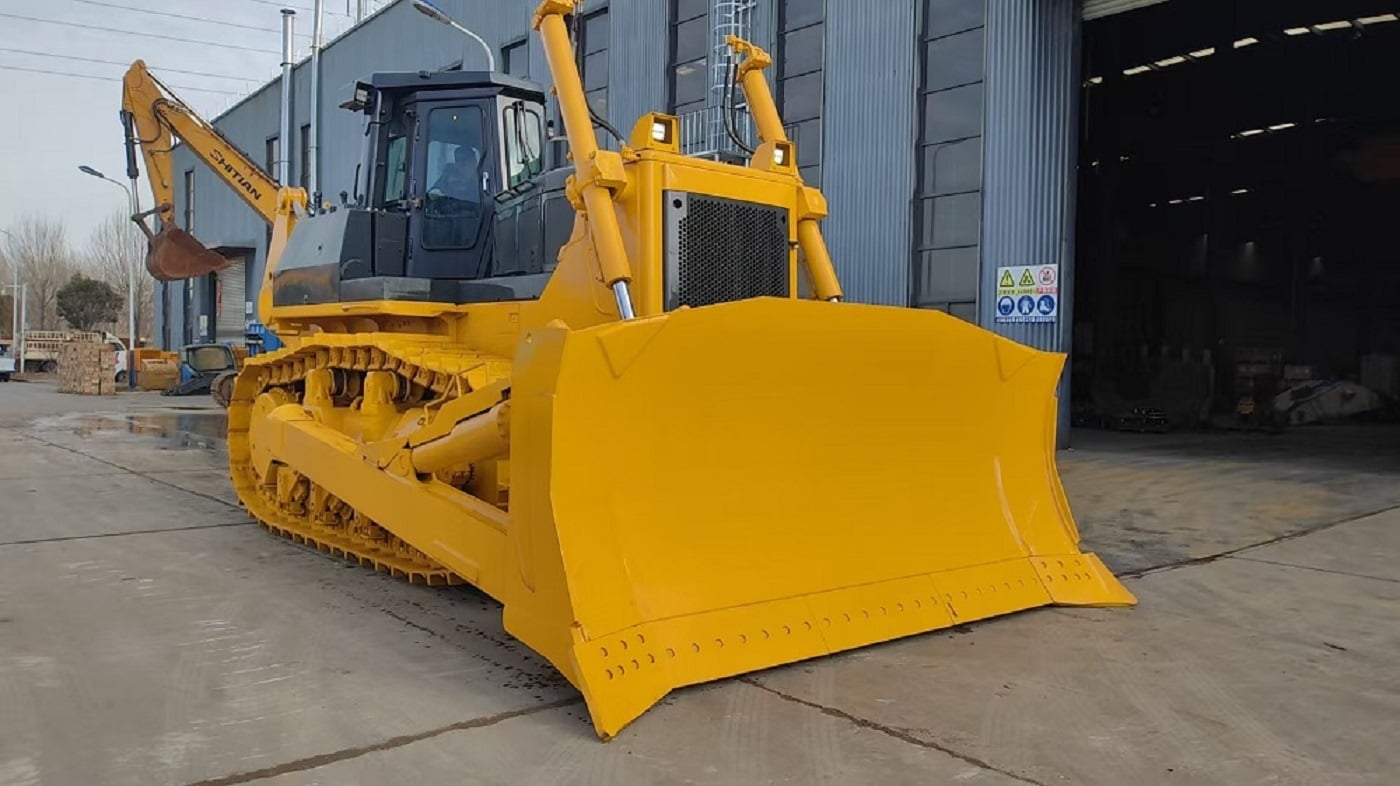
V. Tips for Selecting a Dozer
Different projects require dozers of appropriate tonnage. Small dozers are ideal for farmland redevelopment, small-scale industrial sites, or confined municipal work areas. Medium-sized dozers are typically used for highway construction and general infrastructure earthworks. Large dozers are best suited for mining operations, major water conservancy dams, and large-scale earth-and-rock fill projects. Selecting the right machine—based on the specific application, soil type, project volume, and site dimensions—is essential to maximizing operational efficiency.

 Hot News
-
SHANBO at bauma CHINA 2026 | Booth Outdoor G39
2026-11-12
-
SH240-8 Crawler Excavators Continue to Ship to Uzbekistan: 24-Ton Medium-Sized Excavators Delivered
2026-11-12
-
What Types of Projects Are Bulldozers Suited For? An Overview of Applications, Operating Conditions, and Operational Advantages
2026-11-12
-
On-Site Field Testing of a Bulldozer: A Real-World Construction Scenario
2026-11-11
-
Heavy-Duty Construction Bulldozer Assembled and Ready for Shipment to Overseas Project Site
2026-11-11
-
Overview of Motor Grader Applications: Understanding Their Role in Infrastructure Projects
2026-11-11