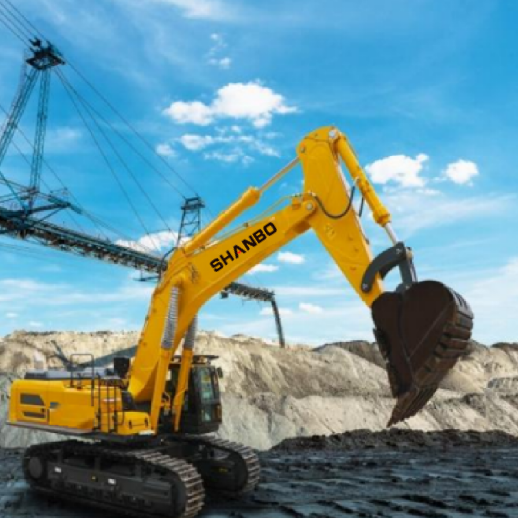
Comparison of Bulldozer Standards Across Regions: A Summary of Market Access Requirements for Africa, Southeast Asia, Europe, and the United States
Introduction: The Importance of Compliance for Bulldozer Exports
As infrastructure, mining, and land development projects continue to expand globally, the export volume of Chinese-manufactured bulldozers has been rising year after year. Many exporters encounter issues such as cargo detention, requirements for corrective modifications, or even shipment returns—often because they have not fully grasped the specific regulatory standards for construction machinery in their target markets. Different continents and countries maintain their own unique specifications regarding emission limits, safety protections, noise levels, structural integrity, nameplate labeling, and inspection procedures; there is no single, universal standard that applies globally. Familiarity with the regulatory differences for bulldozers across key regions—including Africa, Southeast Asia, Europe, and the United States—is essential for mitigating export risks and improving the efficiency of order fulfillment.
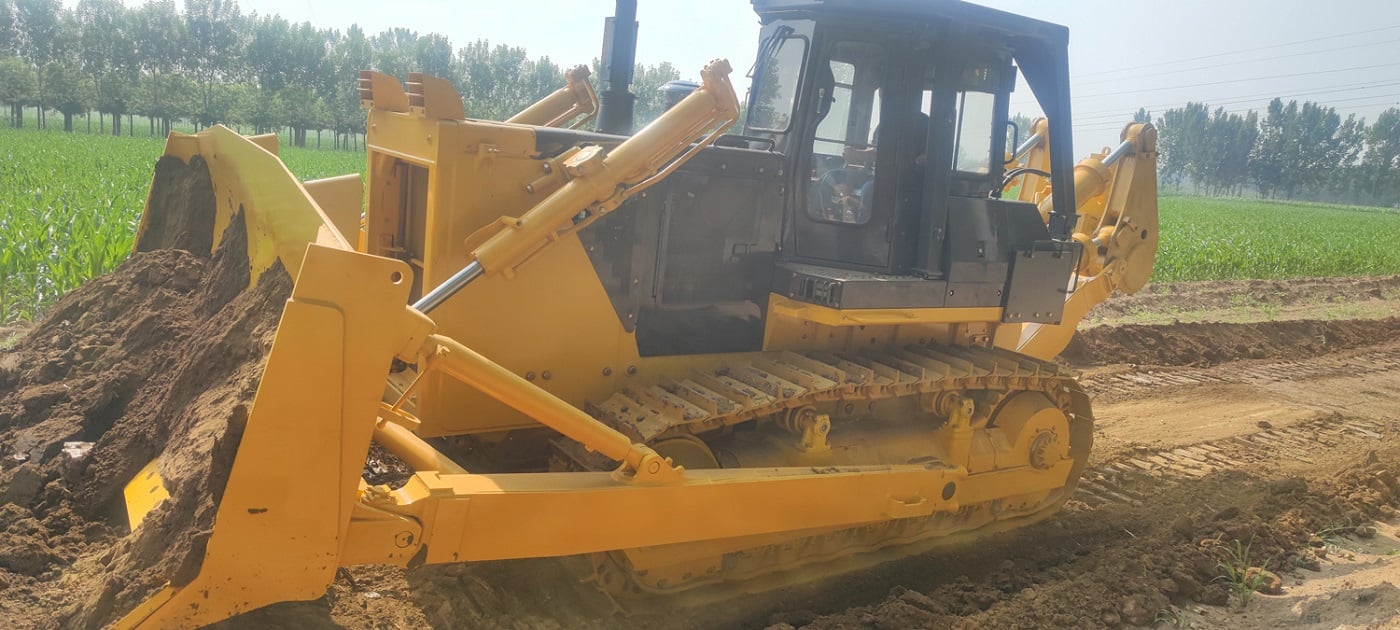
Market Access Standards for Bulldozers in Europe and the United States
The European and U.S. markets are mature, high-barrier environments with stringent requirements for environmental emissions, operator safety, machine noise levels, and the protection of hydraulic systems. In the European Union, the CE certification framework applies; the "Stage V" emission standard for non-road mobile machinery is a mandatory threshold for exporting bulldozers to the EU. Furthermore, the Machinery Directive (MD) imposes strict requirements for Falling Object Protective Structures (FOPS) and Roll-Over Protective Structures (ROPS) on cabs, as well as mandates for emergency stop devices, warning labels, and maintenance safety. For the U.S. market, bulldozers must comply with EPA emission regulations for non-road equipment and meet OSHA safety standards for construction machinery; some states also enforce additional local noise control ordinances.
Technically, European and U.S. standards generally require bulldozers to be equipped with reliable exhaust after-treatment systems—such as DOC, DPF, or SCR—configured according to the machine's power output. Cabs must feature FOPS/ROPS protection that has passed impact testing at a third-party laboratory, and equipment such as seatbelts, rearview mirrors, and audible/visual reversing alarms are standard requirements. Regarding documentation, manufacturers must prepare comprehensive technical files, test reports, and Declarations of Conformity. Many clients specifically require certificates issued by EU-based or U.S.-based "Notified Bodies" (or equivalent authorized entities); in some jurisdictions, self-declarations of conformity are not accepted.
In European and American markets, the certification cycle for bulldozers is long, and the costs associated with necessary modifications are relatively high. Consequently, these markets are best suited for foreign trade clients capable of long-term commitment and consistent, recurring orders.
Bulldozer Market Access Standards and Characteristics in Southeast Asia
Development levels vary significantly across Southeast Asian nations, leading to a fragmented landscape of market access standards with no unified regional regulatory framework. Countries like Singapore, Malaysia, and Thailand maintain relatively strict requirements; they often base their local emission limits on the EU’s "Stage" series of standards and may mandate the submission of emission test reports and comprehensive safety certification for the entire machine. In contrast, markets such as Cambodia, Laos, and Myanmar have lower entry thresholds. Projects in these regions often prioritize the overall cost-performance ratio of the equipment, and while enforcement regarding emission certification is less rigorous, customs authorities still verify product nameplates and certificates of origin.
Infrastructure projects in Southeast Asia primarily involve road construction, river dredging, mining overburden removal, and land leveling for palm oil plantations. When purchasing bulldozers, clients in these regions focus on fuel economy, the availability of interchangeable parts, and ease of maintenance. Many buyers in Southeast Asia are willing to accept bulldozers that meet "China III" or "China II" emission standards; however, large-scale government tenders often explicitly require compliance with international standards. It is also important to note that Indonesia mandates SNI (Standard National Indonesia) certification for imported construction machinery. Bulldozers fall under this regulated category, and without an SNI certificate, they cannot clear customs—a common pitfall for exporters targeting the Indonesian market.
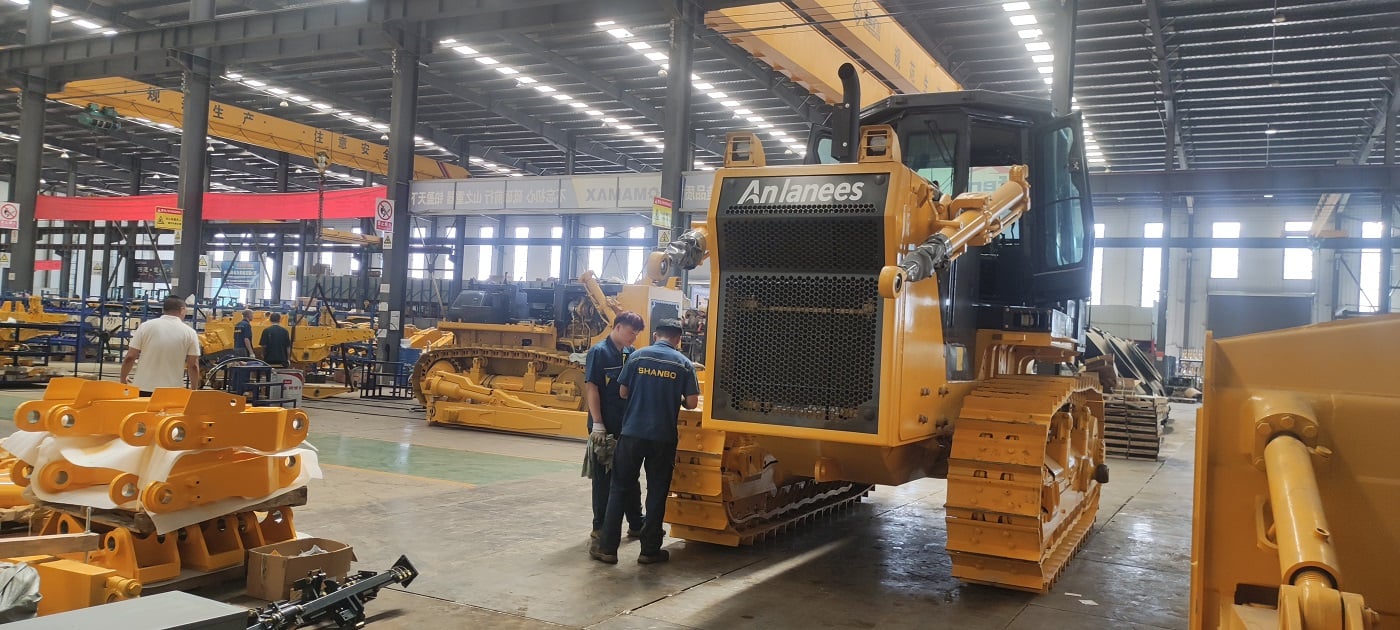
Market Access Standards for Bulldozers in Africa
Africa is a vast continent with highly diverse national policies. South Africa has the most stringent market entry requirements on the continent, mandating its own SABS certification, which includes standardized testing for structural safety, noise levels, and emissions. In West and East African nations—such as Nigeria, Ghana, and Kenya—some ports of entry may enforce standards based on the older EU "Stage IIIA" framework. In many other locations, however, the process is limited to basic visual inspections and document verification, with few requirements for mandatory technical testing.
Mining operations and large-scale earthmoving projects in Africa represent the primary application scenarios for bulldozers. Customers in these regions prioritize overall machine durability and stability in high-temperature, dusty environments. There is generally low acceptance of sophisticated, precision-engineered exhaust after-treatment systems; many buyers prefer models with simple mechanical structures, ease of maintenance, and affordable spare parts. However, in recent years, several African nations have begun updating their environmental regulations. Key ports have also intensified oversight of used bulldozers and older, non-compliant models—a trend suggesting that entry requirements will continue to tighten. When exporting bulldozers to Africa, in addition to ensuring all compliance documentation is in order, it is essential to verify in advance whether the destination port accepts inspection reports issued by testing agencies based in China.
Summary of Key Differences in Bulldozer Standards Across Three Major Regions
Regarding emissions: Europe and the United States enforce the world’s strictest standards (Stage V and the latest EPA regulations). In Southeast Asia, regulations are tiered: more developed nations align with EU standards, while less developed countries maintain more lenient requirements. Most African nations have low emission thresholds, with only a few—such as South Africa—mandating environmental inspections. Regarding safety standards: Europe and the U.S. require a comprehensive suite of protective features, including ROPS/FOPS (Roll-Over/Falling-Object Protective Structures), reversing alarms, and hydraulic safety locks. Large-scale tenders in Southeast Asia often adopt these same safety specifications, whereas orders from individual private buyers may have simplified requirements. In Africa, major projects often mandate cab protection, while such requirements are less frequently enforced for general civilian or commercial projects.
Regarding certification: EU CE, U.S. EPA, Indonesian SNI, and South African SABS certifications are mandatory. In most other African and Southeast Asian countries, requirements are generally met through supplier-provided test reports, declarations of conformity, and certificates of origin. Enforcement varies: in Europe and the U.S., inspections at ports of entry are routine, the risks associated with fraudulent certification are extremely high, and penalties are severe. In Southeast Asia and Africa, inspections are more sporadic; however, during targeted regulatory crackdowns, non-compliant bulldozers are subject to seizure.
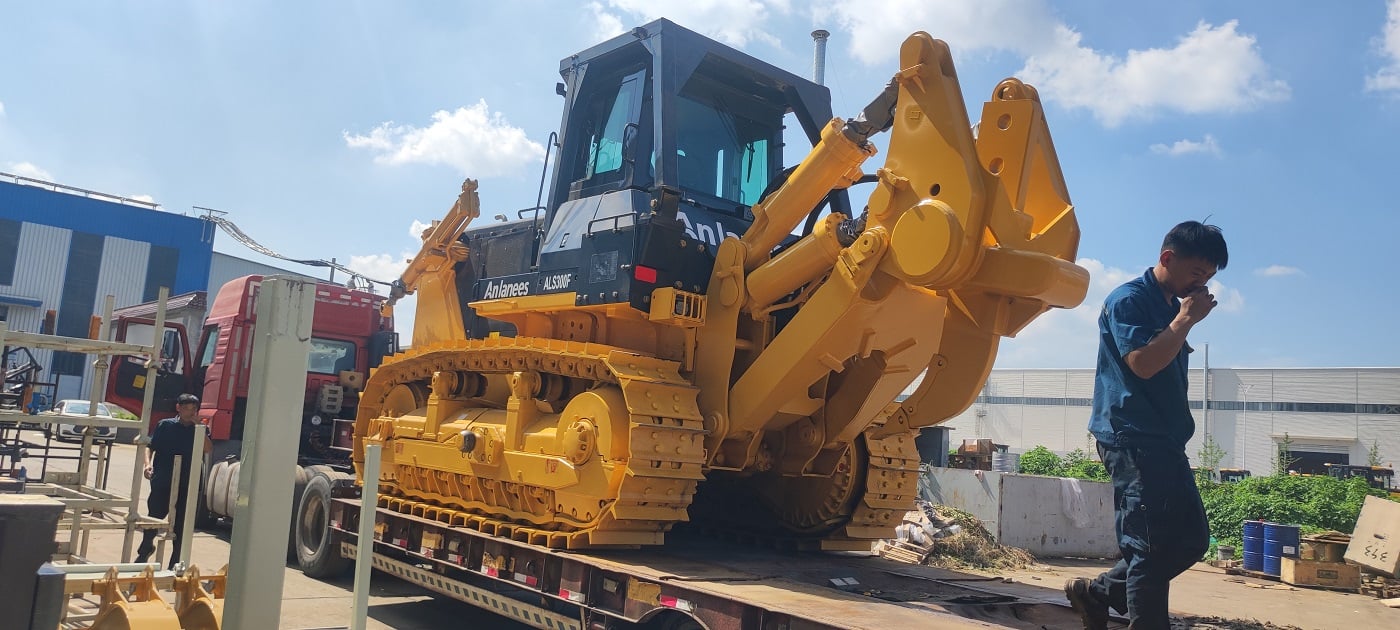
Practical Advice for Bulldozer Export Compliance
When handling overseas orders for bulldozers, construction machinery exporters should first identify the specific country of the buyer, rather than focusing solely on the continent.
Regulations can vary significantly between countries, even within the same region; for instance, Singapore and Laos—both located in Southeast Asia—have vastly different market access requirements. During the production or model selection phase, ensure that emission systems and safety structures are planned in accordance with the target market’s standards from the outset. Avoid ad-hoc modifications later, as many third-party testing bodies will not recognize or validate the results for bulldozers that have been retrofitted. Furthermore, maintain organized documentation. Compile emission reports, safety test reports, nameplate drawings, declarations of conformity, and scanned originals of certificates into a unified archive. Share these with your overseas clients and local customs brokers in advance for pre-screening. For key markets where you have long-term partnerships, consider completing certification and registration processes ahead of time to shorten order delivery lead times. Exporting used bulldozers is subject to even stricter controls; many Western nations and some Southeast Asian countries impose direct restrictions on the import of aging construction machinery. Always verify whether any local bans on used equipment are in place. Conclusion Global market access standards for bulldozers are constantly evolving, with a long-term shift toward stricter environmental and regulatory compliance. While markets in Africa and Southeast Asia may currently have more accessible entry requirements, their regulatory standards are being upgraded at an accelerating pace. Conversely, while Western markets present higher barriers to entry, they also offer greater brand premiums and a more stable customer base. By staying abreast of regional standard updates—and meticulously managing the entire process, from bulldozer selection and certification to documentation—export sales, technical, and administrative teams can successfully and sustainably expand into overseas markets, minimize losses during customs clearance, and strengthen client trust.
Recommended Products


 Hot News
-
Comparison of Bulldozer Standards Across Regions: A Summary of Market Access Requirements for Africa, Southeast Asia, Europe, and the United States
2026-11-03
-
How to Choose an Excavator Model and Specification: A Guide to Tonnage, Parameters, and Costs
2026-11-03
-
Mini Wheel Loader with Quick-Attach System: A Versatile Machine for Handling Hay, Timber, and Snow
2026-11-03
-
Multifunctional Wheel Loader: For Material Handling in Aggregate Yards and Earthmoving Operations in Mines
2026-10-29
-
Electric Bulldozers vs. Conventional Bulldozers: Advantages of Low Noise, Zero Emissions, and High Operational Efficiency
2026-10-29
-
Overseas Clients Visit Factory to Procure SH380-8 Excavators and SD32 Bulldozers for Mining Operations
2026-10-29