How to Choose an Excavator Model and Specification: A Guide to Tonnage, Parameters, and Costs
I. Determining the Excavator Tonnage Range Based on Operating Conditions
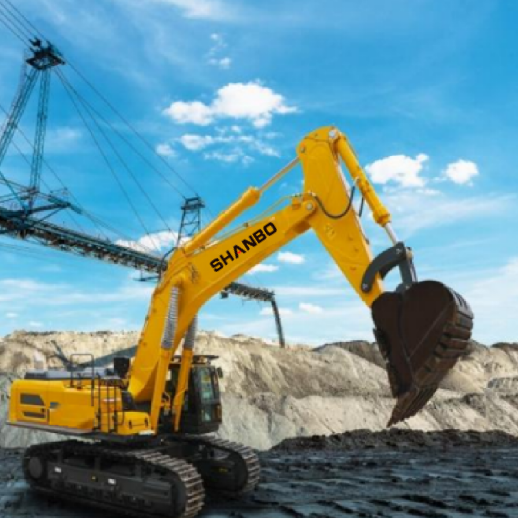
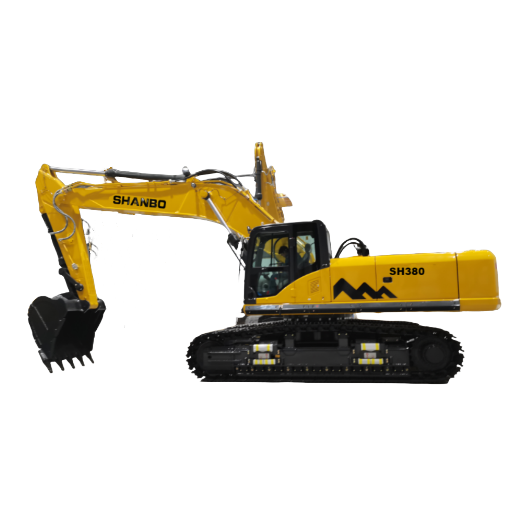
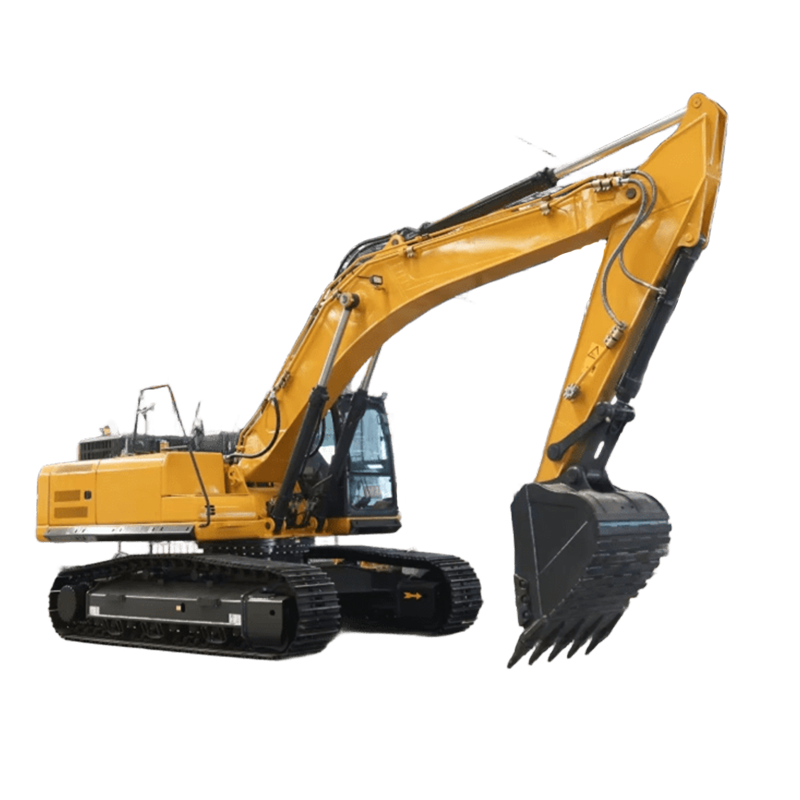
When selecting an excavator, many clients often struggle first with the choice of tonnage, as different tonnages offer varying levels of operational capacity and site adaptability. Compact (small) excavators are agile and well-suited for indoor demolition, landscaping, rural infrastructure projects, and excavation in confined spaces. Medium-sized excavators offer a balanced performance, serving as the primary choice for municipal projects, earthmoving, river dredging, and township infrastructure development. Large excavators, characterized by high digging force and larger bucket capacities, are typically used for open-pit mining, large-scale earthwork, and extensive site-leveling operations.
The first step in selection is to assess your specific project conditions: consider the available workspace, required excavation depth, volume of earth to be moved, and the frequency of site relocation. If a job site has narrow access paths, a large-tonnage excavator may be difficult to bring in; forcing its use will only reduce operational efficiency and increase transport costs. Conversely, using a small excavator for long-term operations at a large-scale mine will result in insufficient capacity, ultimately extending the project timeline.
II. Understanding Key Excavator Specifications to Avoid Common Selection Pitfalls
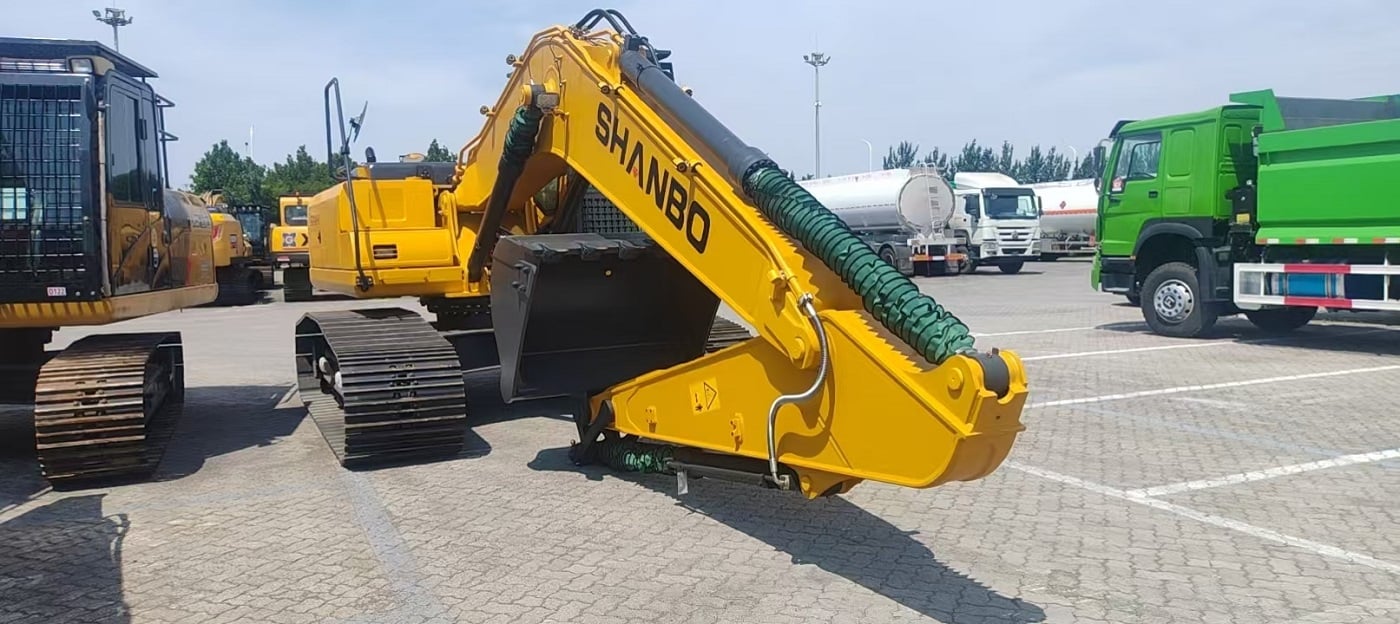
Tonnage serves only as a basic reference; for an accurate comparison between models, one must examine key technical specifications. Bucket capacity directly determines the volume of material moved per cycle—note that for the same tonnage, a rock bucket and a general-purpose earthmoving bucket will differ in both capacity and wear resistance. Maximum digging depth and maximum digging radius determine whether the equipment can meet the requirements for excavating foundation pits or trenches. Engine power dictates the machine's overall performance; for tasks involving hard soil or rock, a model with a higher power reserve is necessary.
Furthermore, factors such as the hydraulic system configuration, track width, and ground pressure are also critical specifications that should not be overlooked.
For soft or muddy construction sites, prioritize models with wide tracks to reduce ground pressure and prevent the machine from getting stuck. For projects that frequently involve demolition or breaking work, ensure the hydraulic flow is compatible with the intended hydraulic breaker; otherwise, you may find the machine lacks sufficient power when adding attachments later. Many buyers focus solely on tonnage while overlooking other technical specifications—only to discover after purchase that the machine cannot support a hydraulic breaker or fails to meet the digging depth requirements specified in the construction blueprints.
III. Comprehensive Assessment of Procurement and Long-Term Operating Costs
When selecting an excavator, do not look only at the initial purchase price; instead, evaluate the total cost of ownership over the machine's entire lifecycle. Large-tonnage excavators come with higher purchase prices, greater fuel consumption, and more expensive spare parts, making them well-suited for long-term projects involving large volumes of earthwork. Conversely, small-to-medium excavators have a lower entry cost, better fuel efficiency, and more affordable daily maintenance, making them ideal for smaller, scattered tasks or short-term rental projects.
Maintenance costs, the availability of spare parts, and fuel consumption standards are all critical components of long-term expenditure. If spare parts are difficult to source at the project site, even a low-priced machine could end up being costly—if a breakdown occurs, the resulting downtime can lead to significant financial losses. Additionally, consider the costs of transporting the equipment between sites; large excavators require specialized heavy-duty trailers, and frequent short-distance relocations can cause transportation expenses to accumulate rapidly.
IV. Matching Excavator Models to Attachment Requirements
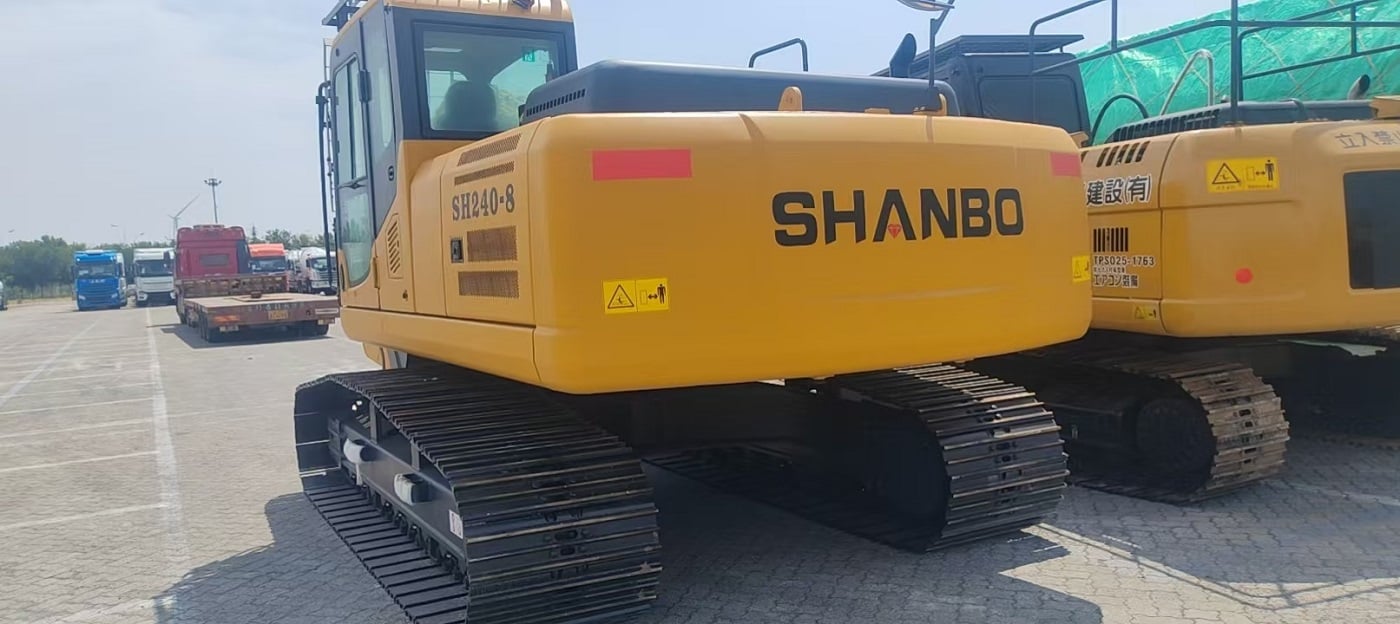
Most modern excavators support a variety of interchangeable attachments, and the specific requirements for these tools will dictate which machine model you should choose. Excavators intended for use with hydraulic breakers, timber grapples, scrap grapples, or screening buckets have strict requirements regarding hydraulic flow and pressure. If you plan to use a single machine for multiple purposes, confirm the hydraulic configuration with the manufacturer beforehand to ensure that a "base" model won't prevent you from adding heavy-duty attachments later.
For straightforward earthmoving tasks, a standard-configuration machine is sufficient. If the work involves both earthmoving and breaking, prioritize models with ample hydraulic system capacity. Since there can be significant price differences between versions of the same tonnage with different configurations, planning your attachment requirements in advance will help you avoid the extra costs associated with subsequent retrofitting.
V. Summary: A Simple Approach to Selecting an Excavator Model
When selecting an excavator model and specifications, follow the principle of "prioritizing operating conditions, matching technical parameters, and keeping costs under control." First, define the project type and site conditions to determine the appropriate tonnage. Next, verify the excavation parameters, hydraulic configuration, and compatibility with attachments. Finally, evaluate the total cost of ownership—including purchase price, fuel consumption, maintenance, and transportation.
If you are unsure whether a particular model is suitable, provide your equipment supplier with details regarding your construction environment, daily earthwork volume, and specific excavation requirements. By comparing these against technical specification sheets, you can select an excavator that offers the best balance of cost-effectiveness and practicality, thereby minimizing the financial losses that can result from an incorrect selection.
 Hot News
-
Comparison of Bulldozer Standards Across Regions: A Summary of Market Access Requirements for Africa, Southeast Asia, Europe, and the United States
2026-11-03
-
How to Choose an Excavator Model and Specification: A Guide to Tonnage, Parameters, and Costs
2026-11-03
-
Mini Wheel Loader with Quick-Attach System: A Versatile Machine for Handling Hay, Timber, and Snow
2026-11-03
-
Multifunctional Wheel Loader: For Material Handling in Aggregate Yards and Earthmoving Operations in Mines
2026-10-29
-
Electric Bulldozers vs. Conventional Bulldozers: Advantages of Low Noise, Zero Emissions, and High Operational Efficiency
2026-10-29
-
Overseas Clients Visit Factory to Procure SH380-8 Excavators and SD32 Bulldozers for Mining Operations
2026-10-29