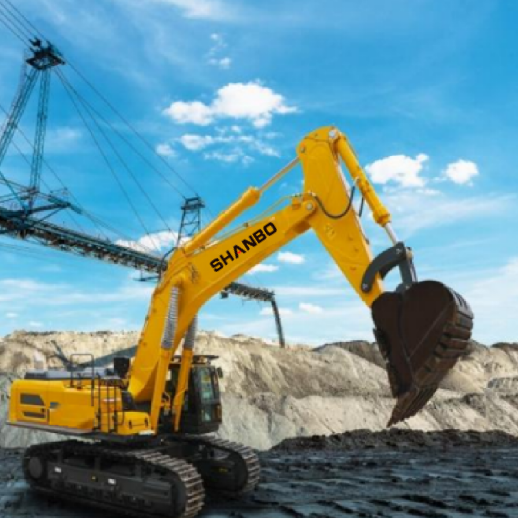
A 21-Ton Class Yellow Crawler Excavator: Ready for Action—An All-Rounder for Mid-Scale Projects
In the spectrum of construction machinery, the 21-ton class occupies a nuanced yet pivotal position. It offers greater power than compact excavators, while remaining more agile and cost-effective to transport than heavy-duty equipment weighing 30 tons or more. Recently, a set of photos emerged featuring a yellow crawler excavator parked neatly in front of a facility. With its hydraulic arm raised high and the bucket resting on the ground, the machine’s "ready-for-action" stance immediately conveys the steady, robust presence characteristic of mid-sized equipment. In this article, we’ll use these images as a starting point to explore why the 21-ton class crawler excavator is regarded as an "all-rounder for mid-scale projects."
I. First Impressions: The Engineering Logic Behind the Yellow Paint
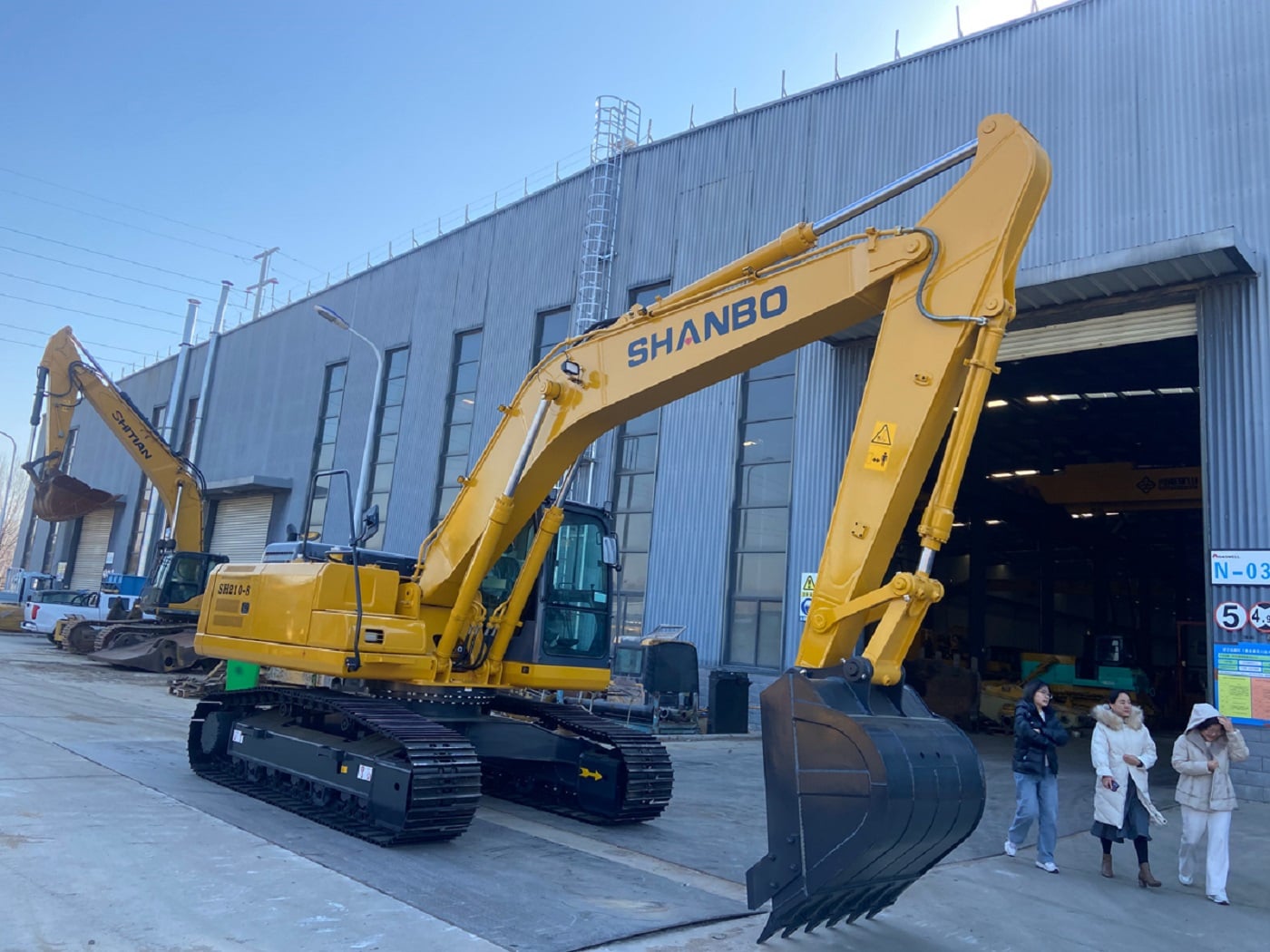
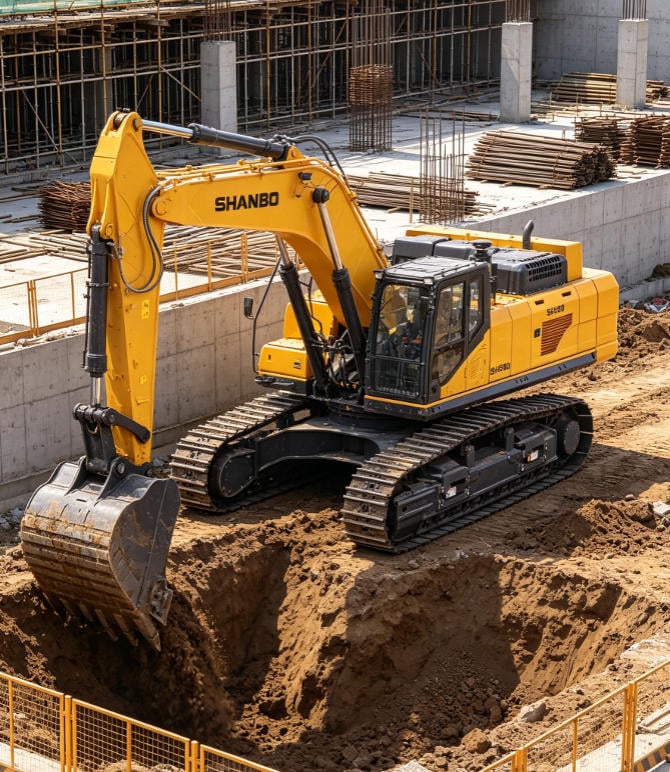
The preference for yellow in construction machinery goes beyond mere visibility. This highly saturated color stands out sharply against the dusty backdrop of a job site or the gray, industrial environment of a facility, effectively reducing the risk of on-site collisions. The machine in the photos features a bright yellow body contrasted by a black crawler undercarriage and a dark-colored bucket—a striking visual combination that allows operators and site personnel to spot it easily from a distance. With its sharp, rugged body lines, substantial counterweight, and well-balanced proportions, it embodies the classic form of a 21-ton class mid-sized excavator.
In its current parked state—with the hydraulic arm raised and the bucket hanging naturally—the machine is in its standard configuration for transport or storage; this position protects the hydraulic cylinders while facilitating easy inspection. The clean, level concrete surface in front of the facility suggests the machine is either awaiting delivery or scheduled for maintenance, and it appears to be in excellent condition.
II. Hydraulic Arm and Work Equipment: The Core of Efficiency
The operational efficiency of a 21-ton class excavator depends largely on how well its hydraulic system is matched with its work equipment.
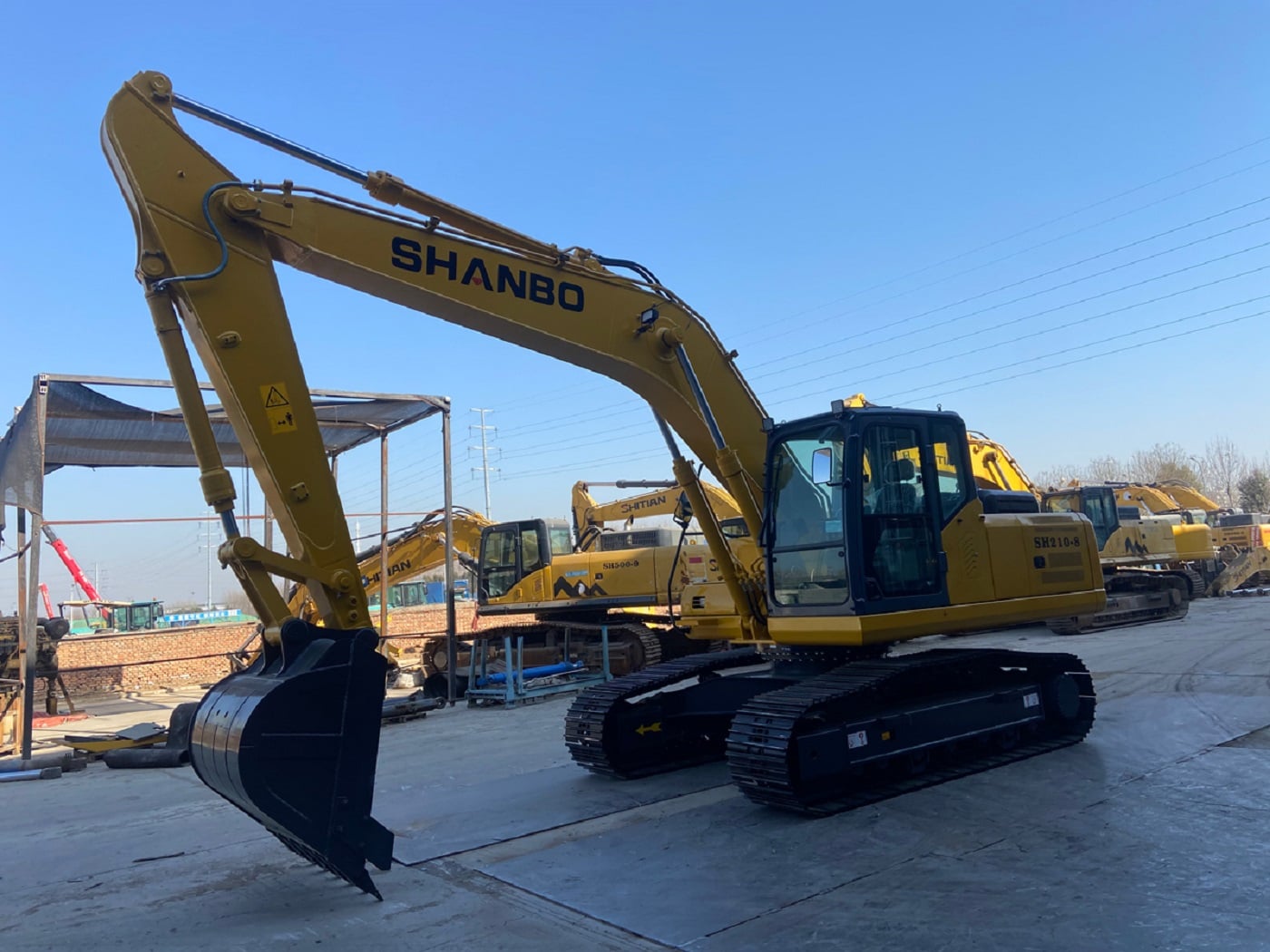
In the actual footage, one can observe a robust boom paired with an elongated arm and cylinders with ample stroke—a design that ensures faster response times during medium-depth excavation and truck-loading tasks. The bucket features a reinforced structure with closely spaced teeth and an edge that wears evenly, making it well-suited for standard earthmoving, sand, and gravel operations.
The layout of the hydraulic lines is particularly noteworthy; they are neatly routed along the boom and secured with a high density of clamps. This configuration not only minimizes the risk of wear during operation but also simplifies routine inspections. For construction equipment that logs over eight hours of daily use, the tidiness of the hydraulic plumbing is often directly correlated with the frequency of mechanical failures.
III. Undercarriage and Travel System: The Foundation for Mobility
The crawler undercarriage provides the capability for a medium-sized excavator to navigate complex terrain. As seen in the footage, the track shoes are of an appropriate width with consistent tension; the track rollers and carrier rollers are well-aligned, and the machine offers a reasonable ground clearance. This setup ensures excellent mobility across soft soil, backfilled areas, and gravel-strewn sites. Furthermore, the machine’s transport width falls within the capacity of standard flatbed trailers, keeping relocation costs significantly lower than those for larger, heavy-duty equipment.
For projects such as municipal infrastructure, industrial facility construction, or agricultural water conservancy—which often involve multiple, geographically dispersed sites with short durations at each—the 21-ton class offers a distinct advantage in mobility. A single flatbed trailer is sufficient for transport, allowing for rapid site entry and exit, which naturally leads to higher equipment utilization rates.
IV. Cab and Operator Visibility: An Underrated Factor in Efficiency
The fully enclosed cab features expansive glass, providing excellent visibility to the front and sides. The slim design of the A-pillars helps minimize blind spots. For tasks like truck loading or trench excavation—where the operator must frequently monitor the position of the bucket—visibility directly impacts both operational precision and operator fatigue. Additionally, the cab is equipped with a vibration-dampening system at its base, offering superior support and protection for the operator’s back and lower body during long shifts.
When selecting equipment, many buyers focus solely on tonnage and price, often overlooking the comfort of the operator's cab. In reality, the operator's condition sets the upper limit for the equipment's efficiency—good visibility, effective vibration dampening, and effortless controls can lead to a significant difference in output over a single shift.
V. Why the 21-Ton Class Is an "All-Rounder"
Within a full product lineup, the 21-ton class offers the broadest range of applications. It is well-suited for tasks such as earth excavation, foundation backfilling, municipal utility work, industrial flooring, farmland redevelopment, and landscaping. It avoids the "lack of power" seen in smaller machines, while also sidestepping the accessibility and transport challenges associated with larger, heavier equipment. For small-to-medium construction teams and rental companies, a 21-ton machine is often the primary driver of cash flow.
When purchasing such equipment, it is advisable to focus on three key areas: first, the brand and integration of the hydraulic system, which dictate operational smoothness and fuel consumption; second, the structural integrity of the undercarriage and the reliability of the travel motors, which determine long-term uptime; and third, the availability of after-sales parts, which impacts potential losses during downtime. While a visual inspection can reveal details about exterior appearance and assembly quality, it is essential to test the machine in operation—observing the coordination of movements, the fluidity of combined operations, and stability while idling—before making a final decision.
VI. Conclusion: Beyond First Impressions—Prioritize Long-Term Uptime
This yellow tracked excavator, standing ready at the factory, features a clean exterior and precise assembly, leaving a strong initial impression. However, the true value of construction machinery is never captured in a single photograph; it is revealed through its day-to-day performance record. The 21-ton medium-sized excavator earns its reputation as an "all-rounder" by striking an optimal balance between tonnage, efficiency, transport costs, and operating expenses. Choosing the right medium-sized excavator—one tailored to your specific needs—is often a more effective way to boost project profits than blindly pursuing a larger, heavier machine.
If you are selecting mid-sized equipment for earthmoving projects or rental operations, a 21-ton machine is a great starting point for your comparisons—it’s likely the most reliable choice, capable of handling virtually any job and accessing almost any worksite.

 Hot News
-
High-Quality Mid-Sized Crawler Excavator: Precision Hydraulic Control for Export-Grade Performance
2026-11-21
-
An In-depth Look at the SH380-9 Excavator: Operational Advantages and Key Specifications of a 38-Ton Class Crawler Excavator
2026-11-21
-
Factory-Direct Export: High-Quality Crawler Bulldozers and Attachments, Shipped Directly from Chinese Ports to Africa and Southeast Asia
2026-11-21
-
A 21-Ton Class Yellow Crawler Excavator: Ready for Action—An All-Rounder for Mid-Scale Projects
2026-11-19
-
High-Performance Crawler Bulldozers Available Now – Factory-Direct Supply of Premium Construction Equipment
2026-11-19
-
SH500-9 Heavy-Duty Crawler Excavator: A Powerful Hydraulic System for Large-Scale Excavation in Harsh Conditions
2026-11-17