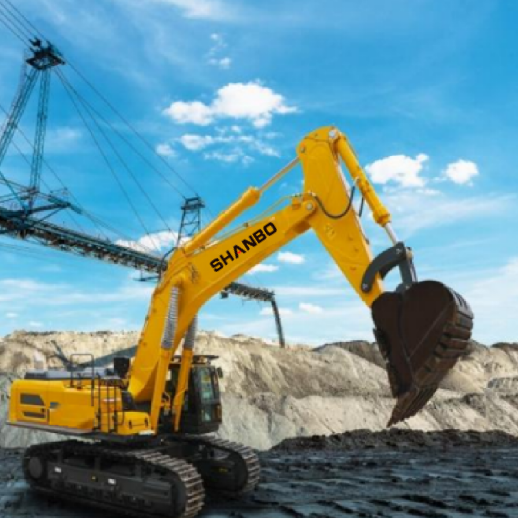
Factory-Direct Export: High-Quality Crawler Bulldozers and Attachments, Shipped Directly from Chinese Ports to Africa and Southeast Asia
As global infrastructure development continues to gain momentum, demand for heavy earthmoving equipment remains robust in Africa and Southeast Asia. As essential machinery for site leveling, overburden removal in mining, and roadbed excavation, the reliable supply and efficient delivery of crawler bulldozers are critical to the progress of infrastructure projects. Leveraging China’s mature construction machinery manufacturing ecosystem and superior port logistics, factory-direct supply of crawler bulldozers and their attachments now enables shorter delivery lead times for overseas markets, providing dependable support for regional infrastructure projects.
I. Factory-Direct Model: Eliminating Intermediaries for Reliable Delivery
Traditional export channels for construction machinery often involve multiple layers of intermediaries, leading to prolonged quotation processes, high communication costs, and unpredictable delivery schedules. The factory-direct model connects the manufacturing source directly with overseas buyers. Once a machine completes production and testing, it moves immediately into the shipping process, minimizing time lost through intermediate handling. For distant markets like those in Africa and Southeast Asia, this model offers distinct advantages: buyers can secure equipment configurations and shipping schedules well in advance, allowing project managers to effectively coordinate construction plans and personnel deployment.
Under this direct-supply system, the main units and their attachments can be prepared and shipped together. Bulldozers, rippers, blades, track shoes, and other components are coordinated within the same production cycle, preventing the common issue where the main machine arrives at the port while attachments are delayed—thereby ensuring the complete arrival of the entire equipment package.
II. Adaptability of Crawler Bulldozers to Diverse Operating Conditions
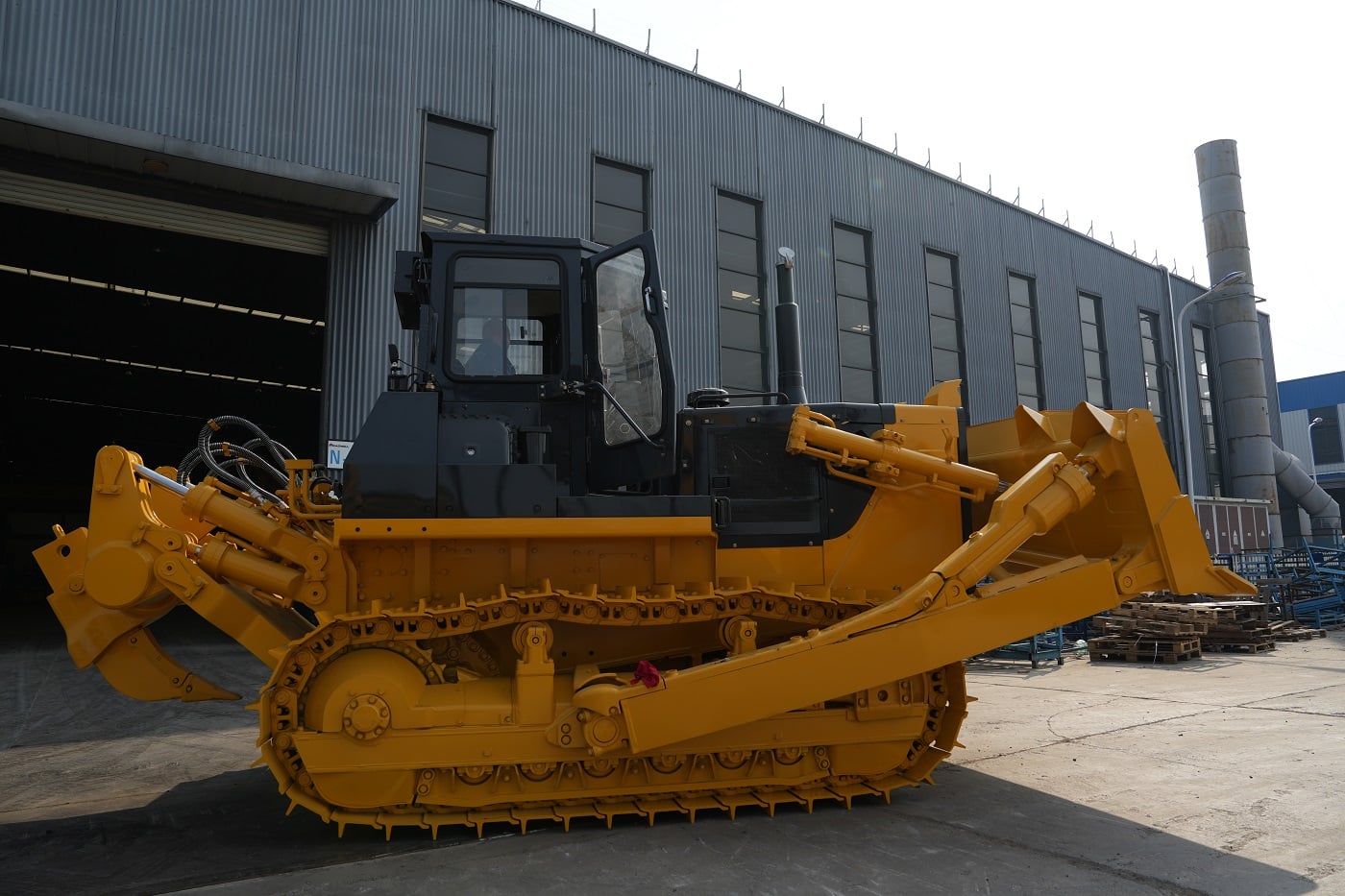
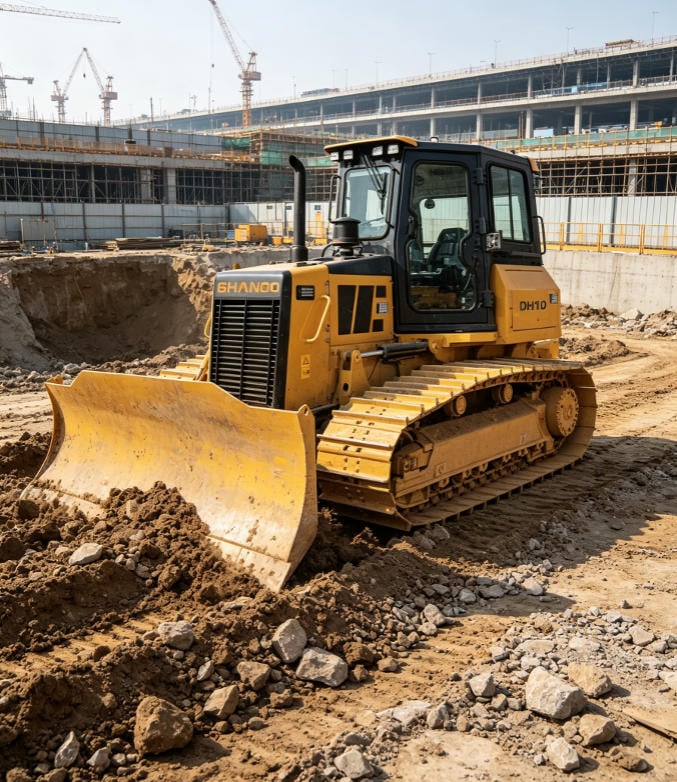
The value of a crawler bulldozer lies in its ability to traverse complex terrain and perform sustained, heavy-duty operations. Its tracked undercarriage exerts low ground pressure, preventing the machine from sinking in soft soil, wetlands, or loose materials found in mining sites, while ensuring consistent traction output.
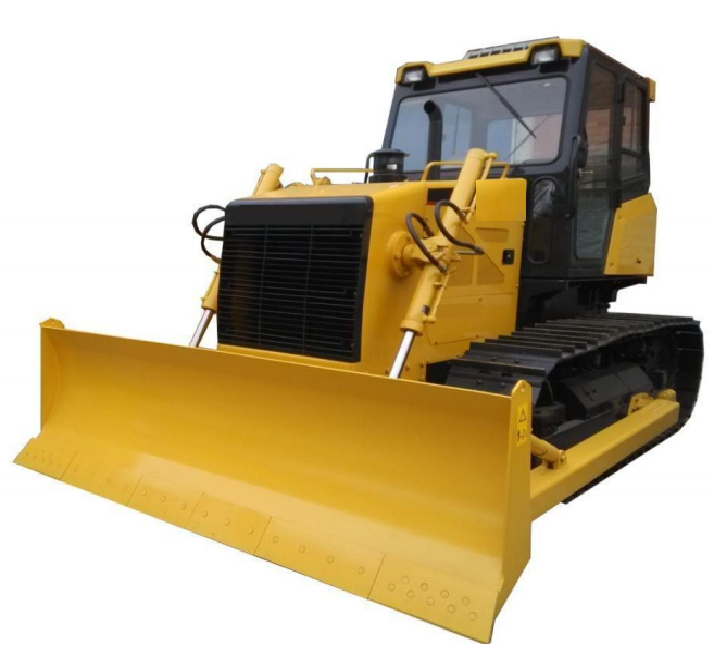
Equipped with various types of blades, the machinery can perform tasks such as earthmoving, site leveling, and material stockpiling. When fitted with a rear-mounted ripper, it can also loosen hard soil layers and weathered rock, reducing the need for blasting and broadening the equipment's utility in mining and road construction projects.
For regions like Africa and Southeast Asia—characterized by red soil, sandy terrain, and areas bordering tropical rainforests—the cooling system, air filtration system, and anti-corrosion treatments are of critical importance. Export-oriented configurations typically feature targeted enhancements in these areas to withstand local conditions—such as high temperatures, high humidity, and heavy dust—thereby lowering failure rates and minimizing downtime.
III. Attachments: From Single-Task Operations to Multi-Scenario Versatility
Attachments are essential for expanding a bulldozer's operational capabilities. Common attachments include rippers, semi-U blades, straight-tilt blades, and angle blades, each designed for specific earthmoving requirements. Rippers are used to loosen hard soil and rock; semi-U blades are ideal for pushing large volumes of material; and angle blades facilitate slope grading and trench excavation. By utilizing various attachments, a single machine can be adapted for diverse applications—including earthworks, mining, road construction, and agricultural development—thereby maximizing equipment utilization.
Through a factory-direct supply model, attachments can be selected and shipped alongside the main unit. This eliminates the need for buyers to source additional components from third-party suppliers, reducing the risk of compatibility issues and avoiding the extra costs associated with separate procurement. For contractors requiring large-scale equipment deployment, this integrated supply approach—covering both the machine and its attachments—streamlines fleet management and simplifies the stocking of spare parts.
IV. Direct Shipment from Chinese Ports: Logistics and Delivery Assurance
Major Chinese ports possess mature capabilities for handling the export of construction machinery, including both roll-on/roll-off (RoRo) and break-bulk shipping operations.
Once the machines have passed factory inspection, they can be shipped via roll-on/roll-off (RoRo) vessels or flat-rack containers to major ports, including Mombasa, Dar es Salaam, and Lagos in Africa, as well as Jakarta, Ho Chi Minh City, and Manila in Southeast Asia. Direct port-to-port shipping eliminates the need for inland transshipment, thereby minimizing the risk of damage during transit and reducing time-related costs.
Before shipment, the equipment undergoes essential protective treatments—such as rust-proofing critical components, securing the operator’s cab and electrical systems, and fastening attachments—to withstand the salt spray and vibrations encountered during ocean transport. Upon arrival, the purchaser can use the provided technical documentation to complete assembly and commissioning, allowing the equipment to be deployed for on-site operations quickly.
V. Selection and Configuration Recommendations for Overseas Projects
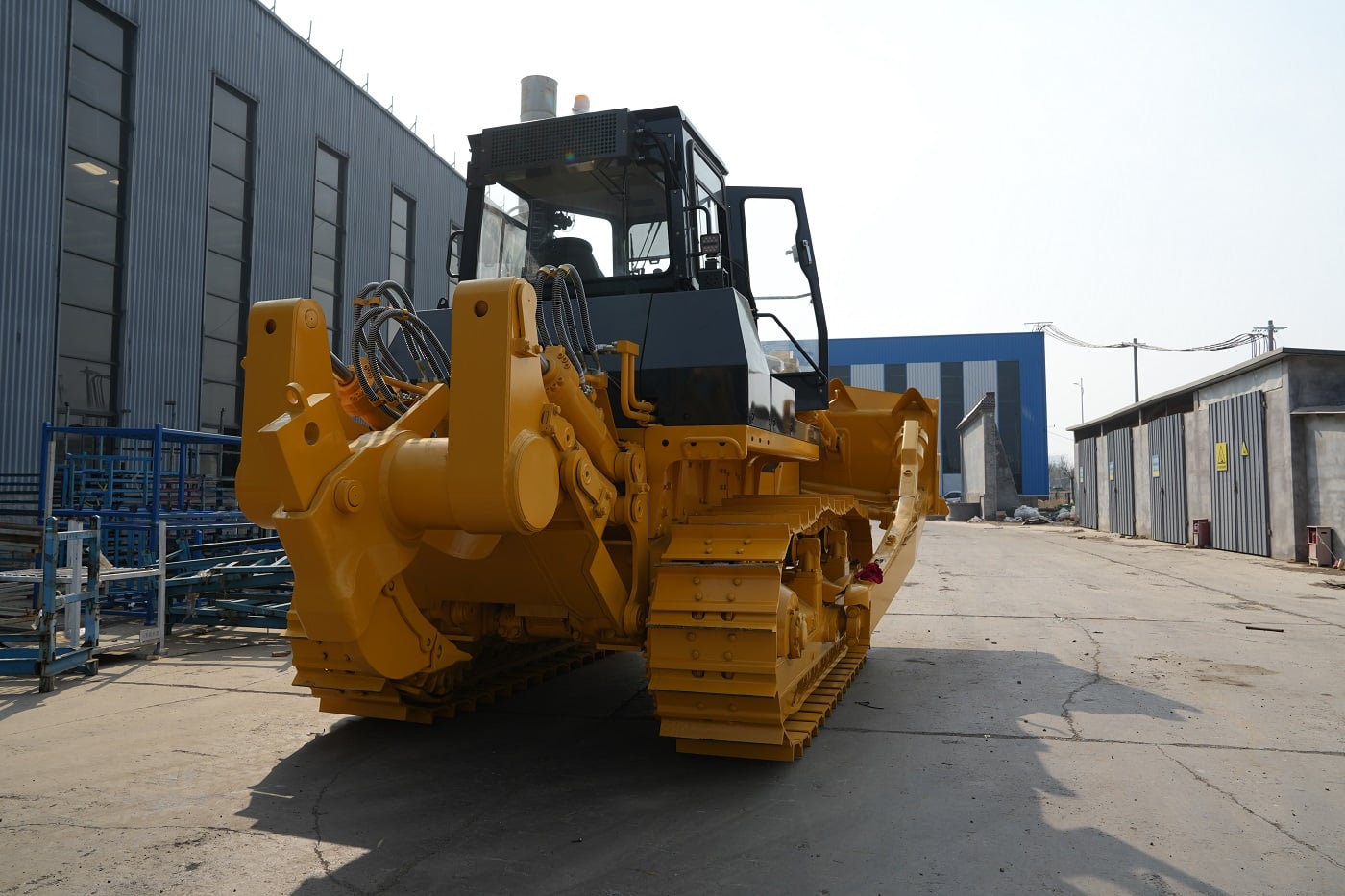
Different projects have varying requirements for bulldozers. For site-leveling projects involving large volumes of earthwork and long transport distances, priority should be given to models with a well-matched blade capacity and tractive effort. For mining overburden removal or the pre-loosening of hard rock, the focus should be on the ripper—specifically the number of shanks, the penetration angle, and its compatibility with the hydraulic system. For roadbed construction and slope grading, the suitability of the blade type—such as an angle blade or a semi-U blade—is critical. When selecting equipment, purchasers should evaluate factors such as local soil conditions, operational intensity, and the existing fleet, rather than relying on a single parameter.
Furthermore, the availability of spare parts and technical support is a vital consideration for overseas procurement. When exporting machinery, it is advisable to plan for a stock of high-wear components—such as track shoes, track rollers, blades, and hydraulic seals—to minimize downtime in the event of a breakdown. Through a direct factory-supply model, these spare parts can be shipped alongside the machines, reducing the logistics costs associated with future individual shipments.
VI. Conclusion
Infrastructure development in Africa and Southeast Asia remains ongoing, and a reliable supply of heavy earthmoving equipment is a fundamental prerequisite for the successful execution of these projects.
The integrated model—combining direct factory supply, matched attachments, and direct shipment from the port—offers overseas buyers a shorter and more controllable supply chain. For construction firms planning bulk procurement of crawler bulldozers and their attachments, securing specific configurations and shipping schedules in advance helps ensure that projects stay on track and reduces uncertainty regarding equipment arrival.

 Hot News
-
High-Quality Mid-Sized Crawler Excavator: Precision Hydraulic Control for Export-Grade Performance
2026-11-21
-
An In-depth Look at the SH380-9 Excavator: Operational Advantages and Key Specifications of a 38-Ton Class Crawler Excavator
2026-11-21
-
Factory-Direct Export: High-Quality Crawler Bulldozers and Attachments, Shipped Directly from Chinese Ports to Africa and Southeast Asia
2026-11-21
-
A 21-Ton Class Yellow Crawler Excavator: Ready for Action—An All-Rounder for Mid-Scale Projects
2026-11-19
-
High-Performance Crawler Bulldozers Available Now – Factory-Direct Supply of Premium Construction Equipment
2026-11-19
-
SH500-9 Heavy-Duty Crawler Excavator: A Powerful Hydraulic System for Large-Scale Excavation in Harsh Conditions
2026-11-17