Wheel Loader vs Bulldozer: Which Heavy Machine Fits Your Project?
In terms of earthwork and material handling, there are few machines that are as crucial as wheel loaders and bulldozers, and they are often compared to each other. Both are essential equipment for construction sites, mining operations, road projects, and large-scale landscaping projects.
However, although they are all renowned for their powerful heavy equipment, their design purposes are completely different. Choosing the right machine can significantly impact productivity, costs, and the overall success of the project. Understanding the differences in functions, performance, and ideal applications between wheel loaders and bulldozers is crucial for making the right decision.
Understanding the Wheel Loader
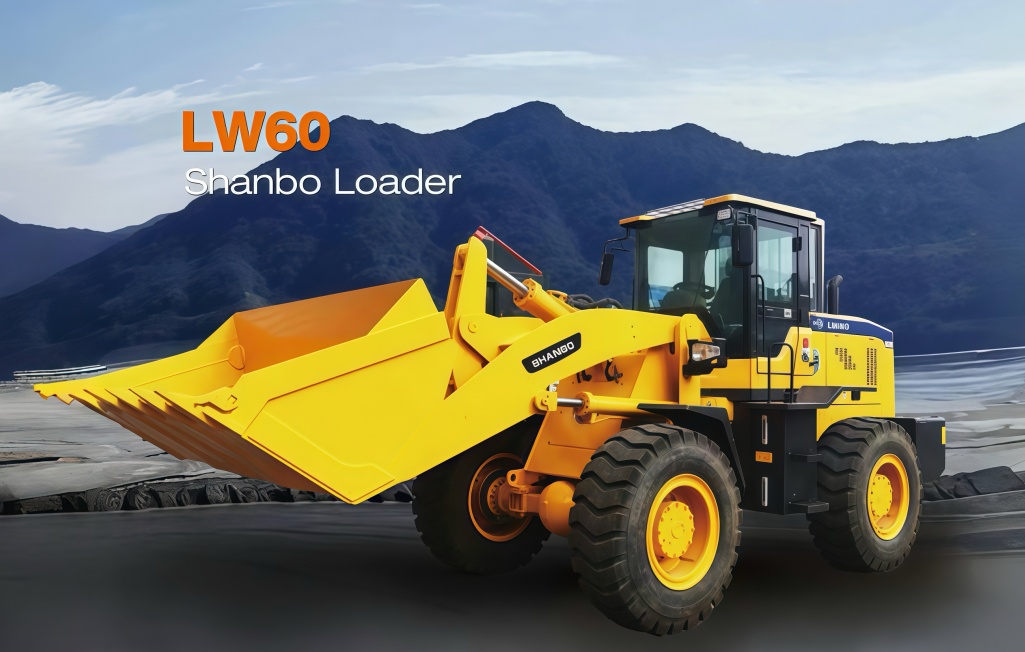
A wheeled loader is a versatile machine mainly used for moving and loading materials. It is equipped with a large front bucket and operates by using wheels, enabling it to move quickly on the job site. Wheel loaders are typically used to scoop, transport and load soil, gravel, sand, debris or aggregates into trucks, bins, or piles.
One of the greatest advantages of wheel loaders is their speed and maneuverability. Since they use wheels instead of tracks, they can move more quickly on flat or paved surfaces and easily transfer between different areas of the work site. This makes them particularly useful in operations that require repeated short or medium-distance transportation of materials. Modern wheel loaders also support various attachments, such as forks, grabs, snow shovels, and so on, further enhancing their versatility.
Wheel loaders are often favored in applications such as:
- Loading trucks in quarries or gravel pits
- Material handling at recycling plants
- Snow removal in urban or industrial areas
- Landscaping and site cleanup
- Agricultural and industrial operations
Their ability to perform multiple roles efficiently makes them a go-to machine when flexibility and speed are priorities.
Understanding the Bulldozer
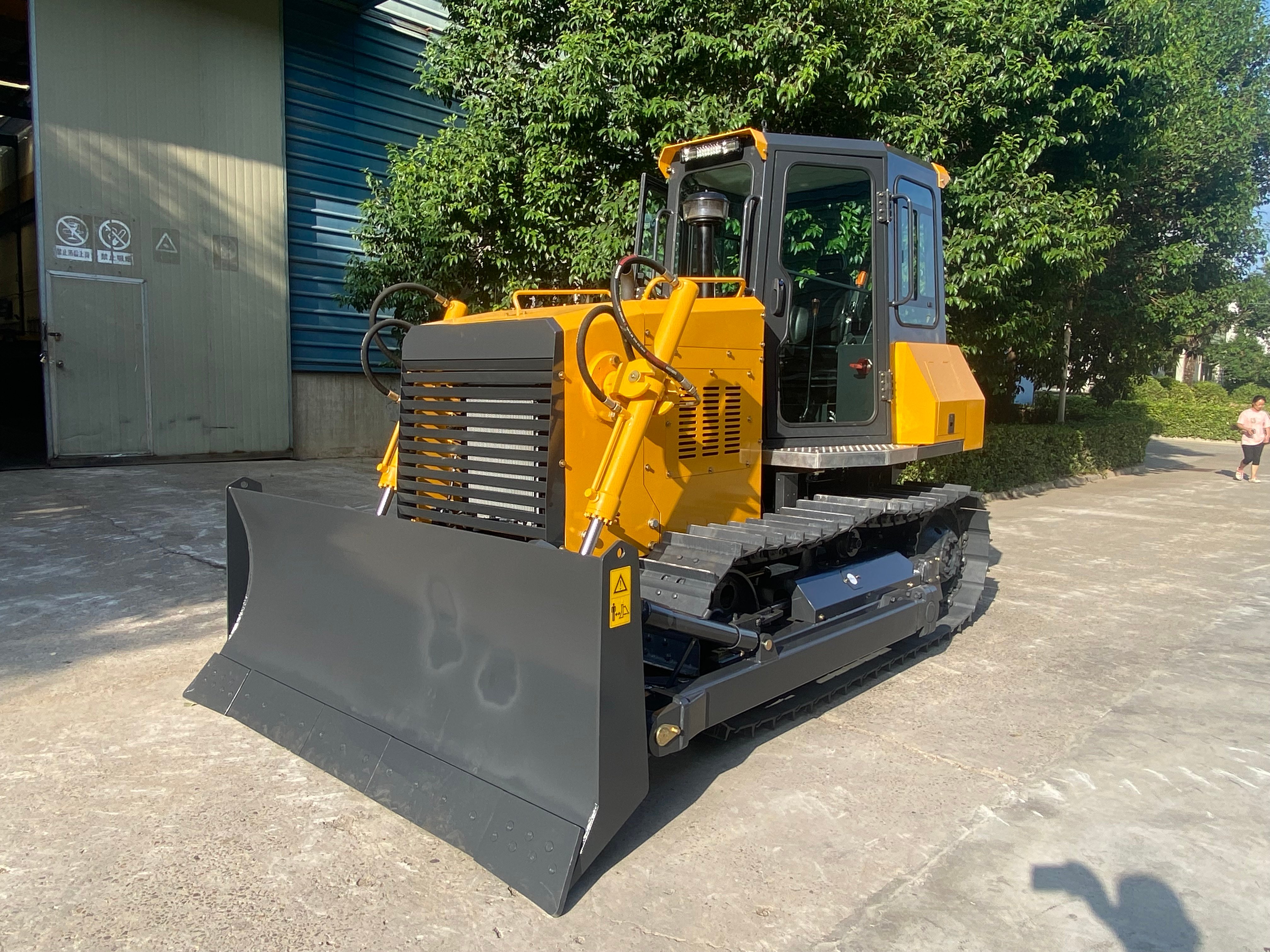
A bulldozer, often simply referred to as "dozer", is a track-mounted machine specifically designed for earthmoving, leveling, and excavation work. It is equipped with a large front bulldozer blade, and sometimes a loosening device at the rear, used to break hard ground. Unlike wheel loaders, bulldozers are not designed for long-distance material transportation; instead, they excel at pushing large amounts of soil, rocks, or debris at the job site.
The prominent feature of a bulldozer is its crawler chassis. The crawler chassis can evenly distribute the weight of the machine, providing excellent traction and stability on uneven, muddy or steep terrains. This enables the bulldozer to operate under conditions where wheeled machinery cannot function or may even get stuck.
Bulldozers are commonly used for:
- Clearing land and removing vegetation
- Rough grading and leveling terrain
- Pushing soil or rock over short distances
- Road construction and foundation preparation
- Mining and large-scale earthmoving
If a project involves reshaping the landscape or working in challenging ground conditions, a bulldozer is often the preferred choice.
Key Differences in Function and Design
The most fundamental difference between wheel loaders and bulldozers lies in the way they move and handle materials. Wheel loaders are used for loading and transporting, while bulldozers are used for pushing and shaping. This distinction affects almost all aspects of their performance.
Mobility: Wheel loaders can move faster and with greater maneuverability on solid and flat ground. They can travel long distances efficiently and are easier to transport between different work sites. While bulldozers are slower, they have an unparalleled advantage on rough or soft terrain due to their tracked chassis.
Material Handling: Wheel loaders are highly suitable for lifting and loading materials onto trucks or into storage piles. Bulldozers are better suited for pushing large amounts of material on the ground and for shaping the terrain.
Precision vs. Power: Bulldozers possess outstanding control capabilities in land leveling and terrain shaping, especially during the initial stages of a project. On the other hand, wheel loaders excel in repetitive loading tasks that require precise lifting and dumping.
Cost and Operating Considerations
From a cost perspective, both of these machines represent a considerable investment. However, their operating costs will vary depending on the type of work. Wheel loaders typically consume less fuel during loading operations and may require less maintenance on stable ground or paved surfaces. However, in abrasive or rocky environments, the wear on their tires can be rapid.
The fuel consumption of bulldozers is usually higher, especially in heavy earthmoving operations, and the maintenance costs of their crawler chassis can also be quite high. Nevertheless, in cases where wheel loaders are inadequate or inefficient, bulldozers can actually reduce the overall project cost by completing tasks more quickly and minimizing delays.
Choosing the Right Machine for Your Project
The choice between a wheel loader and a bulldozer should be based on the main requirements of the project. Ask yourself a few key questions:
Do you need to load and transport the materials, or are you mainly responsible for earthmoving and terrain shaping?
Is the work site flat and stable, or is it uneven and rugged?
Does the machine need to frequently move within the site or between different locations?
Are you looking for versatility or maximum earthmoving power?
If your project involves frequent loading, material handling and movement within the site, such as in construction sites, quarries or industrial facilities, then a wheel loader might be a better choice. If the focus of the work is land clearing, leveling or operation in harsh ground conditions, then a bulldozer will offer outstanding performance.
Conclusion
Wheel loaders and bulldozers are both indispensable heavy equipment, but they are not interchangeable. A wheel loader offers speed, versatility, and efficient material handling, while a bulldozer delivers raw pushing power, stability, and precision in shaping terrain. By carefully evaluating your project’s terrain, tasks, and workflow, you can determine which machine will provide the best return on investment and ensure your project runs smoothly from start to finish.
 Hot News
-
24-Ton Excavator: A Stable and Reliable One-Stop Solution for Infrastructure, Mining, and Material Handling
2026-10-27
-
Loader Applications Across Diverse Operating Conditions: A Comprehensive Guide to Real-World Use Cases for Every Operational Need
2026-10-27
-
Versatile 38-Ton Excavator: An Efficient Solution for Mining, Road Construction, and Earthmoving Challenges
2026-10-27
-
17-Ton Class Hydraulic Crawler Bulldozer | Versatile Blade Options for Mining, Infrastructure, and Earthmoving Projects
2026-10-27
-
Comprehensive Coverage of Bulldozer Applications: Tailored Selection for All Your Earthmoving Needs
2026-10-27
-
Shantui BL75-C SD Backhoe Loader – Special Clearance Sale
2026-10-23