Bulldozer Track Parts Explained: Types, Functions, and Maintenance Tips
Bulldozers are among the most powerful and versatile machines in construction, mining, forestry, and earthmoving. At the heart of their ability to push massive loads across rough, uneven terrain is the track system. Unlike wheeled machines, bulldozers rely on tracks to distribute weight, improve traction, and maintain stability.
Understanding bulldozer track parts—their types, functions, and proper maintenance—is essential for operators, mechanics, and equipment owners who want to maximize performance and extend machine life.
Overview of the Bulldozer Track System
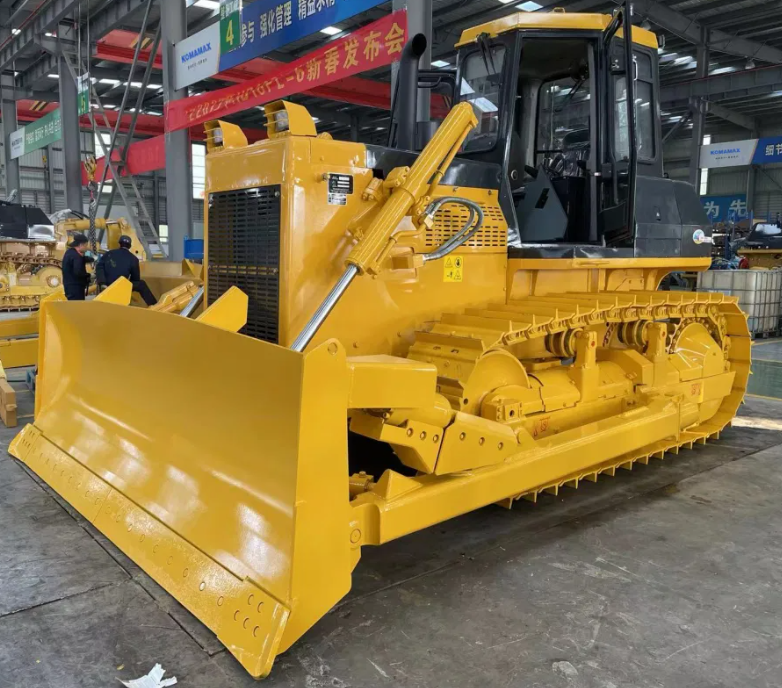
A bulldozer’s track system is a complex assembly of interconnected components designed to work together under extreme stress. These parts convert engine power into forward motion while supporting the machine’s weight and absorbing shock from the ground.
The system typically includes track chains, track shoes, rollers, idlers, sprockets, pins, and bushings. Each component has a specific role, and failure in one area can quickly affect the entire undercarriage. Because the undercarriage often represents a significant portion of a bulldozer’s total ownership cost, understanding its components and maintenance requirements is critical.
Key Bulldozer Track Parts and Their Functions
1. Track Chains
Track chains, also known as track links, form the backbone of the track system. They consist of interconnected metal links joined by pins and bushings, creating a continuous loop around the rollers, idler, and sprocket.
Function:
Track chains transmit power from the sprocket to the ground, enabling the bulldozer to move. They also support the machine’s weight and maintain alignment of the track shoes.
Common Types:
Sealed and lubricated chains: Designed to retain lubricant around pins and bushings, reducing wear and extending service life.
Dry chains: Simpler and less expensive, but wear faster and require more frequent replacement.
2. Track Shoes
Track shoes are bolted to the track chains and are the only components that directly contact the ground. They come in various widths and designs depending on terrain and application.
Function:
Track shoes provide traction and flotation. Wider shoes reduce ground pressure, making them ideal for soft or muddy terrain, while narrower shoes offer better maneuverability on hard surfaces.
Common Types:
Single-grouser shoes: General-purpose, suitable for most conditions.
Double-grouser shoes: Provide smoother operation and are often used in grading applications.
Triple-grouser shoes: Offer maximum traction on hard or rocky ground.
Swamp or wide shoes: Designed for low ground pressure in soft soils.
3. Track Rollers
Track rollers are mounted along the bottom of the undercarriage frame and support the weight of the bulldozer as it moves.
Function:
They guide the track chain and distribute the machine’s load evenly across the track. Rollers also help reduce friction and maintain proper track alignment.
Maintenance Considerations:
Rollers are typically sealed and lubricated, but worn seals can lead to oil loss and rapid failure. Regular inspection for leaks and uneven wear is essential.
4. Carrier Rollers
Carrier rollers sit on top of the track frame and support the upper portion of the track chain.
Function:
They keep the track properly aligned and prevent sagging during operation, especially on larger bulldozers with long track frames.
Common Issues:
Carrier rollers often wear faster in muddy or abrasive environments due to constant exposure to debris.
5. Front Idler
The front idler is a large wheel located at the front of the track system. It works closely with the track tensioning mechanism.
Function:
The idler guides the track and helps maintain proper tension. It also absorbs shock loads when the bulldozer encounters obstacles.
Maintenance Tip:
Improper track tension can accelerate idler wear. Over-tightened tracks increase stress, while loose tracks may derail.
6. Sprockets
Sprockets are toothed wheels mounted at the rear of the track system and connected directly to the final drive.
Function:
They engage with the track chain bushings, converting engine power into track movement.
Wear Patterns:
Sprockets wear in relation to track chains. Installing new sprockets with worn chains (or vice versa) can lead to accelerated wear and poor performance.
7. Pins and Bushings
Pins and bushings connect the individual track links and allow the chain to flex as it moves around rollers and sprockets.
Function:
They enable articulation of the track chain while transferring power and load.
Maintenance Options:
Turn or rotate bushings: Extends track life by exposing a new wear surface.
Replace pins and bushings: Often required when wear exceeds service limits.

Common Types of Bulldozer Track Systems
Bulldozers generally use one of two track system designs:
Standard Track (Conventional Undercarriage): Designed for general construction and earthmoving, offering a balance of durability and cost.
Heavy-Duty or Extreme-Service Track Systems: Built with reinforced components for mining, quarrying, and abrasive conditions, providing longer life at a higher upfront cost.
Selecting the right track system depends on application, terrain, and expected operating hours.
Bulldozer Track Maintenance Tips
Proper maintenance can significantly extend the life of bulldozer track parts and reduce downtime.
Maintain Correct Track Tension: Check and adjust track tension regularly according to manufacturer specifications. Incorrect tension is one of the leading causes of undercarriage wear.
Perform Daily Visual Inspections: Look for cracked shoes, loose bolts, oil leaks from rollers, and uneven wear patterns. Early detection prevents costly failures.
Clean the Undercarriage: Remove packed mud, rocks, and debris, especially after working in wet or rocky conditions. Debris accelerates wear and can cause derailments.
Rotate or Replace Components Strategically: Components such as bushings and sprockets should be serviced as a system. Proper timing reduces the overall cost per hour.
Match Track Shoes to the Job: Using the wrong shoe type increases wear and reduces efficiency. Select shoes based on terrain and application.
Conclusion
Bulldozer track parts play a vital role in machine performance, durability, and operating costs. From track chains and shoes to rollers, idlers, and sprockets, each component has a specific function that contributes to the bulldozer’s ability to work efficiently in demanding environments.
By understanding the types of track parts available, how they function, and how to maintain them properly, operators and equipment owners can significantly extend undercarriage life, improve productivity, and reduce long-term expenses. In heavy equipment operations, proper maintenance of bulldozer tracks is not only good practice, but also a wise investment.
 Hot News
-
24-Ton Excavator: A Stable and Reliable One-Stop Solution for Infrastructure, Mining, and Material Handling
2026-10-27
-
Loader Applications Across Diverse Operating Conditions: A Comprehensive Guide to Real-World Use Cases for Every Operational Need
2026-10-27
-
Versatile 38-Ton Excavator: An Efficient Solution for Mining, Road Construction, and Earthmoving Challenges
2026-10-27
-
17-Ton Class Hydraulic Crawler Bulldozer | Versatile Blade Options for Mining, Infrastructure, and Earthmoving Projects
2026-10-27
-
Comprehensive Coverage of Bulldozer Applications: Tailored Selection for All Your Earthmoving Needs
2026-10-27
-
Shantui BL75-C SD Backhoe Loader – Special Clearance Sale
2026-10-23