Construction Excavator Overview: Types, Functions, and Key Advantages
Excavators are one of the most important and widely used machinery in the construction equipment industry. From small urban projects to large-scale infrastructure construction, excavators play a crucial role in earthwork, material handling, demolition, and site preparation.
Thanks to the continuous advancements in engineering technology, hydraulic systems and intelligent control systems, modern excavators are more efficient, have better fuel economy and offer a more comfortable operating experience than ever before. This article will provide a comprehensive overview of construction excavators, highlighting their main types, core functions, and key advantages.
What Is a Construction Excavator?
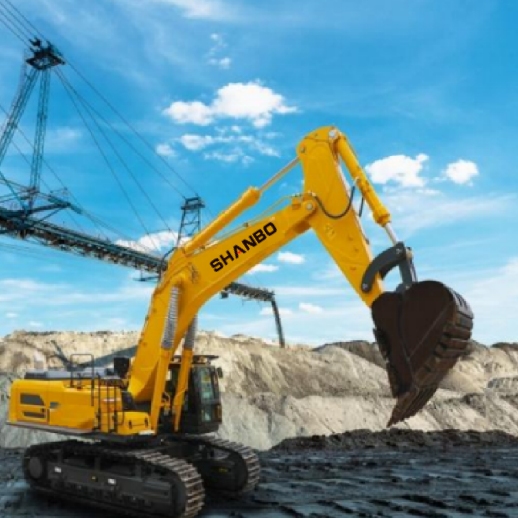
A construction excavator is a heavy machinery mainly used for digging and moving earth. It is typically composed of a rotating upper structure (cab), an arm, a bucket arm, a bucket, and a chassis equipped with tracks or wheels. The excavator is powered by a diesel engine (and increasingly by hybrid or electric systems) and operates with the help of advanced hydraulic systems to achieve precise and powerful movements.
Due to its modular design, the excavator can be equipped with various attachments, enabling it to perform a wide range of tasks beyond simple excavation. This flexibility makes it indispensable in construction, mining, landscaping and utility projects.
Main Types of Construction Excavators
Construction excavators can be classified based on size, mobility and application. Understanding these types is helpful for contractors to select the machine that best suits the specific needs of their projects.
Crawler Excavators
The crawler excavator is mounted on tracks. The crawler can evenly distribute the machine's weight on the ground. This structure provides excellent stability and traction, especially when operating on soft, uneven or muddy terrain. Therefore, the crawler excavator can maintain strong performance in harsh environments where other types of machinery may experience reduced efficiency or stability.
They are the most commonly used excavators in large construction sites, such as road construction, mining operations and foundation engineering. With a powerful hydraulic system and sturdy structural components, crawler excavators have high digging power and lifting capacity, and are highly suitable for heavy tasks and long-term projects that require continuous and reliable operation.
Wheeled Excavators
The wheeled excavator is equipped with rubber tires instead of tracks, enabling it to move quickly and efficiently on paved roads or solid surfaces. Its high maneuverability makes it an ideal choice for projects that require frequent movement between work areas, especially in urban environments where road conditions need to be protected.
Because wheel excavators cause less damage to the completed road surface, they are widely used in urban construction, road maintenance and public facility installation projects. The faster driving speed helps reduce downtime, while the lower on-site transportation costs enhance the overall project efficiency and productivity.
Mini and Compact Excavators
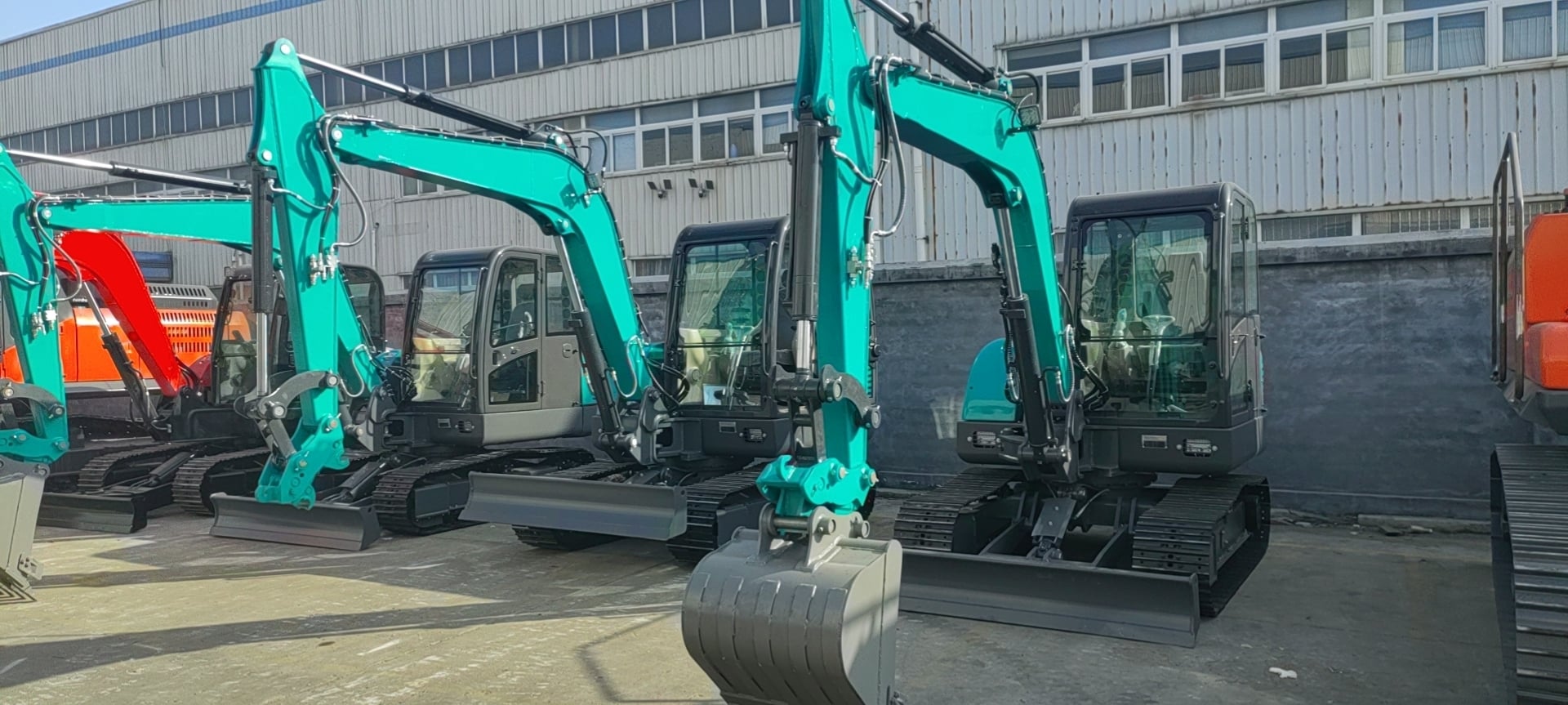
Mini and compact excavators are machines with small size and light weight, specially designed for operations in confined spaces. Their compact dimensions enable them to enter narrow areas, such as residential yards, indoor construction sites, and narrow urban areas where large machines cannot operate effectively.
These excavators are typically used for residential construction, landscaping, pipeline installation and interior demolition. Besides being easy to transport, mini excavators also have lower fuel consumption and maintenance costs, making them an economical choice for small to medium-sized projects that require precision and flexibility.
Long-Reach Excavators
The long-reach excavator is equipped with an extended boom and dipper stick, enabling it to perform tasks at greater distances and deeper depths than standard excavators. This design allows the operator to complete the job without frequently moving the machine, thereby enhancing the efficiency and safety in complex operation sites.
They are widely used in special applications such as dredging, riverbank reinforcement, slope protection and high-rise building demolition. By covering a larger working area from a single position, the long-arm excavator helps to reduce operational risks while enhancing the productivity of demanding large-scale projects.
Core Functions of Excavators
The excavator is designed to perform various construction tasks. Its versatility is one of the main reasons for its widespread use throughout the industry.
Digging and Earthmoving: The main function of an excavator is to dig ditches, foundations and holes. With a powerful hydraulic system, the excavator can handle various types of soil, including clay, sand and rock strata.
Lifting and Material Handling: By equipping with appropriate attachments, such as grabs or lifting hooks, the excavator can safely lift and move heavy materials like pipes, concrete blocks and steel structures.
Demolition: By replacing the bucket with a hydraulic breaker, crusher or shearing machine, the excavator can efficiently dismantle buildings, road surfaces and reinforced concrete structures.
Grading and Landscaping: The excavator is also used for slope trimming, leveling and landscaping tasks. Its precise control enables the operator to achieve accurate surface level and smooth finishes.
Specialized Applications: Equipped with attachments such as a spiral drill, a loosening tool and an inclined bucket, the excavator can perform drilling, land clearing and trench profile measurement, enabling it to meet the requirements of various projects.
Key Advantages of Construction Excavators
Investing in high-quality excavators brings numerous advantages to construction companies and equipment operators.
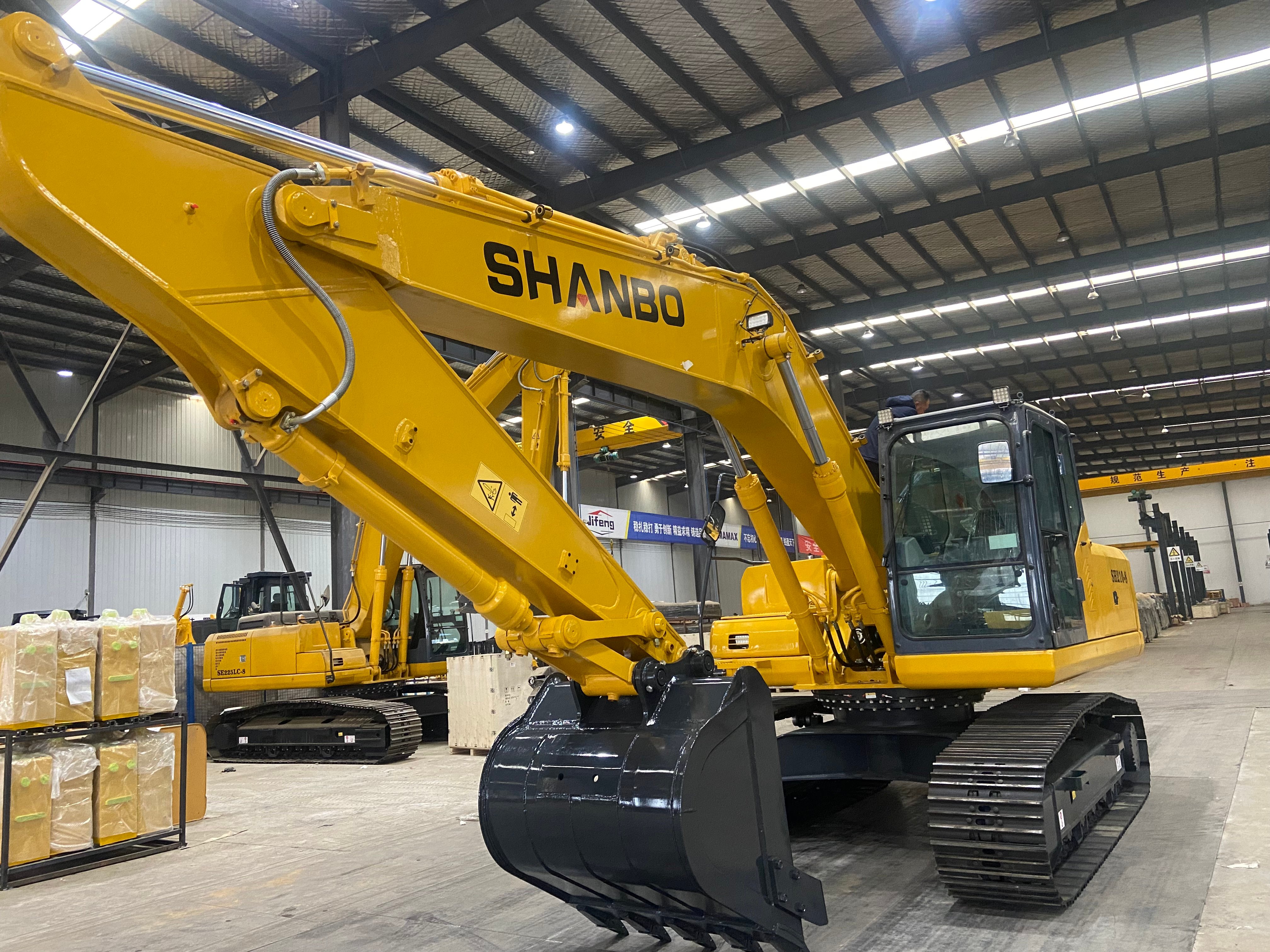
High Versatility: The excavator can perform multiple tasks with just a change of attachments. This reduces the need for other equipment and lowers the overall project cost.
Strong Productivity and Efficiency: Modern excavators are designed to achieve the best fuel efficiency and high productivity. The advanced hydraulic system and intelligent engine management ensure shorter cycle times and lower fuel consumption.
Enhanced Operator Comfort and Safety: The ergonomically designed cab, improved visibility, low-noise operation, as well as advanced safety features such as cameras and overload warning systems, help reduce operator fatigue and enhance safety on construction sites.
Durability and Reliability: The construction excavator is manufactured with reinforced structure and high-quality components, capable of withstanding harsh working conditions. Appropriate maintenance can ensure a longer service life and higher investment return.
Adaptability to Different Projects: From small residential projects to large infrastructure projects, excavators come in various sizes and configurations, allowing contractors to select the appropriate machine for each application.
Conclusion
Construction excavators are a cornerstone of modern construction equipment, offering unmatched versatility, power, and efficiency. By understanding the different types of excavators, their core functions, and their key advantages, construction professionals can make informed decisions when selecting equipment for their projects. As technology continues to advance, excavators will become even more efficient, intelligent, and environmentally friendly, further strengthening their role in the construction industry.
 Hot News
-
Shantui BL75 Backhoe Loader – Special Clearance Sale: Versatile "All-in-One" Construction Machine Available Now
2026-10-15
-
Shanbo SH380 Crawler-Type Heavy-Duty Mining Excavator – Powered by Cummins for Stable, High-Performance Output
2026-10-15
-
SHANBO EW50 Electric Loader Launched: Dual-Gun Fast Charging & Long Range
2026-10-15
-
Introduction to the Backhoe Loader: What Is It? An Overview of the Multifunctional Machine
2026-10-06
-
Operational Scenarios and Applications for the 38-Ton Excavator | SHANBO Large Excavator for Mining and Infrastructure Construction
2026-10-06
-
SHANBO EW30 Electric Loader – 3-Ton Lithium-Powered Wheel Loader – Zero-Emission Loader for Mines and Construction Sites
2026-09-24