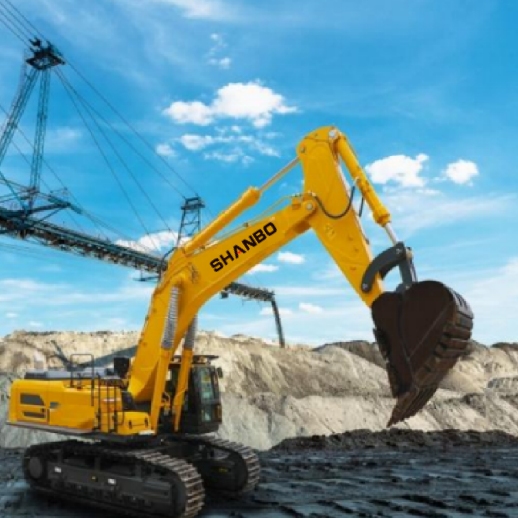
Bulldozer Transport Guide: Best Practices, Safety Tips, and Cost Factors
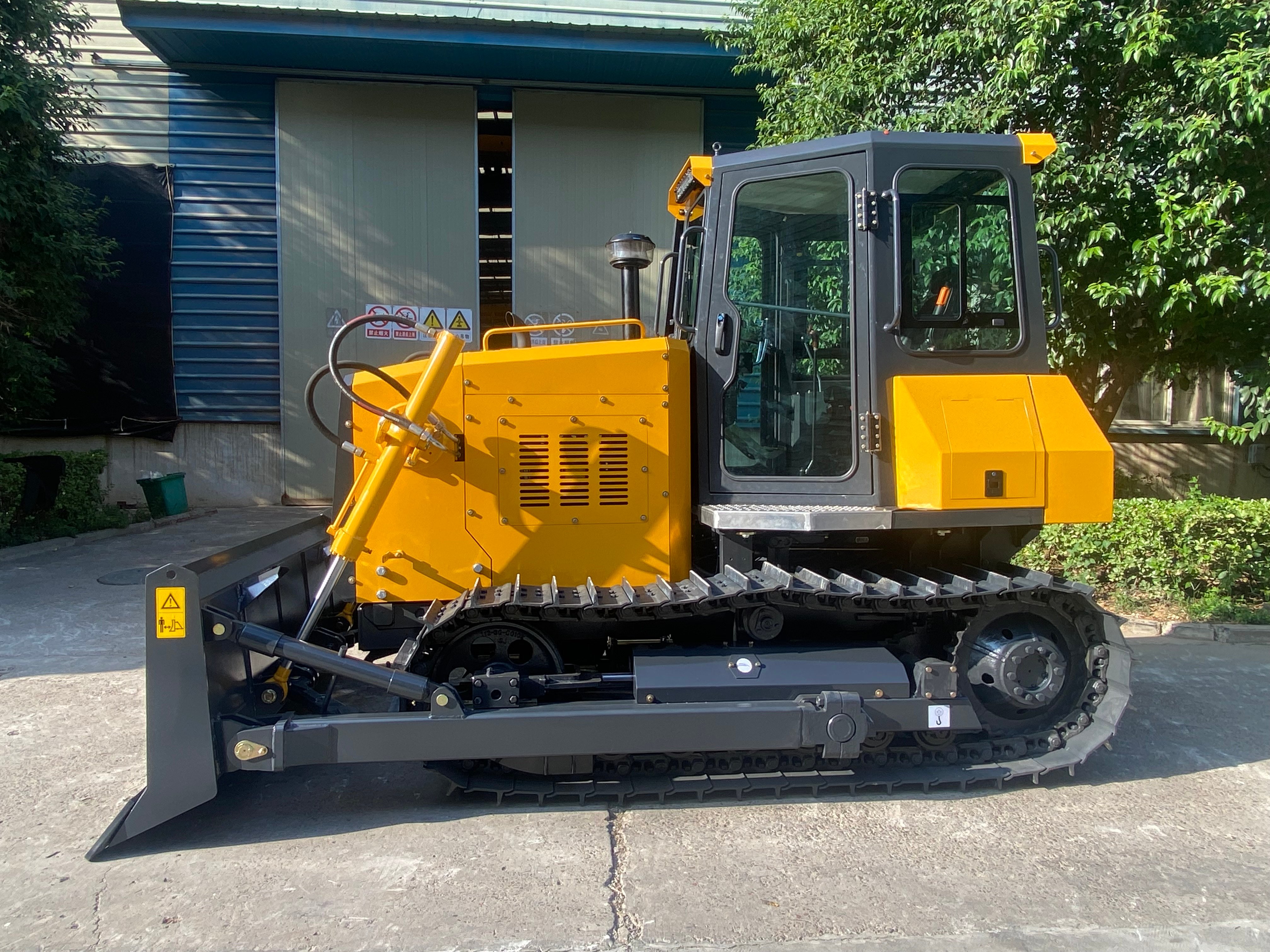
At first glance, transporting bulldozers seems like a simple task, but in fact, it is a complex process that requires meticulous planning, professional equipment, and compliance with safety regulations. Bulldozers are bulky mechanical equipment. Depending on the model, their weight usually ranges from 10,000 to 100,000 pounds or more.
Transporting bulldozers efficiently and safely is not merely about loading them onto trailers and driving them to their destinations. This guide covers best practices, safety precautions, and cost factors, aiming to assist contractors, construction companies, and machinery manufacturers in transporting bulldozers with the least risk and the highest efficiency.
1. Planning and Preparation
Proper planning is the foundation for the safe transportation of bulldozers. The first step is to understand the specific requirements of the bulldozer to be transported, including its weight, size, and type. Most bulldozers can be classified as small, medium, or large, which directly affects the choice of trailer and the type of license required for transportation.
After understanding the specifications, select the appropriate mode of transportation. Low flatbed trailers are the most commonly used choice for transporting bulldozers because their lower platform height enables heavy machinery to pass safely under bridges and overpasses. In some cases, flatbed trailers can also be used to transport smaller bulldozers, but for very heavy or oversized goods, their stability is relatively poor. Make sure the trailer has the appropriate carrying capacity to safely transport the bulldozer, while taking into account the weight and size.
Route planning is equally important. Before transportation, check the proposed route for any potential obstacles, such as narrow roads, low bridges, sharp turns and construction areas. Some routes may require special permits, especially when bulldozers are oversized cargo. Planning in advance helps avoid last-minute problems, traffic delays or accidents, and can significantly reduce the total transportation time and cost.
2. Securing Permits and Regulatory Compliance
Transporting heavy machinery usually requires compliance with strict regulations. Depending on the state or country/region, bulldozers may require special permits for oversized or overweight cargo. Regulations usually stipulate weight limits for each axle and total length limits for trailers. If these limits are exceeded without obtaining the appropriate license, it may result in fines, delays, or even vehicle impaction.
To obtain the necessary license, documents regarding the weight, size, transportation route, and itinerary of the bulldozer need to be provided. Some jurisdictions also require that certain oversized goods be accompanied by escort vehicles or guide vehicles to ensure public road safety.
3. Loading and Unloading Best Practices
Loading a bulldozer onto a transport trailer requires skill and meticulous attention. The first step is to prepare the trailer and make sure it is parked on level ground. Check the trailer for any damage and confirm that the ramp, chain and fixed points are in good condition. Adequate preparation can prevent accidents and ensure the smooth progress of the loading process.
When loading a bulldozer, it is essential to use a ramp with an appropriate inclination angle to prevent it from overturning or sliding backward. Activate the brake of the bulldozer and, if necessary, use a guide to safely drive the machine onto the trailer. Place the bulldozer on the trailer so that its weight is evenly distributed across the trailer's axles. If too much weight is concentrated at the rear or front, it may cause instability during transportation. For bulldozers equipped with large blades or accessories, it may be necessary to disassemble or fix these components to prevent damage or affect the clearance of the trailer.
After the bulldozer is loaded onto the trailer, it must be properly fixed. Use heavy-duty chains or straps to secure the machine to the trailer. The fixed points on the bulldozer and the trailer must be capable of withstanding the corresponding load. Check each chain and connection point to ensure they are not loose, and carefully inspect all the fixed points before moving the trailer. This step is of vital importance.
The unloading process is the opposite of the loading process, but it also requires the same meticulous attention. Make sure the unloading area is flat, free of obstacles, and without personnel or vehicles. Slowly drive the bulldozer down the slope. Use a guide if necessary and make sure all safety measures are in place before starting the machine.
4. Safety Considerations
Safety should always be given top priority during the transportation of bulldozers. Due to the size and weight of the vehicle, there is a risk of overturning, rolling over, or colliding with the infrastructure. It is essential to comply with industry safety standards and guidelines, and ensure that all relevant personnel have received training in heavy machinery transportation.
Operators and ground personnel should wear personal protective equipment, such as gloves, steel-toed boots, and high-visibility clothing. Clear communication must be maintained among drivers, commanders, and other staff members to prevent accidents. In addition, inspecting bulldozers and trailers before and after transportation can help detect potential mechanical failures or damage.
Weather conditions can also affect safety. Wet or icy roads increase the risk of skidding or loss of control, especially when transporting overweight goods. In bad weather conditions, it may be necessary to postpone transportation or choose other routes to ensure safe delivery.
5. Cost Factors in Bulldozer Transport
The transportation cost of bulldozers varies due to a variety of factors, including transportation distance, machine size, trailer type, license and labor cost. Short-distance transportation within the same city or region is usually cheaper than long-distance interstate or cross-border transportation. Oversized or overweight bulldozers usually require dedicated trailers, additional licenses, and may even need escort vehicles, which will increase the total cost.
Labor costs include the driver's time as well as the expenses of other personnel required for loading, unloading and securing the bulldozer. The fuel cost of heavy-duty transport trucks is also an important factor, as transporting oversized goods consumes more fuel than standard goods. Some transportation companies offer insurance for bulldozers during transportation, which increases costs but provides necessary protection against damage or loss.
Choosing the right transportation company will also affect the cost. Experienced and well-equipped contractors may charge higher fees, but they can reduce the risk of accidents or delays. On the contrary, choosing a cheap supplier without the necessary expertise may lead to damage, fines, or extended delivery times, ultimately increasing the overall cost.
6. Choosing a Professional Transport Service
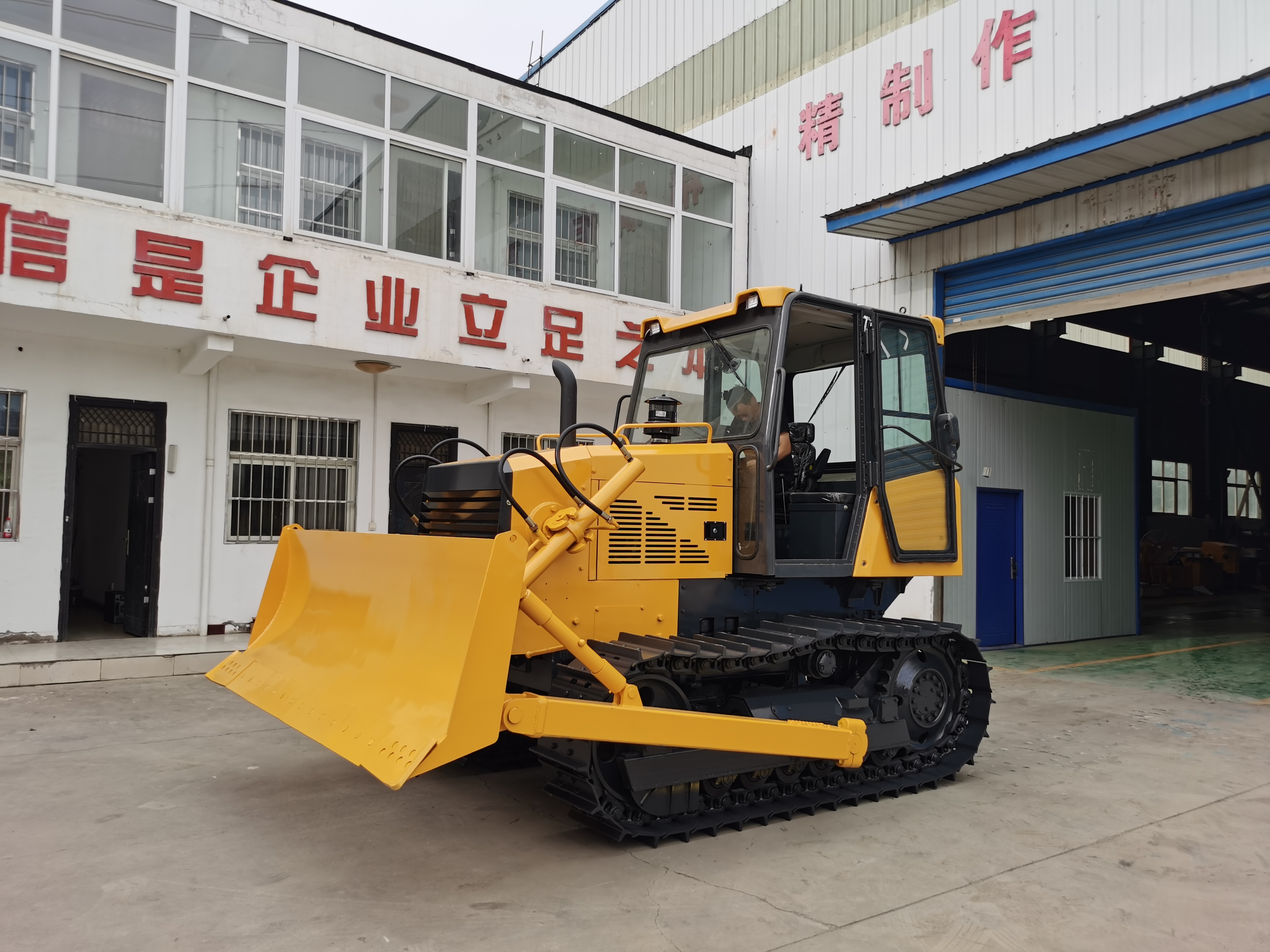
Given the complexity of bulldozer transportation, hiring professional transportation services is usually the safest and most effective option. Reputable companies have professional trailers, well-trained drivers, and are familiar with license requirements and safety regulations. They can manage every step of the transportation process, from route planning and license processing to loading, securing and unloading.
When choosing a transportation service provider, please check their track record, licenses, and insurance coverage. Reading customer reviews and requesting recommendation letters can help ensure the reliability of transportation services and reduce the risk of problems during transportation.
Conclusion
Transporting bulldozers is a complex task that requires meticulous planning, compliance with relevant regulations, and a focus on safety. From route planning and license processing to safe loading and cost management, every step is crucial to ensure the smooth completion of transportation. Following best practices can not only prevent accidents and equipment damage, but also reduce delays and additional costs.
 Hot News
-
Shantui BL75 Backhoe Loader – Special Clearance Sale: Versatile "All-in-One" Construction Machine Available Now
2026-10-15
-
Shanbo SH380 Crawler-Type Heavy-Duty Mining Excavator – Powered by Cummins for Stable, High-Performance Output
2026-10-15
-
SHANBO EW50 Electric Loader Launched: Dual-Gun Fast Charging & Long Range
2026-10-15
-
Introduction to the Backhoe Loader: What Is It? An Overview of the Multifunctional Machine
2026-10-06
-
Operational Scenarios and Applications for the 38-Ton Excavator | SHANBO Large Excavator for Mining and Infrastructure Construction
2026-10-06
-
SHANBO EW30 Electric Loader – 3-Ton Lithium-Powered Wheel Loader – Zero-Emission Loader for Mines and Construction Sites
2026-09-24