How Bulldozer Work Gets Done: Key Tasks, Techniques, and Applications
Bulldozers are one of the most powerful and indispensable machines in the construction and earthwork industry. With their high horsepower, durable tracks, and multi-functional blade configurations, they are capable of handling all kinds of arduous tasks.
Whether used for large-scale land development, mining operations, road construction or precise leveling work, bulldozers can efficiently and reliably shape the built environment. To fully understand their value on construction sites, it is crucial to know the working principle of bulldozers, the techniques used by operators, and the various applications these machines excel at.
Core Tasks Bulldozers Perform
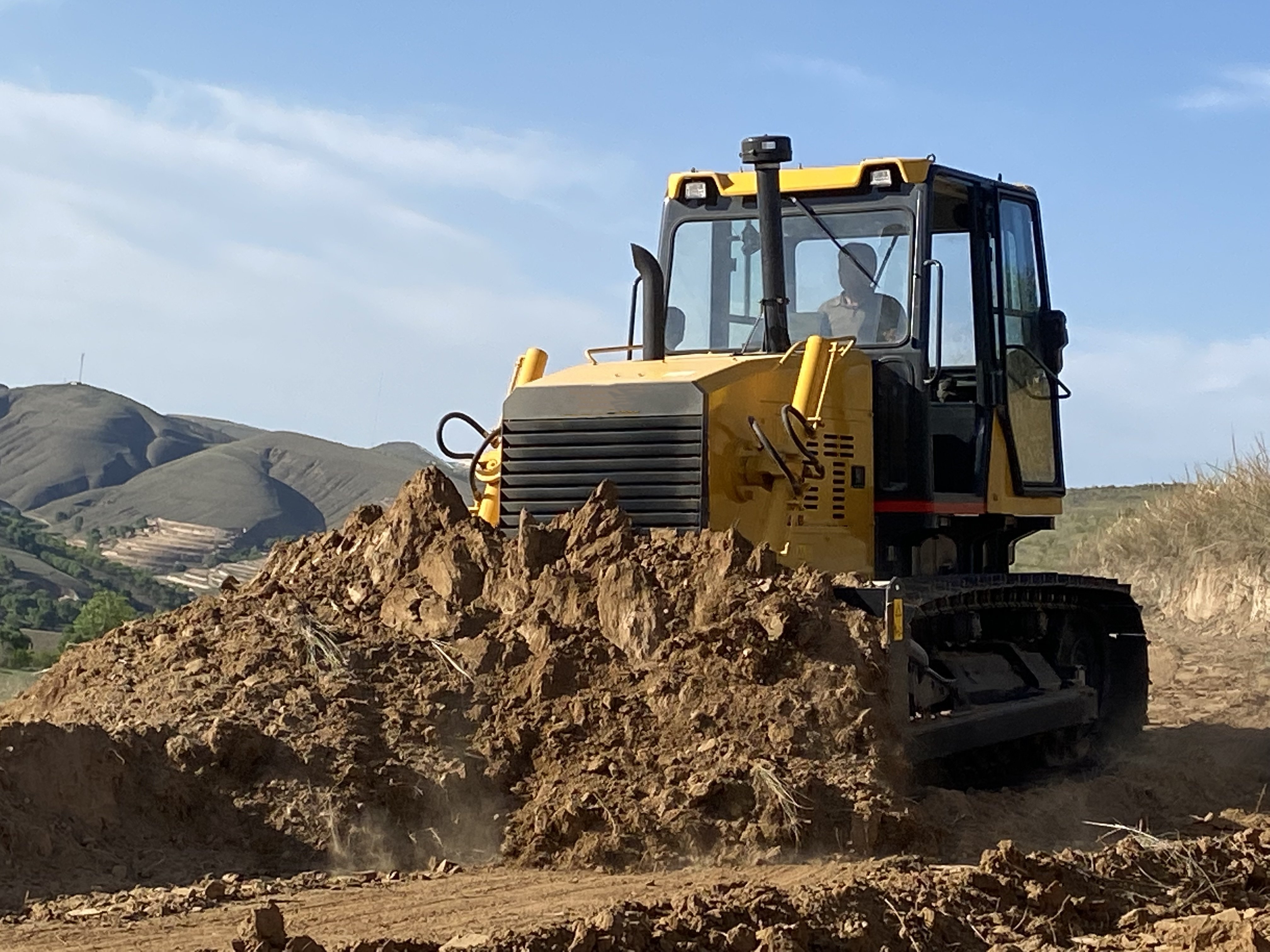
The main advantage of a bulldozer lies in its ability to exert a huge thrust. This force, combined with the sturdy bulldozer blade installed at the front of the machine, enables the bulldozer to complete a number of important tasks.
1. Land Clearing
Land clearing is the first step in most construction or development projects. Bulldozers perform well in this aspect thanks to their powerful thrust and solid structure. Operators can easily clear shrubs, short trees and smaller trees using a straight shovel or a general-purpose shovel. For more stubborn root systems, the soil loosener installed at the rear of the machine can penetrate compacted soil and pull out vegetation. This process can quickly transform the uneven and obstructive terrain into a site suitable for subsequent construction phases.
2. Excavation and Earthmoving
Bulldozers are highly efficient in moving large amounts of soil, sand and gravel. The operator uses an inclined shovel or a straight shovel to cut into the ground and push the material forward. This is particularly useful when building embankments, leveling hills or redistributing soil for foundations. Although excavators can perform deeper digging, bulldozers are unrivaled in shallow excavation and short-distance efficient horizontal pushing.
3. Grading and Leveling
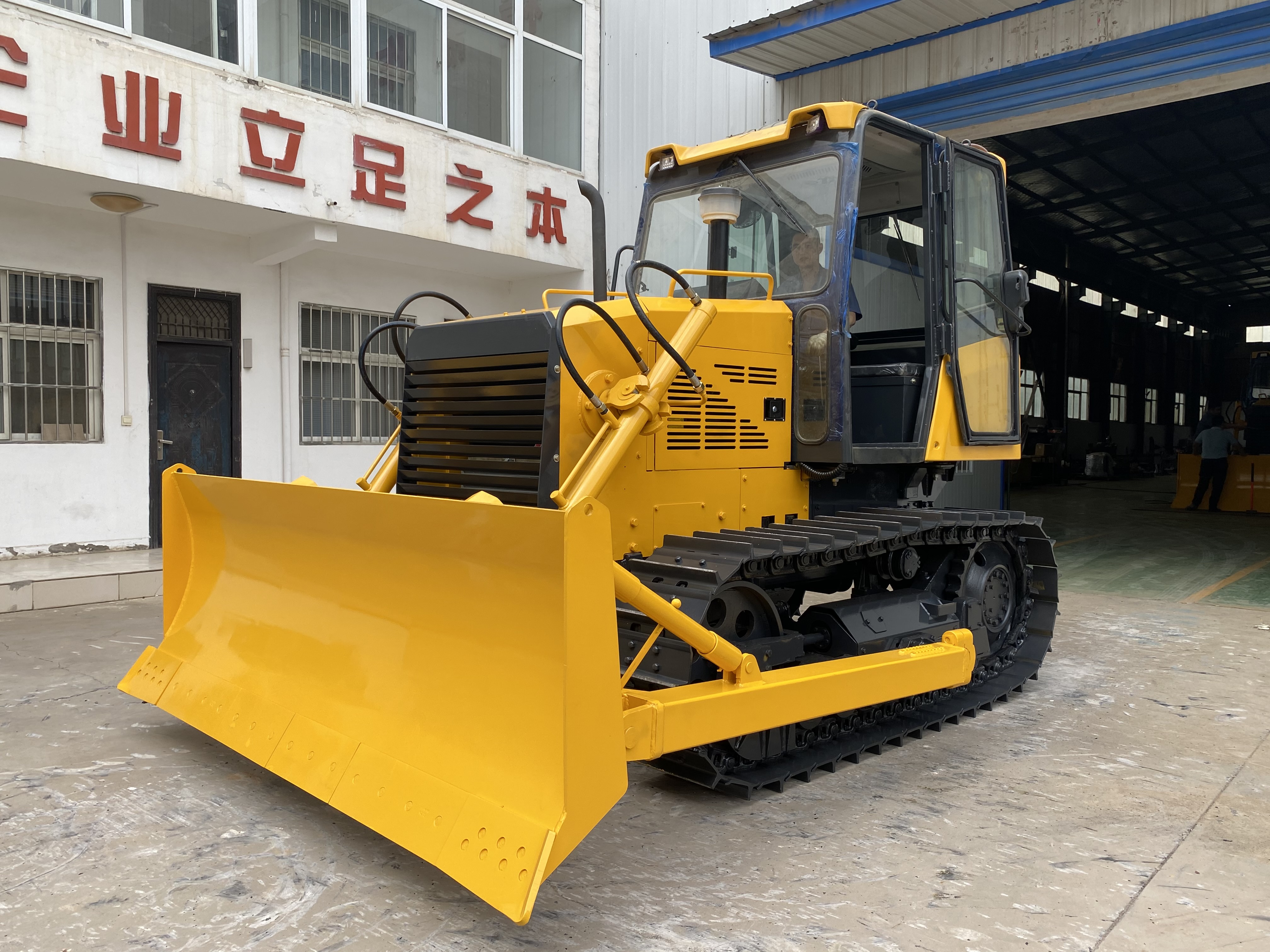
Precise leveling is a key task in road construction, foundation laying and site preparation for landscaping. Modern bulldozers equipped with GPS slope control technology enable operators to achieve millimeter-level precision. The blade can be adjusted through the hydraulic system to create a smooth and flat surface, ensure proper drainage, and reduce the need for subsequent use of the motor grader.
4. Road and Pathway Construction
From rural roads to temporary construction site access roads, bulldozers are typically used to build and maintain passable roads. They can traverse rough terrain, clear obstacles and evenly spread aggregates. Their track system distributes the weight over a larger area, enabling them to work effectively in soft or muddy conditions where wheeled machinery may get trapped.
5. Demolition and Debris Removal
Bulldozers are also used in demolition projects. Their blades and sturdy frame enable them to topple fragile buildings, clear debris and transport ruins to designated treatment areas. In post-disaster rescue operations, bulldozers helped reopen blocked roads, clear fallen trees and restore the passage of emergency vehicles.
Key Techniques Operators Use
While having the right machine is important, efficient bulldozer operation also depends on the operator's skills. There are several techniques that can determine how a bulldozer can safely and effectively complete its task.
1. Slot Dozing
Slot dozing is a technique in which an operator digs a trench or groove on the ground and then pushes the material into it. The slot walls can reduce material overflow, enabling the bulldozer to move more materials more efficiently. This technique is particularly useful when dealing with loose soil or sand.
2. Side Casting
When conducting road construction on slopes or embankments, operators use angled blades to push the soil to both sides instead of pushing it straight forward. This can keep the construction progress smoother and reduce unnecessary movements. Lateral pushing is also often used for digging ditches and widening roads.
3. Backfilling
After the installation of public utility pipelines, pipes or foundations, bulldozers are used for backfilling. The operator pushes the soil into the trench and then compacts the soil by driving the machine to roll it over the backfill area. With their weight and mobility, bulldozers can achieve uniform compaction over a large area.
4. Ripping Hard Ground
Hard or rocky ground needs to be crushed before being moved. Bulldozers equipped with single- or multi-shank rippers can break up the surface layer of the ground, making it easier for the blades to handle materials. This enhances efficiency and reduces wear on the blades and tracks.
5. Finish Grading
Finish grading requires the operator to have proficient skills, rich experience, and usually requires the assistance of a GPS slope control system. The operator carefully adjusted the blade angle to level the last few layers of soil and ensure that the surface met the engineering tolerance requirements. Good fine leveling can reduce drainage problems and prepare for road paving, planting or foundation construction.
Common Applications of Bulldozers Across Industries
Bulldozers are widely used in various industries due to their multi-functionality and durability. Some of the most common applications include:
1. Construction and Infrastructure Development
In the fields of commercial and residential construction, bulldozers are crucial for site leveling, road construction and maintaining construction sites. They almost run through the entire construction process - from clearing the first tree to shaping the final landscape.
2. Mining and Quarrying
The mining industry relies heavily on bulldozers for stripping topsoil, maintaining transportation roads and managing waste piles. Its durability and traction make it an ideal choice for working on loose, uneven or steep ground. Large mining bulldozers can operate for long periods under extreme conditions, making them one of the most efficient machines on site.
3. Agriculture and Land Development
Bulldozers are also widely used in the agricultural field for the construction of terraced fields, irrigation canals and roads. Farmers and land developers rely on bulldozers to level large areas of land, clear obstacles and improve drainage systems.
4. Forestry
In forestry operations, bulldozers are used for road construction, firebreak construction and post-logging clearance work. They can traverse rough terrain and push heavy objects, which makes them play an indispensable role in remote areas.
5. Disaster Response and Emergency Work
When natural disasters such as hurricanes, earthquakes or floods occur, bulldozers are among the first machines to be put into use. They help reopen traffic routes, clear fallen trees, move debris and support rescue efforts. Their reliability under harsh conditions makes them a trusted tool for emergency rescue teams around the world.
Conclusion
Despite the continuous development of specialized machinery, bulldozers remain irreplaceable due to their versatility, power and durability. Thanks to the improvements in hydraulic systems, operation control, engine technology and automatic slope control systems, modern bulldozers are more efficient and precise than ever before. They are capable of performing heavy earthwork and fine leveling operations, making them a pillar in countless industries.
For enterprises and contractors, choosing the right bulldozer - whether it is a compact one for small projects or a large crawler bulldozer for demanding earthwork - directly affects productivity, cost-effectiveness and project schedule.
Among today’s construction machine manufacturers, Shanbo has become a trusted name for high-performance, durable, and cost-efficient bulldozers. For contractors looking for reliable machinery that balances performance and value, Shanbo bulldozers provide a solid and dependable solution for various industry needs.
 Hot News
-
Shantui BL75 Backhoe Loader – Special Clearance Sale: Versatile "All-in-One" Construction Machine Available Now
2026-10-15
-
Shanbo SH380 Crawler-Type Heavy-Duty Mining Excavator – Powered by Cummins for Stable, High-Performance Output
2026-10-15
-
SHANBO EW50 Electric Loader Launched: Dual-Gun Fast Charging & Long Range
2026-10-15
-
Introduction to the Backhoe Loader: What Is It? An Overview of the Multifunctional Machine
2026-10-06
-
Operational Scenarios and Applications for the 38-Ton Excavator | SHANBO Large Excavator for Mining and Infrastructure Construction
2026-10-06
-
SHANBO EW30 Electric Loader – 3-Ton Lithium-Powered Wheel Loader – Zero-Emission Loader for Mines and Construction Sites
2026-09-24